How we picked
Every trip on this list meets three criteria. First, it is reachable from Cabo San Lucas or San José del Cabo by car or boat and back in a single day without a brutal schedule. Second, it offers something you cannot get in the immediate Los Cabos area: a different landscape, a specific marine encounter, or a town with a distinct character. Third, it is worth the effort compared to just staying at your resort.
We left off destinations that are technically doable but push the limits (Loreto is about 5.5 hours each way, which is a flight, not a day trip). We also skipped anything that requires specialized logistics most visitors cannot arrange independently in a short window. The six trips below are the ones that consistently come up when experienced Cabo visitors talk about what they wish they had made time for.
A rental car opens up everything on this list. Most tours out of Cabo also serve these destinations if you would rather not drive. One practical note: the highway from Cabo San Lucas north toward Todos Santos and La Paz (Mexico Highway 19 and then Highway 1) is a well-maintained two-lane federal road with good signage. Driving is straightforward for anyone comfortable on US rural highways.
The shortlist
Todos Santos (about 1 hour north on the Pacific side). This Pueblo Mágico sits about 45 to 60 minutes north of Cabo San Lucas via Highway 19 along the Pacific coast. It earns its reputation as Baja's art town: the main streets around the historic plaza are lined with galleries, ceramics shops, and boutique restaurants in colorfully painted colonial buildings. Todos Santos is also a surf destination. Cerritos Beach, about 10 minutes south of town, has a swimmable section for non-surfers and a consistent point break that draws longboarders. Go November through April for the best weather and market activity; the summer months are hot and the town slows considerably. Budget $30 to $60 per person for lunch at one of the Todos Santos restaurants and more if you browse the galleries. The drive back along the Pacific at sunset is a good bonus.
La Paz and Balandra Beach (about 2 to 2.5 hours north via Highway 1). La Paz is the capital of Baja California Sur, and it operates on a noticeably slower and more local pace than the resort corridor. The malecón (waterfront promenade) is pleasant for a walk, and the town center has good seafood restaurants and coffee shops. The main draw, though, is Balandra Beach: a wide, shallow lagoon with turquoise water so calm and flat it barely looks real. The water depth is knee-height across most of the lagoon at low tide, which makes it one of the most photogenic swimming spots in all of Baja. The Mexican government limits daily visitors to protect the ecosystem, so if you are going in high season, arrive early or book a tour that includes a permitted entry slot. Budget estimate $15 to $30 per person for Balandra access fees and transport within La Paz, plus meals.
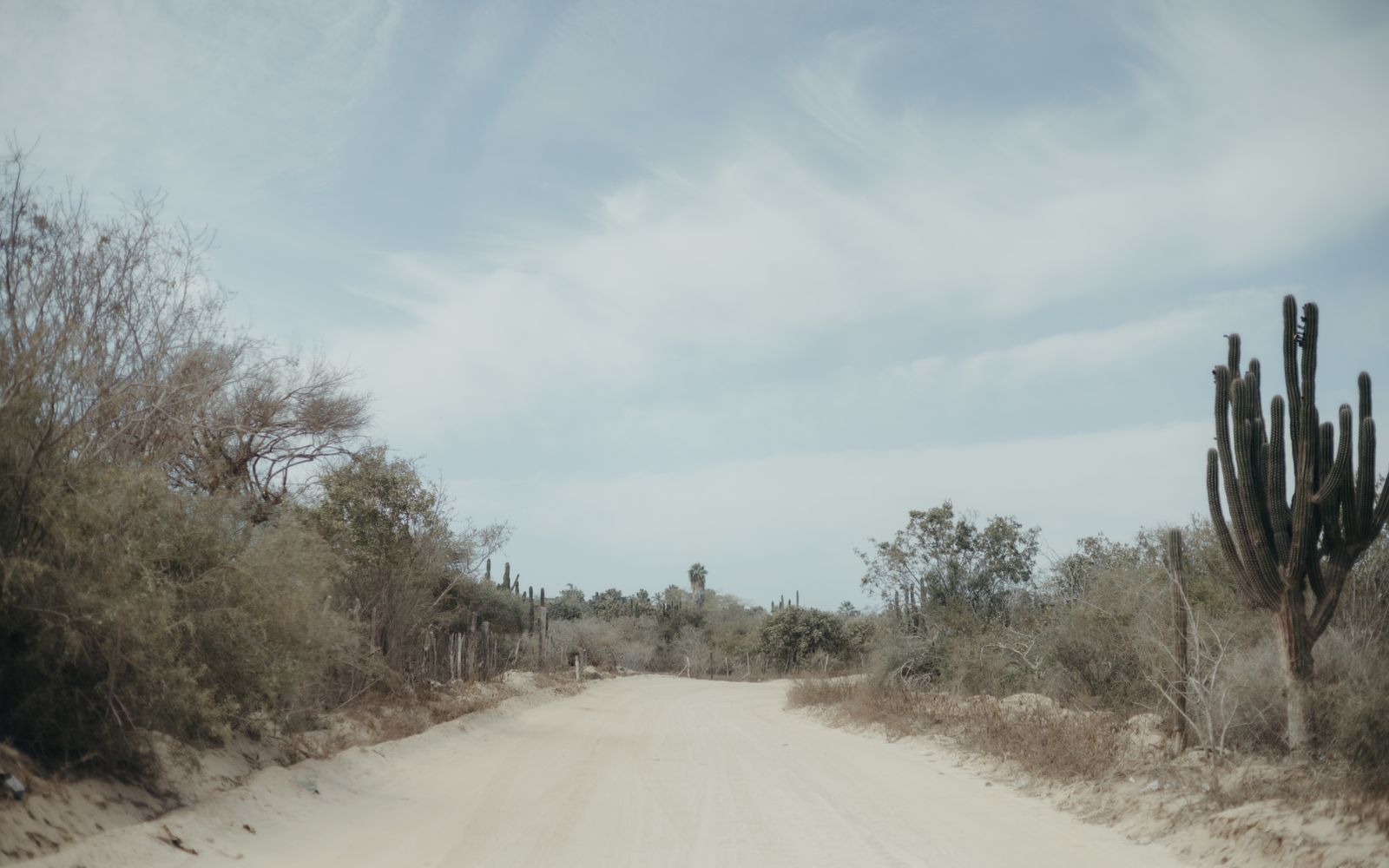
East Cape and Cabo Pulmo snorkeling (about 1.5 to 2 hours northeast of San José del Cabo). Cabo Pulmo National Marine Park protects the oldest coral reef in the Sea of Cortez and one of the healthiest marine ecosystems in the Eastern Pacific. Since the area was declared a protected zone in 1995, the biomass in the park has increased dramatically, and bull sharks, massive schools of jack, rays, and sea turtles are routine sightings. The East Cape and Cabo Pulmo area is accessed via a partially unpaved road from San José del Cabo, and the road condition varies by season, so a high-clearance rental vehicle is useful. The small dive and snorkel operations in Cabo Pulmo village rent gear and run guided boat trips; prices typically run $60 to $120 per person depending on whether you are snorkeling or diving. This is not a trip for people who want resort-level infrastructure: Cabo Pulmo village has a handful of small guesthouses and basic seafood restaurants, and that is part of the appeal.
Whale shark swims near La Paz (seasonal: November through April). The waters between La Paz and Isla Espíritu Santo host one of the largest seasonal aggregations of whale sharks in the Pacific. These are filter feeders with no teeth and no interest in humans, and swimming alongside one, a creature that can reach 30 to 40 feet in length, is a scale-check unlike anything else in Baja. The season runs roughly November through April, with January and February seeing the highest concentrations. Tours depart from La Paz (about 2 to 2.5 hours from Cabo San Lucas) and typically run 3 to 5 hours on the water. Prices range from approximately $80 to $130 per person for the boat trip and snorkel gear; combined La Paz day tours that include Balandra and the whale shark swim run $100 to $180 per person from Cabo. Book in advance in peak season because capacity is limited by regulation. Check our where to stay by area guide if you want to make La Paz an overnight instead of a day trip.
Sea lion colony at Los Islotes (accessible from La Paz, same route). Just north of Isla Espíritu Santo in the Sea of Cortez, a small rocky outcrop called Los Islotes hosts a permanent colony of California sea lions. Local tour operators out of La Paz run snorkel trips that stop here, and the sea lions are unusually interactive in the water: juveniles in particular will approach snorkelers, mimic movements, and generally perform. Most whale shark tours include a Los Islotes stop, making it easy to combine both in one day on the water. If you want to specifically target sea lion interaction, note that the juveniles are most playful earlier in the day before the tourist boats pile in.
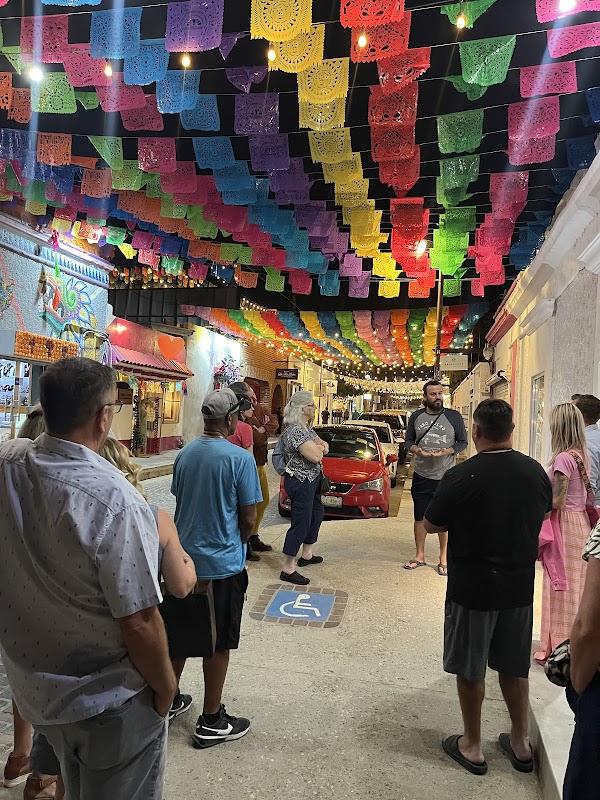
San José del Cabo Art District (30 to 45 minutes from Cabo San Lucas, easy add-on). This is the shortest trip on the list and worth including because it is consistently underrated by first-time visitors who spend their whole trip on the Cabo San Lucas side. The historic plaza and surrounding streets of San José del Cabo have genuine colonial architecture, a weekly Thursday Art Walk from October through June where gallery owners open their doors for free, and some of the best sit-down restaurants in the Los Cabos corridor. The Art District covers a walkable six- or eight-block grid. Pair it with lunch, browse the galleries, and return to Cabo in the early evening. No booking required, no gear needed, and the food options alone make it worth the drive. See the Restaurants directory for specific places to eat in San José.
Quick comparison
Here is the at-a-glance version for planning purposes. Todos Santos: 1 hour northwest, Pacific art town with surf beach, best November through April, no booking required for a walk-around day. La Paz and Balandra: 2 to 2.5 hours north, shallow turquoise lagoon and malecón town, best November through April, arrive early or book a permitted tour. Cabo Pulmo: 1.5 to 2 hours northeast of San José, protected coral reef, best conditions October through May, book local snorkel or dive operators in advance. Whale shark swims: same La Paz route, seasonal November through April only, tours fill up in January and February so book at least a week ahead in peak season. Los Islotes sea lions: bundled with the La Paz whale shark or Espíritu Santo day trips, same booking applies. San José Art District: 30 to 45 minutes from Cabo San Lucas, historic plaza and gallery walk, operates year-round, best Thursday evenings October through June for the Art Walk.
If you are planning a group trip or have specific interests, the right trip depends heavily on timing. A January or February visit puts whale shark season at its peak and makes the La Paz run the obvious choice, ideally combining Balandra and Los Islotes in a single day. If surf or art is the draw, Todos Santos is the quickest and most flexible option, no permits or tour bookings required. Families with kids who want clear water and good snorkeling without a long drive should consider Santa Maria Beach in the Corridor before venturing all the way to Cabo Pulmo, but if you have two or more hours to spare for driving, Cabo Pulmo will not disappoint.
Whatever you pick, go early. The best day trips in Baja get crowded as the morning wears on, the desert heat builds after noon, and the best light for photography is in the first few hours after sunrise. A 7 a.m. departure gets you first crack at Balandra before the tour buses arrive, and it means you are back at your resort by late afternoon rather than after dark. If you need ideas for how to structure the full trip around a day of adventuring, the best bachelorette spots page and the best all-inclusive resorts guide both address base camp logistics for each area.
Frequently asked questions
Do I need a rental car for day trips from Cabo?
A rental car gives you the most flexibility, especially for Todos Santos, Cabo Pulmo, and driving into La Paz on your own schedule. That said, organized tours departing from Cabo San Lucas or the Corridor serve all of these destinations. For whale shark swims and Balandra, a tour is often easier because operators handle parking, permits, and gear. For Todos Santos, driving yourself is simple and lets you stop along the Pacific coast road whenever you want.
Is whale shark season guaranteed, or could I miss it?
The aggregation near La Paz is seasonal and tied to water temperature and plankton patterns, so there is always some variability. The peak concentration runs January through March most years, with November and April being shoulder months where sightings are likely but less certain. Reputable tour operators out of La Paz will tell you honestly whether conditions are good before you book; they do not run trips when whale sharks are not present. If your visit falls in May through October, this particular experience is not available.
How long does the drive to Cabo Pulmo take, and is it safe?
From San José del Cabo, Cabo Pulmo is roughly 1.5 to 2 hours depending on road conditions. The first portion is paved federal highway heading north from San José, then east. The final stretch into the village involves an unpaved road that varies by season. A standard rental sedan can usually handle it in dry conditions, but a truck or SUV is more comfortable. The road is not dangerous, just slow and unpaved; drive with patience and you will be fine.
Can I visit Balandra Beach without a tour?
Yes, you can drive yourself. Balandra is about 25 kilometers north of La Paz, and the turnoff is well marked. There is a visitor center that collects a small conservation fee (typically the equivalent of $5 to $10 USD in pesos). In high season from December through March, parking fills up early and the beach can reach its daily capacity by mid-morning. Going independently gives you the most flexibility, but getting there before 9 a.m. is important if you want a good spot.
Which day trip is best for families with young children?
Todos Santos is the most family-friendly: short drive, a town that is easy to walk around, and Cerritos Beach with a calm swimming section and a beach club. For families interested in marine life, La Paz and Balandra is excellent because Balandra's shallow, flat lagoon is ideal for kids who cannot yet swim strongly in open water. Whale shark swims require kids to be comfortable snorkeling in open ocean water; most operators set a minimum age of 6 to 8, so confirm before booking.