Why visit
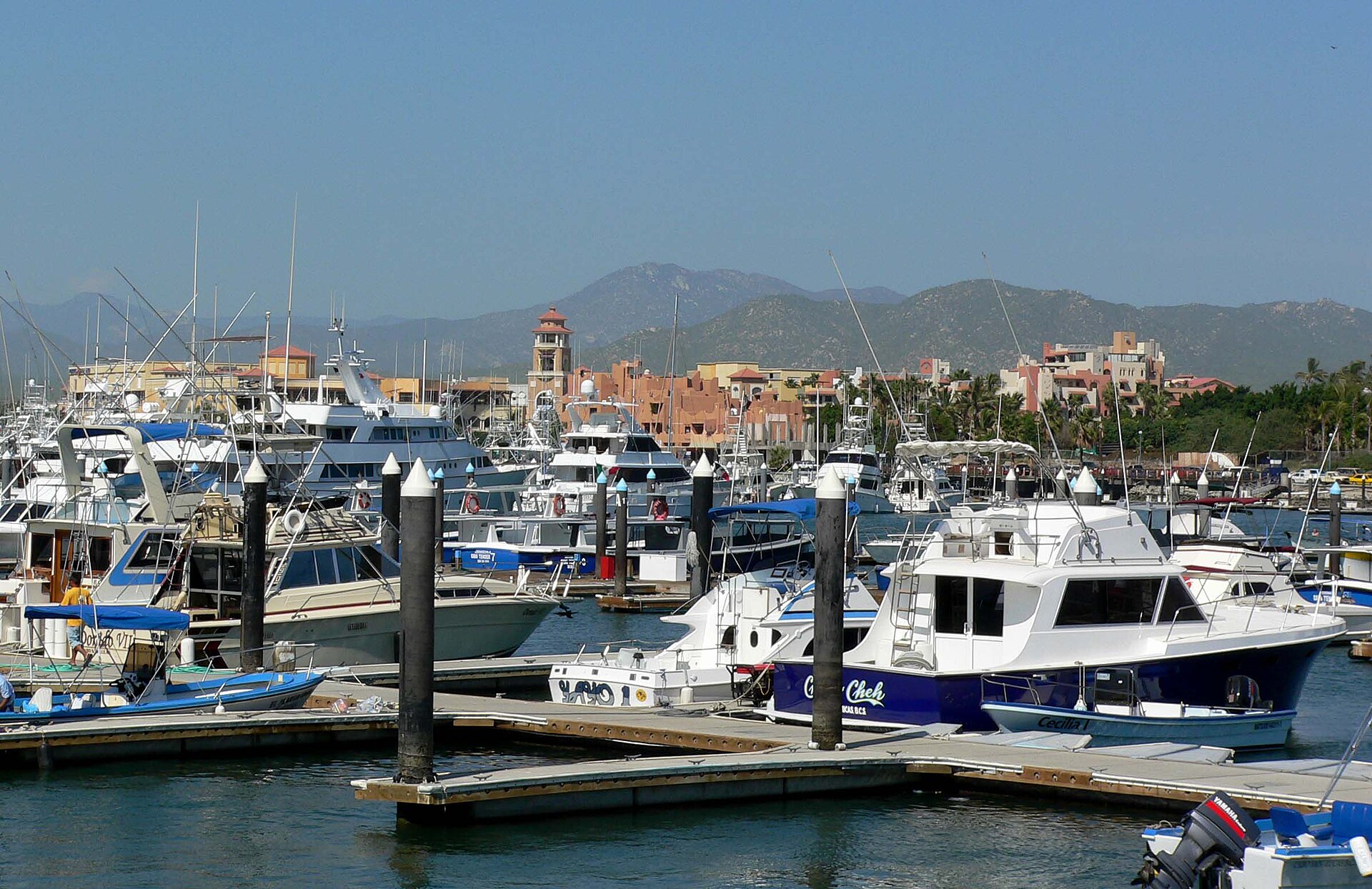
Cabo San Lucas earns its reputation as one of Mexico's top resort destinations by delivering on nearly every front. You have a walkable marina lined with restaurants, dive shops, and tour operators; one of the most iconic natural landmarks in Baja in El Arco; and a beach scene that ranges from the calm, swim-friendly waters of Médano Beach to the dramatic Pacific-facing cliffs at Land's End. Most visitors fly into Los Cabos International Airport (SJD) and clear customs in under an hour, and the drive from the airport to Cabo San Lucas is 45–50 minutes.
The town works well for groups of nearly every type. Sportfishing travelers book multi-day packages built around the offshore canyon systems just a few miles out. Couples come for sunset cruises through the Sea of Cortez and long dinners on the marina. Families settle into all-inclusive resorts anchored along the beach corridor north of the marina. The energy is higher here than anywhere else in the region, which suits some travelers perfectly and leads others to base in the quieter San José del Cabo or Corridor resorts and day-trip in.
Best beaches
Médano Beach is the one you swim at in town. It runs about a mile along the inner bay, and its calm, protected waters are why you see jet skis, parasailers, and paddleboarders out on it all morning. Beach clubs set up on the sand rent loungers and umbrellas, and you can walk from the marina end to the far residential edge in 20–25 minutes. Know this going in: Médano is the only truly swimmable beach in Cabo San Lucas itself. The other town beaches either face the Pacific, where currents make swimming dangerous, or are accessible only by boat. See our full guide to best beaches in Los Cabos if you want to compare options across the region.
Lover's Beach and Divorce Beach at Land's End are the trip-within-a-trip that no first-timer should skip. You reach them by water taxi from the marina (around $15–20 USD round trip; taxis run continuously from the marina docks throughout the day). Lover's Beach sits on the Sea of Cortez side where the water is calm enough to snorkel around the rock formations. Divorce Beach is the Pacific-facing side of the same stretch of sand, separated by just a narrow strip of rock, and the surf there can be powerful enough to knock you off your feet. Swimming on the Divorce Beach side is not recommended. Bring water, snorkel gear, and sunscreen; there are no facilities on either beach.
Solmar Beach runs along the Pacific side of Land's End and is one of the more dramatic stretches of coastline in the whole region: wide, golden sand backed by hotel walls, with heavy shore break and strong currents that make it unsafe for swimming. It is ideal for a morning walk at low tide or for watching the sun drop into the Pacific. If your resort sits on Solmar, plan to use Médano for your beach days, which is a 10–15 minute walk or a short taxi ride.
Top things to do
Sportfishing is the one activity that defines Cabo San Lucas on a global level. The Bisbee's Black and Blue Tournament, held each October and November, draws big-game boats from across North America. Outside tournament season, full-day private charters targeting marlin, dorado, tuna, and wahoo typically run $600–1,200 USD; light-tackle inshore trips go for $200–400 USD. Book through operators registered at the marina, where you can compare boats in person.
Sunset and dinner cruises depart most evenings and pass by El Arco at golden hour. Open-bar catamaran cruises run around $60–90 USD per person. Whale watching tours operate from mid-December through mid-April, when gray whales and humpbacks move through the waters offshore. Many operators combine whale watching with a stop at the sea lion colony near El Arco.
Water sports off Médano Beach are easy to arrange on the spot. Vendors rent jet skis, offer parasailing (around $60–80 USD), and run paddleboard and kayak rentals by the hour. The marina boardwalk is worth an evening walk: restaurants, bars, and tour operators line the waterfront, and the nightlife scene runs until late on weekends.
For day trips, the region's two standout options from Cabo San Lucas are East Cape and Cabo Pulmo (about 90–120 minutes north, for world-class coral reef diving and snorkeling) and Cerritos Beach near Todos Santos (about 60 minutes north on the Pacific side) for a mellower beach day with surf.
Where to stay
Accommodations in Cabo San Lucas split into two categories: marina-area hotels that put you in walking distance of the nightlife and restaurants, and beachfront resorts that sit along the Médano Beach corridor north of the marina. Prices reflect the level of development, with beachfront all-inclusives running $400–900+ USD per night during peak season (November through April) and boutique marina-side hotels ranging from $150–400 USD per night. Shoulder and summer rates can drop 30–40 percent.
The all-inclusive format is popular in Cabo San Lucas because it covers meals, drinks, and sometimes activities in a single daily rate, which simplifies budgeting for groups and families. Non-all-inclusive (European plan) resorts on Médano Beach give you more flexibility to eat out along the marina, which is worth it if dining out is a priority. Read our comparison of where to stay by area if you're weighing Cabo San Lucas against the Corridor or San José del Cabo.
Getting there and around
Los Cabos International Airport (SJD) is the entry point for all flights. It sits in San José del Cabo, about 45–50 minutes from Cabo San Lucas by road. One important logistics note: there is no reliable Uber pickup at SJD. App-based rideshare does not operate reliably from the airport, and attempting to use it often results in a long wait or a no-show. Book a prepaid shuttle or private transfer before you land. Shared shuttle vans run $20–30 USD per person; private SUV transfers run $80–120 USD for the vehicle. Your hotel concierge can also arrange pickup if you book in advance.
Once you're in Cabo San Lucas, the marina area and Médano Beach are walkable. For trips to the Corridor, San José del Cabo, or beyond, taxis and rental cars are the practical options. Taxis in Cabo San Lucas are unmetered; agree on the fare before you get in. Rental cars are useful if you plan to explore the East Cape, Todos Santos, or La Paz, but most visitors who stick to Cabo San Lucas and the Corridor manage fine without one. See our full where to stay by area guide for more transportation context by zone.
Best time to visit
November through April is peak season in Cabo San Lucas. Days are sunny and dry, with temperatures in the 75–85°F range, low humidity, and almost no rain. This is also when gray whales and humpback whales are actively in the waters around the Baja Peninsula, with the season running from mid-December through mid-April. The Bisbee's sportfishing tournaments in October and November draw large crowds and the best offshore fishing of the year. Hotel rates and airfare are highest from Christmas through early January and again during spring break (mid-March to mid-April).
May and June offer warm, dry weather at lower prices before the summer humidity sets in. July through October is the hot and humid season, with the Pacific hurricane season peaking August through October. Direct storm impacts are relatively rare, but the region can see rain, clouds, and occasional tropical systems during this window. Water temperatures are at their warmest during late summer and fall, in the low 80s°F, which makes it the best time for snorkeling and diving if the weather cooperates. For a month-by-month breakdown of what to expect in Los Cabos, see our whale watching guide for seasonal marine wildlife context.
If cost is a factor, September and early October offer the lowest hotel rates, though you're accepting some weather risk. January through March is the sweet spot for first-time visitors who want reliable sunshine, good fishing, active whale season, and the full resort experience without the peak Christmas/New Year's premium.
Frequently asked questions
Is Médano Beach the only swimmable beach in Cabo San Lucas?
Yes, for practical purposes. Médano Beach is the main town beach with calm, swimmable water, and it's where all the beach clubs and water sports rentals are set up. The other beaches right in town are not safe for swimming: Solmar Beach has strong Pacific currents and heavy shore break, and Lover's Beach at Land's End is only calm on the Sea of Cortez side. If you want swimmable beaches beyond Médano, you'll need to go up the Corridor to Chileno Bay or Santa Maria, which are about 20–30 minutes by road. Our full guide to best beaches in Los Cabos covers all your options.
Do I need to book a taxi from SJD airport in advance?
Book a shuttle or private transfer before you arrive. There is no reliable Uber at SJD. Prepaid shared shuttle vans run around $20–30 USD per person for the 45–50 minute drive to Cabo San Lucas; private SUV transfers run $80–120 USD for the vehicle. Airport taxis are available at the curb but cost significantly more than prepaid options.
When is the best time to go whale watching in Cabo San Lucas?
The core whale watching season runs from mid-December through mid-April. Gray whales migrate from Alaska to the protected lagoons in Baja California, and humpback whales are also active in the waters around Los Cabos during this same window. January, February, and March are the most reliable months for sightings, with multiple whale species often visible on a single trip. Most boat tours depart from the Cabo San Lucas marina in the morning and combine whale watching with a stop at the sea lion colony near El Arco. Tour prices generally run $60–90 USD per person for a group tour. See our full whale watching guide for more detail on what to expect by month.
How far is Cabo San Lucas from the airport?
Los Cabos International Airport (SJD) sits in San José del Cabo, about 45–50 minutes from Cabo San Lucas by road. The drive follows Highway 1 through the Corridor. Plan extra time during holiday periods when traffic near the resort zone can slow things down. Pre-booked transfers are the most reliable way to make the connection.