Overview
The region has two distinct underwater environments. The Sea of Cortez side, running along the Tourist Corridor and curving northeast toward the East Cape, is warmer, calmer, and home to the rocky reefs and coral heads that shelter most of what you will see as a snorkeler or recreational diver. The Pacific side is colder and more powerful, generally left to experienced divers chasing pelagic species in deeper water.
That split shapes your planning. Beginners and families do well at the protected Corridor coves or on a guided tour to Land's End. Certified divers can target offshore seamounts. Anyone with a serious bucket list and a free day should make the drive north to Cabo Pulmo National Marine Park, one of the most significant marine protected areas in the eastern Pacific.
Best dive and snorkel sites
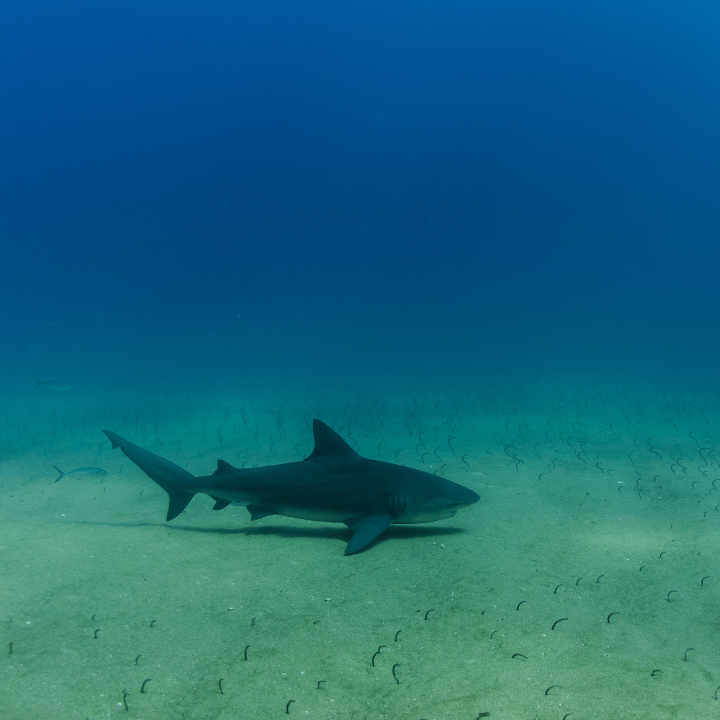
Cabo Pulmo National Marine Park is the standout site in the region and, by most measures, the best dive in Baja. The reef here is the oldest coral reef in the Sea of Cortez. It was so badly depleted by the 1990s that local fishing families voluntarily stopped working it, and the recovery since then has been remarkable enough that scientists still study it. Dense schools of jacks, cruising bull sharks during certain months, and intact coral formations are all on the table. Because Cabo Pulmo is a protected national park, you must go with a licensed operator. No fishing is permitted anywhere inside the park boundaries. The drive from Cabo San Lucas takes 1.5 to 2 hours on a dirt road that requires a high-clearance vehicle or a guided van.
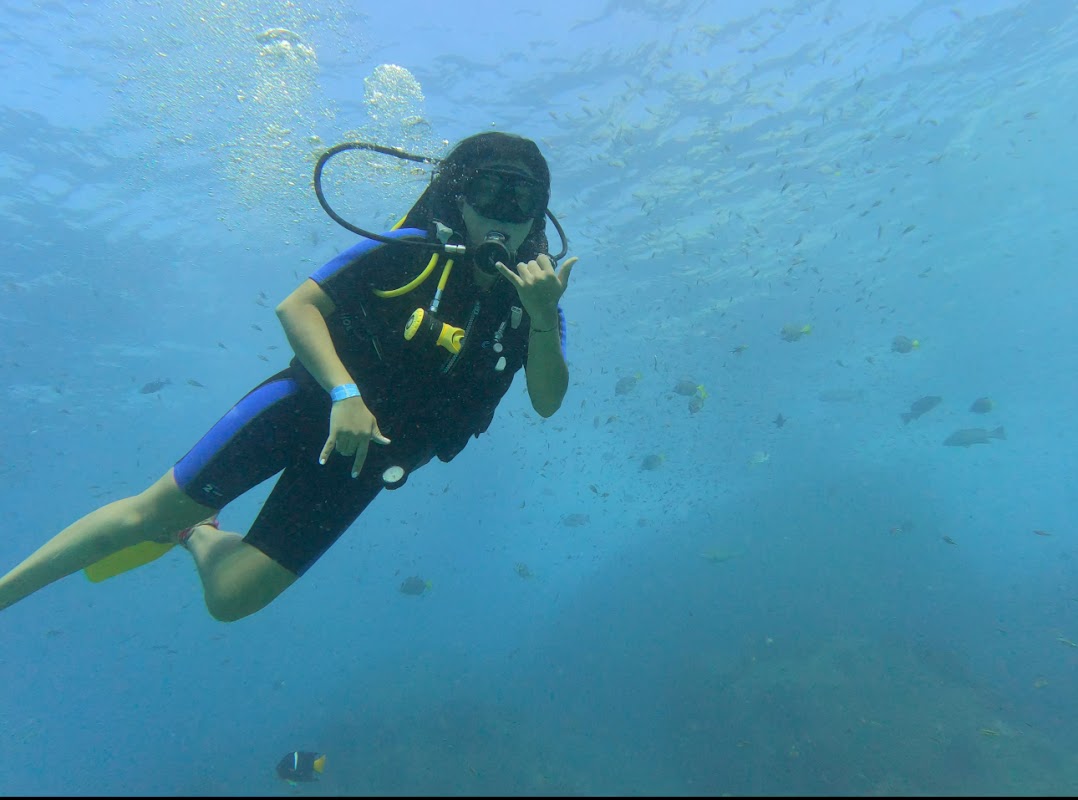
Chileno Beach is the most accessible shore-snorkel in the Corridor. A federal marine reserve protects the rocky point at the north end of the cove, where you can drift over parrotfish, pufferfish, sea urchins, and the occasional green sea turtle with no boat and no guide. Entry is free. Parking fills by mid-morning on weekends, so arrive early. The beach has limited services, so bring your own gear to avoid paying rental rates.
Santa Maria Beach sits in a deeper half-moon cove about three kilometers east of Chileno and offers better coral variety for snorkeling, with rock formations that shelter larger reef fish. The water in the inner bay reaches 30 to 40 feet in places, making it a workable easy-dive site as well. Santa Maria has no permanent facilities at all. No bathrooms, no food, no rentals. Bring drinking water, shade, and everything you need before you leave town.
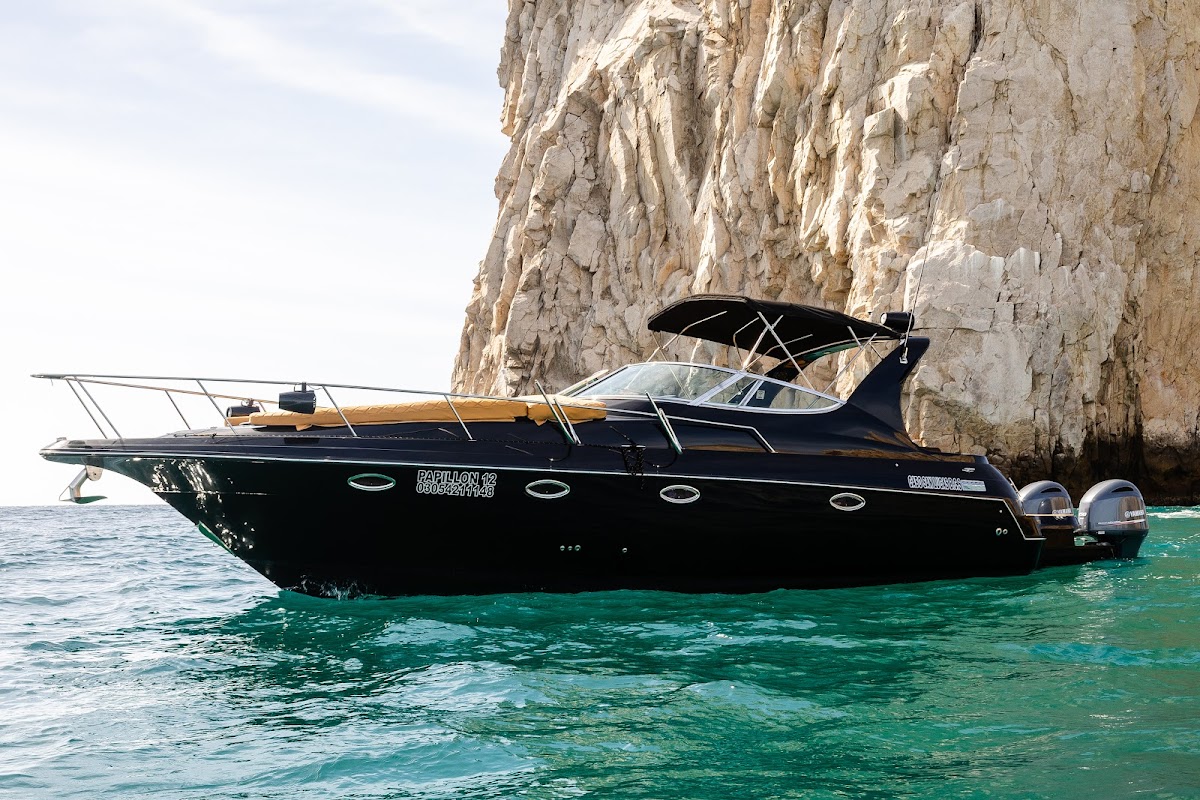
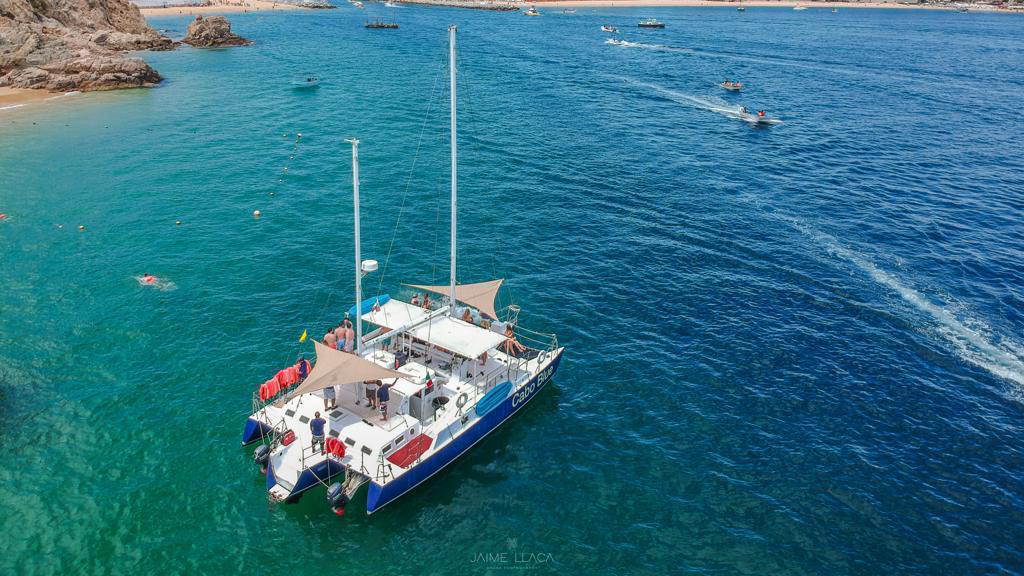
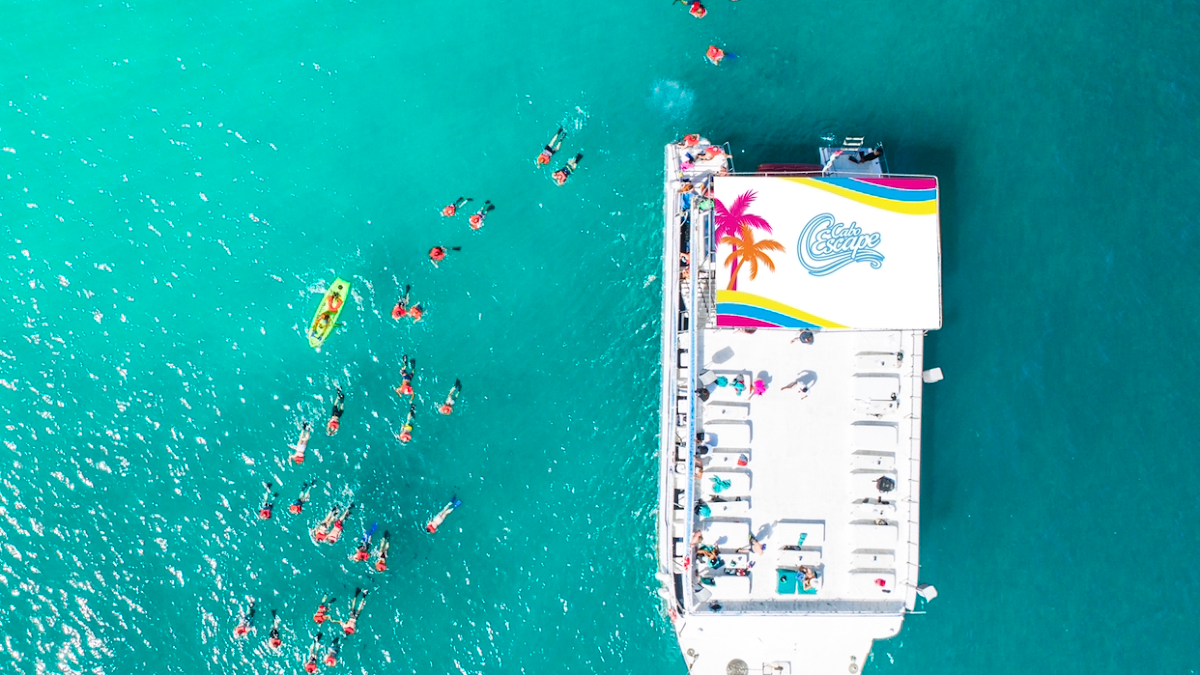
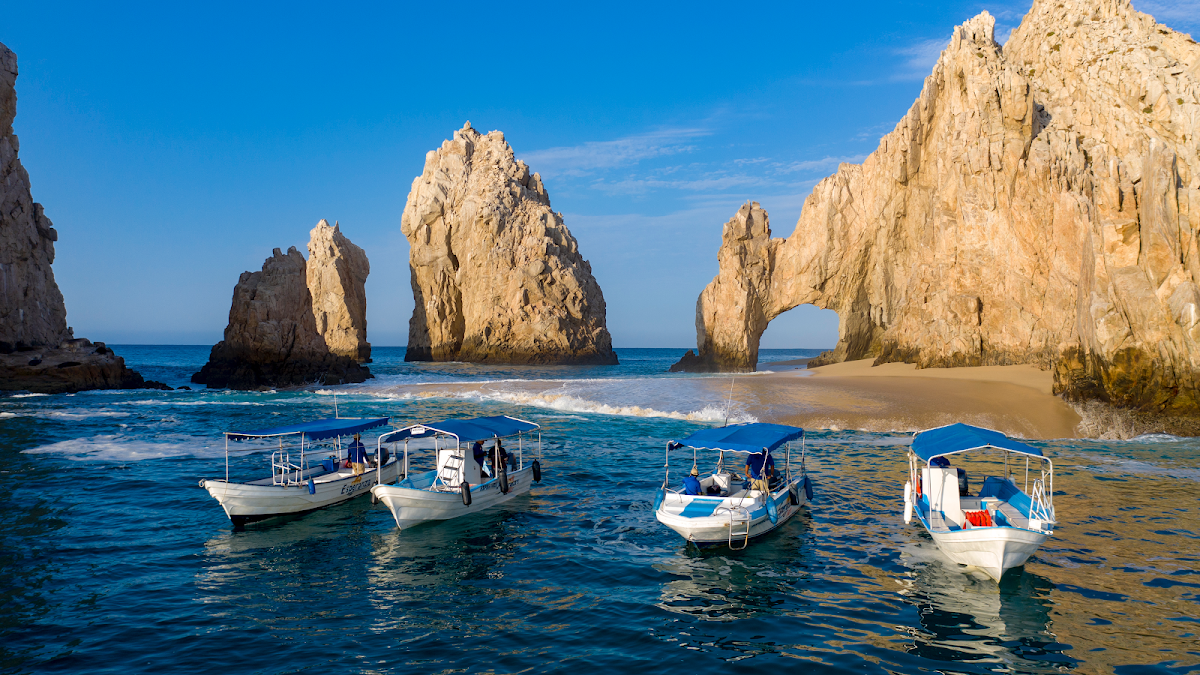
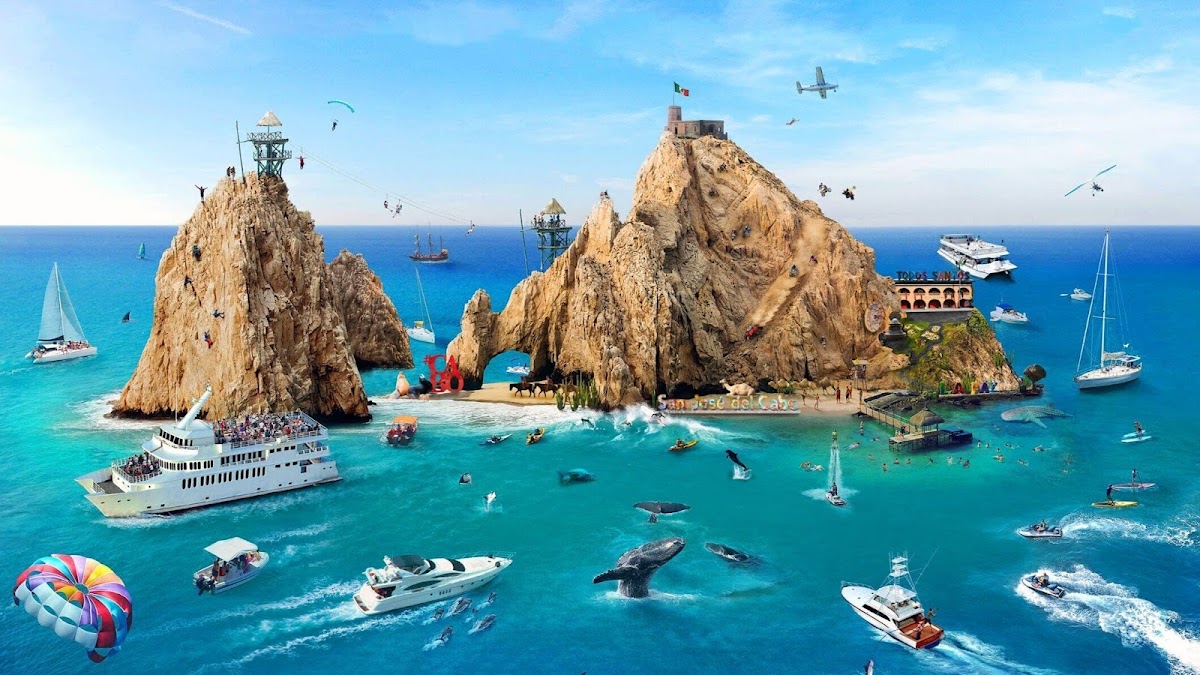
Land's End and Pelican Rock anchor the snorkel-tour business out of the Cabo San Lucas marina. The sea lion colony near the arch is a genuine draw, and the rocky formations around Pelican Rock drop to about 30 feet and hold a solid variety of tropical species. Most tours from the marina include a Land's End stop as part of a two- or three-site trip.
Gordo Banks is a pair of offshore seamounts about 13 kilometers southeast of San José del Cabo, reachable only by boat. The seamounts top out around 100 feet, putting them firmly in advanced-diver territory. Hammerhead sharks cruise here most commonly June through November. Silky sharks, whale sharks during warm-water months, and large manta rays are also part of the mix. Currents can be strong enough that some days the site simply does not run. Book with an operator who checks conditions that morning and has a clear cancellation policy.
Best season and conditions
August through November is the sweet spot. Water temps reach the low 80s Fahrenheit, plankton blooms thin out, and visibility at sites like Chileno and Santa Maria often exceeds 60 feet. Gordo Banks is most active for larger pelagics during this window. Note that August through October overlaps with Pacific hurricane season, which can push swells that temporarily close exposed sites.
December through March brings cooler water in the low-to-mid 60s Fahrenheit. Fish diversity at shallow reefs narrows, but both Corridor coves stay workable on calm days. A 3mm to 5mm wetsuit is worth renting or packing for winter visits. Cabo Pulmo is worth visiting year-round; its fish biomass is less dependent on water temperature than plankton-sensitive sites, and the bull shark aggregation there peaks roughly November through March.
Typical prices
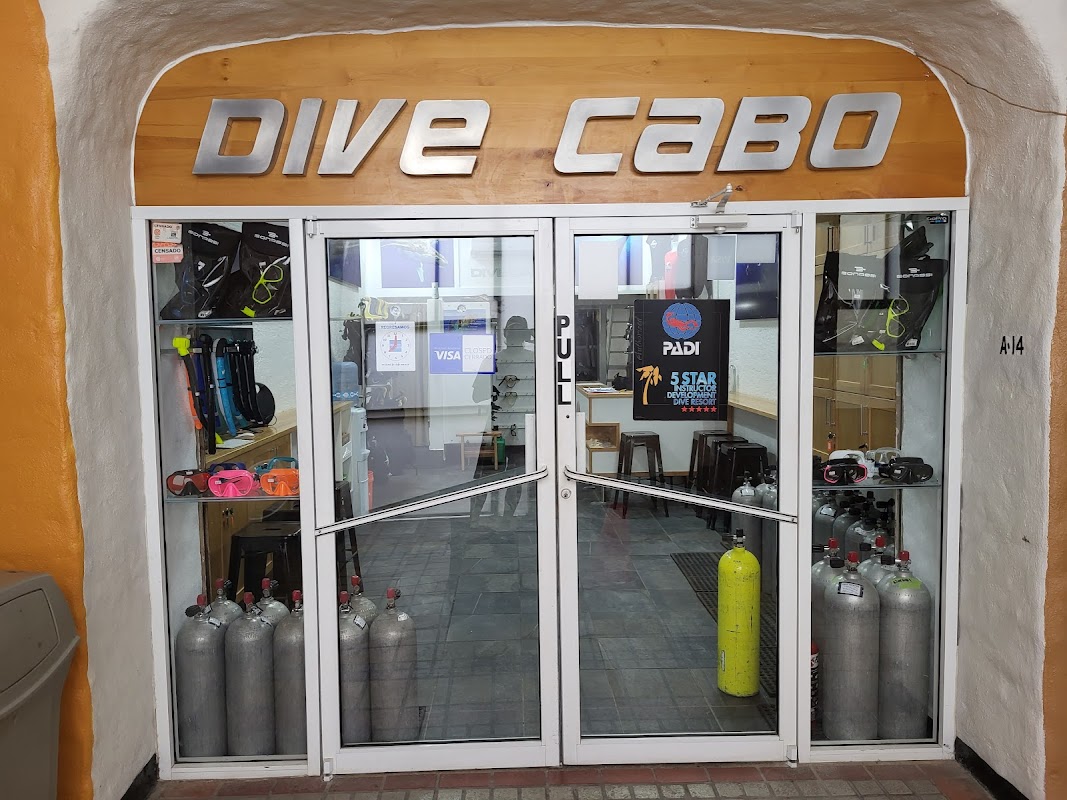
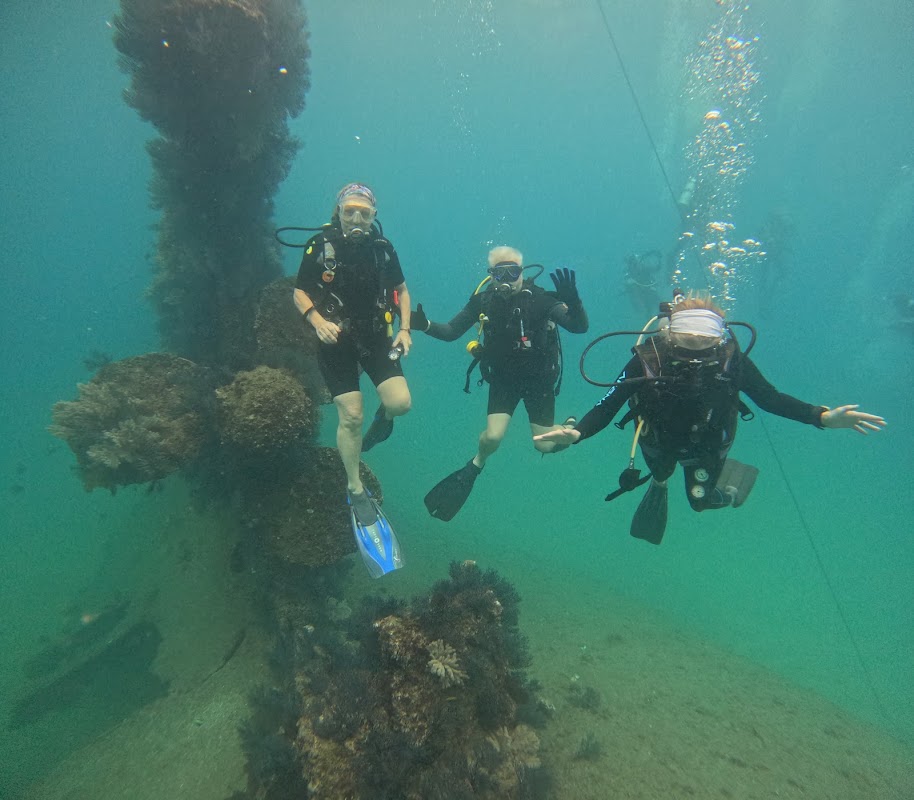
Guided snorkel tours from the Cabo San Lucas marina typically run $60 to $100 USD per person for a two- to three-hour trip covering Land's End and one or two additional sites. Basic gear (mask, fins, snorkel) is usually included. Two-tank scuba dive trips to local Corridor sites run roughly $120 to $180 USD per person, depending on the operator and whether gear rental is bundled.
Cabo Pulmo day trips from Cabo San Lucas are priced higher, often $180 to $250 USD or more per person for a guided dive package, reflecting the long transfer, park access fees, and required licensed guide. You can reduce that cost by driving yourself and booking directly with operators in Cabo Pulmo village, but you will still need to hire a permitted guide once you arrive. Gear rental for the shore coves is limited. For Chileno and Santa Maria, arrange a rental from a dive shop in Cabo San Lucas or San José del Cabo the day before. Most shops rent a full snorkel set for $15 to $25 USD per day.
How to book
For snorkel tours and local dives, book directly with one of the tour operators based out of the Cabo San Lucas marina or the Corridor resort belt. Read cancellation policies before paying in full, particularly for Gordo Banks or Cabo Pulmo trips where weather is a genuine variable.
For Cabo Pulmo, book in advance. The village is small, the licensed operator pool is limited, and park capacity is managed. The park does not allow self-guided diving. Every in-water activity requires a guide who holds a valid permit to operate inside the marine reserve.
If you are traveling with non-divers and want everyone in the water together, a guided snorkel tour to Chileno Beach or Santa Maria works for most swimming abilities. Calm water, solid fish density, and no open-ocean exposure make these sites the right call for first-timers. See the adventure itinerary to fit a dive or snorkel day into a broader week of outdoor activities. Most operators run morning departures between 8 and 10 a.m. Book a morning slot when you can. Afternoon visibility often drops as wind picks up and sediment stirs.
Frequently asked questions
Do I need to be a certified diver to scuba dive in Los Cabos?
Yes, for open-water scuba diving. Most operators accept any internationally recognized certification card (PADI, SSI, NAUI). If you are not yet certified, some shops in Cabo San Lucas offer discover scuba experiences in shallow, confined water that do not require prior training. Snorkeling has no certification requirement.
Can I snorkel at Cabo Pulmo without a dive certification?
Yes. Many licensed operators run snorkel-only tours to the park. You still need to go with a permitted guide because self-guided entry into the marine reserve is not allowed. The snorkeling is genuinely rewarding in shallow water near the reef edges, where fish density is high even without going deep.
Is there anything to see at Chileno or Santa Maria in winter?
Yes. Resident species like parrotfish, pufferfish, sergeant majors, and sea urchins are present year-round. Water temperatures in December through February drop to the low-to-mid 60s Fahrenheit, so a wetsuit helps significantly. Visibility can be lower than summer due to plankton blooms, but both coves are worth visiting on calm days. Bring your own gear since on-site rentals are not reliably available.
What marine life can I realistically expect to see?
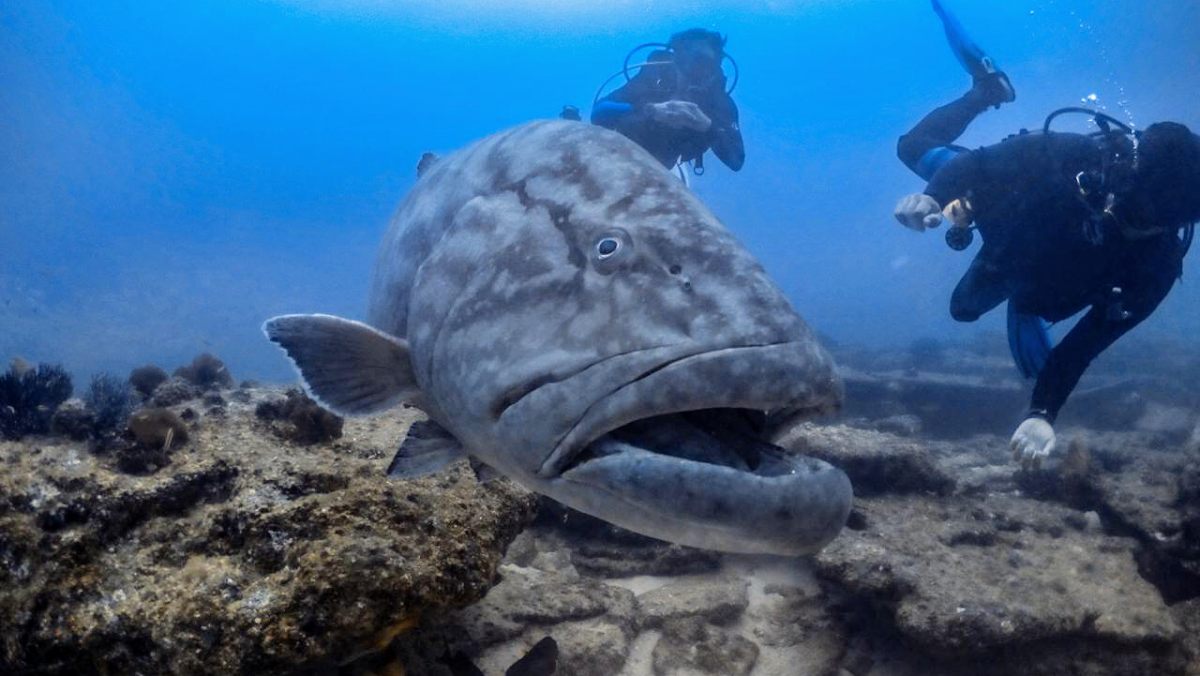
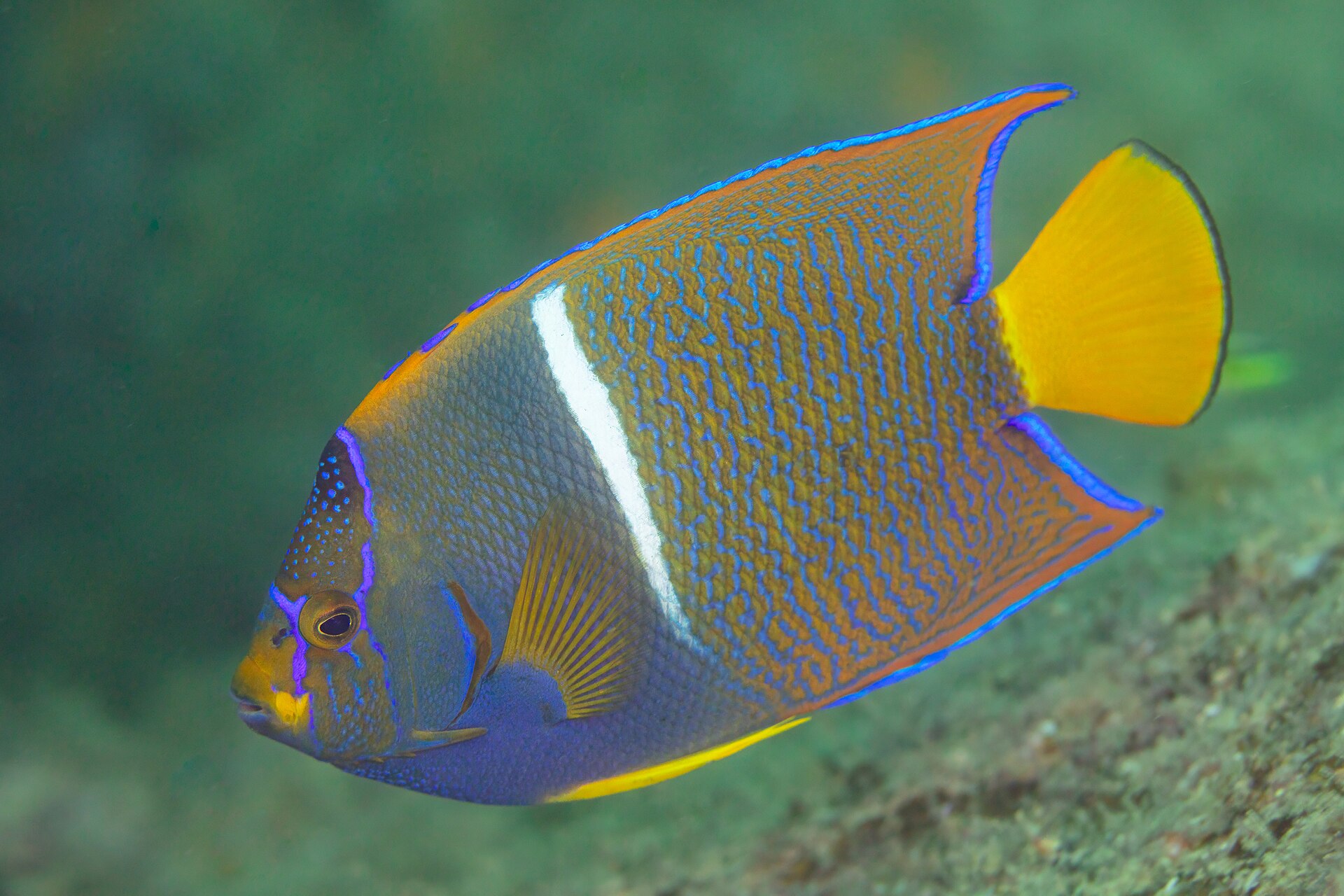
At the Corridor snorkel coves, expect reef fish (parrotfish, wrasses, surgeonfish), sea urchins, the occasional moray eel, and a solid chance of spotting a green sea turtle. At Land's End, sea lions are almost always present near the rocks. At Gordo Banks in season, hammerhead sharks, silky sharks, and giant manta rays are the main draw. Cabo Pulmo adds dense fish schools, bull sharks in winter, and coral formations you will not find elsewhere in the region.
Is it safe to snorkel at Santa Maria Beach without a guide?
Generally yes, for a competent swimmer when conditions are calm. Santa Maria's protected cove has no significant nearshore currents and is manageable for independent snorkeling most days. The beach has no lifeguard and no facilities, so you are responsible for your own safety and hydration. Check for swells before you go in. Pacific storms occasionally push into the Corridor and make the cove rougher than expected. If the water looks choppy at the entrance, wait or head to Chileno instead.