Is it swimmable?
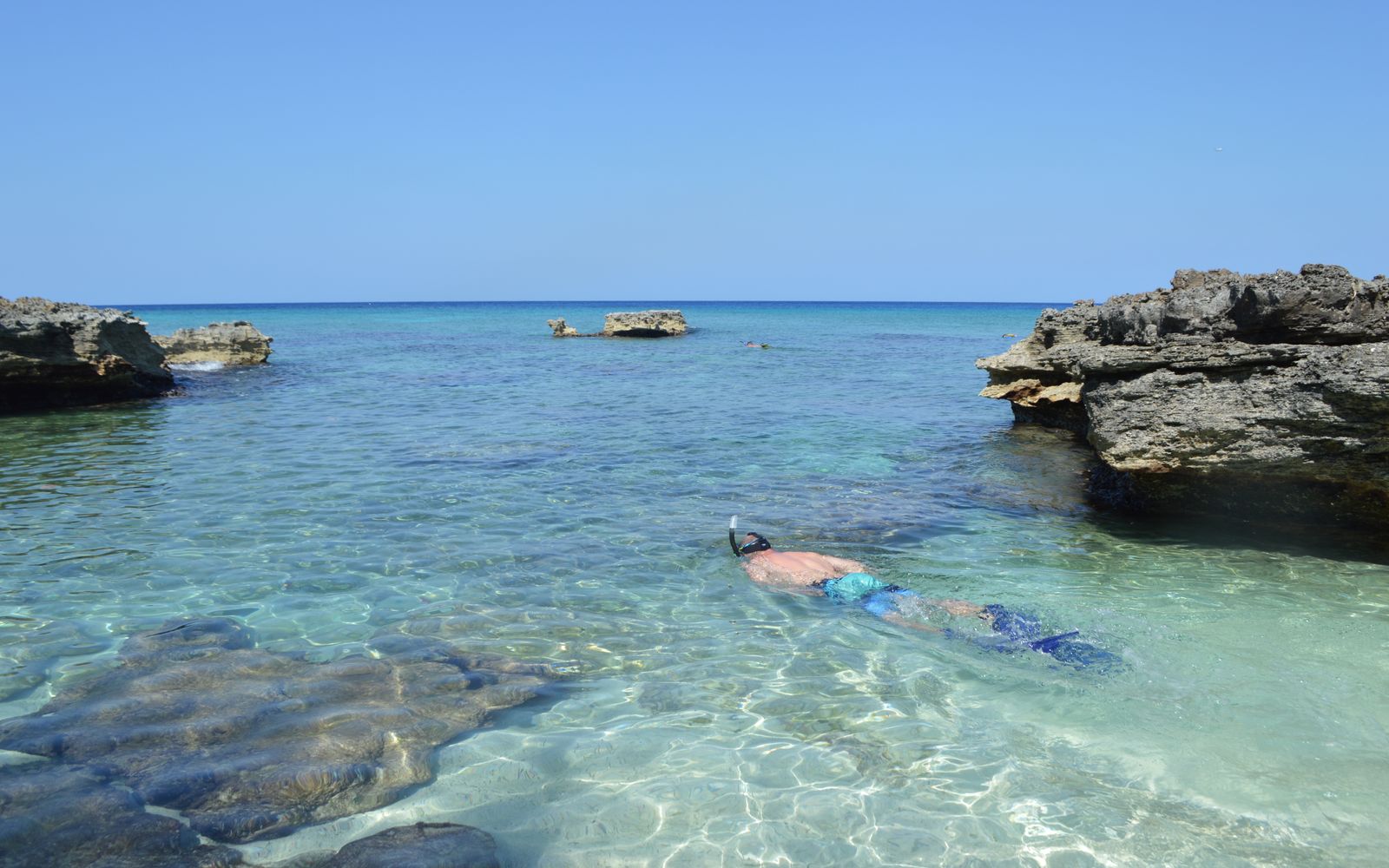
Yes, and consistently so. Chileno sits inside a protected cove that shields it from the open-ocean swells that make so many of Los Cabos' Pacific-facing beaches off-limits for swimming. The water here is on the Sea of Cortez side of the peninsula, which means calmer conditions, warmer temperatures, and dramatically better visibility than you'd find on the Pacific side. The bottom slopes gently from the shoreline, making entry straightforward for swimmers of most skill levels, including children comfortable in open water.
The Blue Flag designation is not honorary. It requires ongoing monitoring of water quality, environmental management, safety infrastructure, and staff training. Chileno has maintained it for years, which puts it in a small category of certified beaches in the region. You'll find lifeguards on duty during peak season, and the flag system at the beach entrance tells you daily conditions at a glance. Green means go; yellow means use caution; red means stay out. On most days November through May, you'll see green.
Water temperature at Chileno runs in the mid-70s Fahrenheit during winter peak season, warming to the low 80s by late summer. If you're visiting outside of peak season and the water feels warmer than expected, that's normal: the Sea of Cortez retains heat through October, which also makes snorkeling in summer comfortable despite the heat on land.
What to expect
Chileno is a public beach, free to access, with a crescent-shaped shoreline of about 400 meters backed by shaded palapas. The palapas fill up early on weekends and during December through March peak season, so arriving before 10 a.m. gives you the best shot at a shaded spot without a beach club fee attached. The sand is coarse-grained and golden, typical of the Corridor coves, and the water clears quickly past the surf line.
The snorkeling here is the main draw beyond the swimming. The rocky outcroppings at both ends of the cove support reef fish populations you can reach from the shore: parrotfish, sergeant majors, pufferfish, and the occasional sea turtle. You don't need a boat or a guide to access the reef at Chileno; swim parallel to the shore toward either rocky headland and you'll be over living reef within a few minutes. For a deeper look at what the underwater terrain offers, see the Scuba Diving and Snorkeling guide for operator listings and gear rental options.
The beach has restroom facilities and a small concession area on-site. You can rent snorkel gear directly at the beach for roughly $10 to $20 per set depending on the vendor and season. Kayak and paddleboard rentals are also usually available for $20 to $40 per hour. There are no major resort structures directly on Chileno's shoreline, which keeps the atmosphere relaxed compared to the resort-beach clubs a few miles away. The Hilton Los Cabos sits adjacent to the beach's northern edge and its guests have direct access, but the public beach itself is open and free.
Nearby, Santa Maria Beach sits about two miles north and is worth combining into the same day trip if you want to compare the two signature Corridor snorkeling coves. Santa Maria is a horseshoe cove with no facilities and a marine sanctuary designation, which means the fish are plentiful and the crowds are typically lighter. And if you want to explore tide pools and smaller rocky coves on the same stretch, Las Viudas (Widow's Beach) is just past Santa Maria along the same coastal access road.
Getting there and parking
Chileno Beach sits at kilometer marker 14 on Highway 1, the four-lane road that runs the length of the Tourist Corridor between Cabo San Lucas and San José del Cabo. The drive from Cabo San Lucas is roughly 20 to 25 minutes depending on traffic; from San José del Cabo it's about 15 minutes heading southwest. The beach access turnoff is marked with a small sign on the highway's ocean side.
Parking is free in a gravel lot at the beach entrance. The lot holds 50 to 70 vehicles and fills up fast on weekend mornings during peak season. If you arrive after 9 or 9:30 a.m. on a Saturday or Sunday between December and March, expect to park along the highway shoulder and walk in. Weekday mornings are considerably easier. The walk from the parking area to the beach is about 200 meters on a paved path.
There is no reliable Uber pickup from inside the corridor beach access areas, so plan on either having a rental car or arranging a private transfer that will wait for you. Rental cars are the most practical option for combining Chileno with Santa Maria or Las Viudas in a single beach-hopping day. Taxi service from Cabo San Lucas to Chileno runs roughly $25 to $40 one way, but agree on the return arrangement before you arrive or you'll be negotiating in the parking lot when you're ready to leave.
Best time to go
November through April covers the sweet spot for Chileno. The weather is dry, daytime temperatures land in the 75 to 85 degree Fahrenheit range, and the trade winds off the Sea of Cortez are calm enough that the water surface inside the cove stays flat. Snorkel visibility can exceed 40 feet on calm winter mornings. Whale watching season runs mid-December through mid-April, and humpbacks are sometimes spotted from the beach, though dedicated whale watching tours depart from the Marina Cabo San Lucas for a closer look.
December through February is peak crowd season. The beach fills by mid-morning on most days. If you want to snorkel without elbow-to-elbow company, plan for a Tuesday or Wednesday, arrive at 8 a.m., and you'll have the cove to yourself for the first hour. The palapas empty out somewhat by 3 p.m. when the afternoon onshore breeze picks up, so late-afternoon visits are another option.
May and June are uncrowded and still quite pleasant, with temperatures climbing into the low 90s on land but water conditions staying calm and clear. July through October brings humidity and heat on land, but the water is at its warmest, hovering in the low 80s Fahrenheit. Hurricane season peaks August through October, which can mean overcast days and brief storms, but most mornings remain clear enough for snorkeling. Crowds are minimal in summer, and if heat management is part of your plan, arriving at 7:30 a.m. and leaving by noon makes summer visits workable.
Good to know
Chileno is a no-alcohol beach, which is part of its Blue Flag maintenance requirements. You'll see the posted signs at the entrance. In practice, this is enforced lightly, but beer vendors from the highway are not operating on the beach itself, and you won't find the open-cooler beach bar atmosphere that you'd find at Médano or some of the resort beaches. The vibe is family-friendly and comparatively calm.
The sun at Chileno is intense from late morning through mid-afternoon, especially at elevation-equivalent angles in winter. Reef-safe sunscreen is strongly encouraged and in some cases required at Blue Flag beaches; the reef at Chileno is a live ecosystem and oxybenzone-containing sunscreens damage coral. Mineral-based SPF 50 is the right call here. Bring more than you think you need.
Snorkel gear you rent at the beach varies in quality. If you snorkel regularly or have strong opinions about mask fit, bringing your own gear from home is worth the bag space. Prescription masks are available through some dive operators in Cabo San Lucas if you need corrective lenses underwater. Most basic sets from the beach vendor include a mask, snorkel, and fins for the rental fee. The reef at Chileno is shallow enough that fins are optional for experienced swimmers but genuinely helpful for kids.
If you want a structured snorkeling trip rather than a self-guided shore session, several tour operators run catamaran excursions that stop at Chileno and Santa Maria together, typically running about 3 to 4 hours and costing $75 to $120 per person including gear and a light snack. These trips depart from the Marina Cabo San Lucas and are worth considering if you're not renting a car or if you'd rather have a guide point out marine life.
Frequently asked questions
Is Chileno Beach safe for kids?
Yes. The protected cove keeps wave action minimal, the bottom slopes gradually, and lifeguards are on duty during peak season. The Blue Flag certification requires maintained safety standards year-round. Kids who are comfortable in open water can snorkel the edges of the cove independently, and the shallow nearshore area works for younger children supervised by adults. Check the daily flag color at the entrance before swimming.
Do you have to pay to access Chileno Beach?
No. Chileno is a public beach and access is free. There is no entry fee and no fee to use the parking lot. Some vendors at the beach offer gear rentals and food for purchase, but you can bring your own food, water, and snorkel gear and spend the day without spending anything beyond what you bring from home.
What marine life can you see snorkeling at Chileno?
The rocky headlands on both sides of the cove support healthy reef fish populations. You're likely to see parrotfish, sergeant majors, triggerfish, needlefish, pufferfish, and angelfish on most visits. Sea turtles are spotted regularly, particularly in the morning hours. Manta rays and the occasional moray eel are less common but possible. The visibility averages 20 to 40 feet depending on conditions, with the clearest water in winter mornings before any wind picks up.
How does Chileno compare to Santa Maria Beach?
Both are top Corridor snorkeling coves, but they differ in a few meaningful ways. Chileno has restrooms, gear rentals, palapas, and concessions. Santa Maria has none of those things but carries a marine sanctuary designation that supports more abundant marine life. Chileno is better for families and anyone who wants facilities; Santa Maria is better for pure snorkeling quality and solitude. If you have a car and time, doing both in the same day is easy. They're about two miles apart.
Is Chileno Beach crowded?
During peak season from December through March, yes, on weekends and holidays. The palapa shading fills by late morning, and the cove can feel crowded from 10 a.m. to 2 p.m. on busy days. Arriving before 9 a.m. on any day, or planning a weekday visit, dramatically reduces the crowd factor. From May through November, the beach is quiet on most days regardless of timing.