The short answer
If you want to be in the center of the action, close to Médano Beach, the marina, and nightlife, stay in Cabo San Lucas. If you want a large resort on a swimmable cove with golf out the door and a bit of separation from the crowds, stay in the Tourist Corridor. If you want a quieter, more local-feeling base close to the airport with a walkable historic downtown, stay in San José del Cabo. Those three sentences cover about 90 percent of visitors.
The other 10 percent are headed somewhere more remote. Todos Santos, a Pueblo Mágico about an hour north of Cabo on the Pacific side, suits travelers who want a slower pace, art galleries, surf at Cerritos Beach, and boutique accommodations with no resort-crowd energy. The East Cape and Cabo Pulmo are for serious divers, kayakers, and off-grid seekers willing to trade amenities for one of the best marine environments in North America.
Cabo San Lucas: the marina, Médano, and nightlife
Cabo San Lucas is the louder, more developed end of the region. The marina sits at its center, surrounded by restaurants, bars, and sport fishing docks. Médano Beach, which runs east from Land's End, is the only truly swimmable beach in town and the social hub of the destination: beach clubs, water sports rentals, volleyball, and vendors running the length of the sand. You can walk from your hotel to El Arco and Lover's Beach water taxis, to dinner, to a bar, and back without ever needing a car.
Hotels here range from mid-range all-inclusives to full luxury properties. Nightly rates at mid-range hotels on or near Médano Beach run approximately $200 to $400 during peak season (November through April), with budget options starting around $100 to $150 farther from the waterfront. Luxury and boutique properties on the Pacific side or above the marina often start above $400.
This zone suits couples and groups who want to be within walking distance of the action, bachelor and bachelorette groups, first-time visitors who want to orient themselves quickly, and anyone who plans to spend significant time at beach clubs, bars, and the marina. Families with young children do fine here if they focus on Médano Beach, though the overall vibe skews toward adult energy.
The Tourist Corridor: luxury resorts, championship golf, and swimmable coves
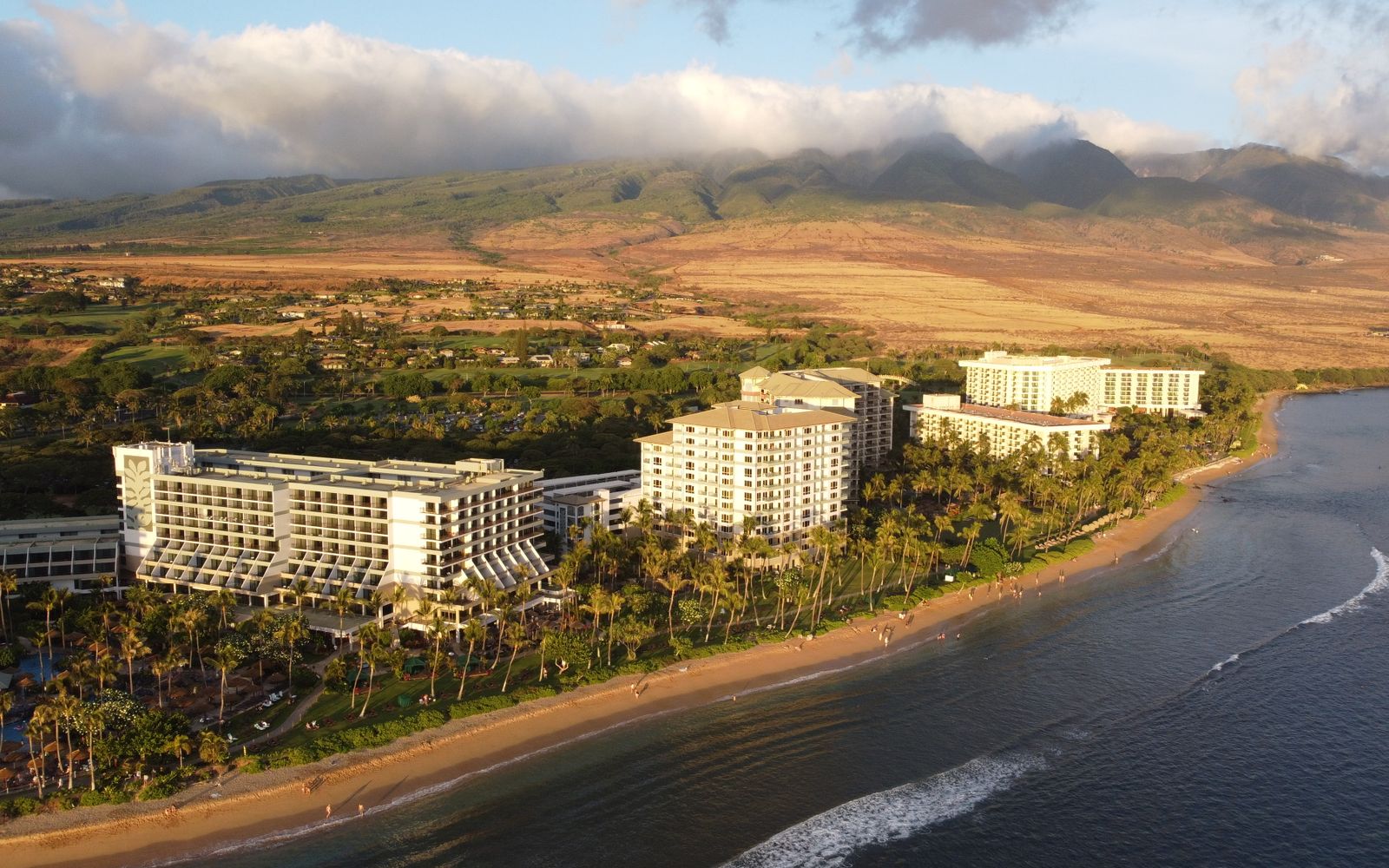
The roughly 20-mile stretch of Highway 1 between Cabo San Lucas and San José del Cabo is where the region's most prominent resort properties sit. Chileno Beach, a Blue Flag beach with a protected cove and excellent snorkeling, is here. Santa Maria Beach, a horseshoe-shaped marine sanctuary with no facilities but superb underwater visibility, is here. The championship golf courses, including layouts that rank among the most visually distinct in the Western Hemisphere, are concentrated along this corridor.
If you stay in the Corridor, you will likely spend most of your time at your resort or on a day tour. This is not a walkable zone. Taxi rides to Cabo San Lucas run 20 to 40 minutes and add up in cost over a week. That is not necessarily a problem if the resort is the point of your trip. For couples who want a secluded cove, golfers who want courses out the door, and honeymooners who want a large-resort experience with genuine beach access, the Corridor delivers what nowhere else in Los Cabos can.
Nightly rates at the major Corridor resorts run approximately $400 to $900 during peak season for standard rooms, with suites and peak holiday weeks pushing significantly higher. Some properties offer all-inclusive packages; others operate room-only with restaurant-heavy dining. Check our all-inclusive vs resort guide before you book. The Corridor suits luxury seekers, golfers, honeymooners, wedding groups, and travelers who want the full-service resort experience as the center of their stay.
San José del Cabo: quieter, walkable, and closest to the airport
San José del Cabo has a colonial downtown with a main plaza, the Thursday Art Walk through the Gallery District (running weekly from November through June), a relaxed restaurant scene, and a pace that feels more like a Mexican town than a resort strip. The airport is about 30 minutes away, which makes arrivals and departures less of an ordeal than from the western end of the corridor.
The beach situation here is more nuanced. Palmilla Beach, near the One&Only and a small marina, offers calm swimming and a family-friendly stretch of sand. Costa Azul and Zippers, a few minutes south, are the region's surf hub with breaks for different skill levels. Much of the San José coastline has surf-style conditions that require caution rather than casual swimming.
Hotels in San José del Cabo tend to run slightly lower than the Corridor's resort row, with solid boutique and mid-range options in the $150 to $350 range during peak season. Some travelers who want to visit both Cabo San Lucas and the Corridor base themselves here and drive or take taxis, which keeps options open without locking into a specific resort's orbit.
This zone suits travelers who want culture alongside beach time, couples who prefer a lower-key environment, solo travelers, and anyone for whom the airport proximity matters. If your 5-day itinerary involves driving the full region, San José can make a sensible anchor.
Todos Santos and the East Cape: for a different vibe entirely
Todos Santos sits about an hour north of Cabo San Lucas on the Pacific side and carries Pueblo Mágico designation, Mexico's federal recognition for towns with significant cultural heritage. The town has art galleries, good restaurants, and a creative community that has drawn expats and artists for decades. Cerritos Beach, a few kilometers south of town, is the main surf beach, with a beginner-friendly break and a beach club that makes it accessible to non-surfers as well. Accommodations here lean boutique and small-scale, with nightly rates typically in the $150 to $350 range.
The East Cape and Cabo Pulmo are a different calculation altogether. Cabo Pulmo National Marine Park protects the only hard coral reef in the Sea of Cortez, one of the oldest coral reefs in North America, and a UNESCO World Heritage site. Diving and snorkeling here is legitimately world-class. The East Cape road is unpaved in stretches and requires a higher-clearance vehicle. Lodging options are sparse and rustic. This is not where you go for resort amenities. It is where you go if the reef is the point.
Check the travel requirements and entry guide before you finalize your plans, and review the best time to visit page to match your zone choice to the season that fits it.
What to know
Los Cabos International Airport (SJD) sits in San José del Cabo, about 30 minutes from San José itself and 45 to 50 minutes from Cabo San Lucas on Highway 1. There is no reliable Uber pickup at the airport. Book a prepaid shuttle or private transfer in advance. If you are staying in the Corridor or Cabo San Lucas and plan to explore the full region, a rental car adds flexibility, particularly for day trips to Todos Santos or the East Cape.
The colored beach flag system is the safety mechanism you need to know before you put anyone in the water. Green means calm conditions. Yellow means caution. Red means stay out. Most Pacific-facing beaches have strong shore break and currents; this is not a case where you can read conditions visually. Médano Beach in Cabo San Lucas, Chileno Beach and Santa Maria in the Corridor, and Palmilla near San José are the reliably swimmable options. Solmar Beach at Land's End is dramatic for watching but dangerous for swimming year-round.
Currency: the Mexican peso is the official currency. USD is accepted widely in tourist areas but you will get better value paying in pesos, especially in San José's restaurants and local shops. The exchange rate at local ATMs tends to beat the airport booths.
Practical tips
Do not assume your resort's beach is swimmable just because it looks calm. Ask at check-in which beach on the property is safe to swim and on what conditions. Corridor resorts that front the Sea of Cortez side tend to have calmer water than those facing the Pacific.
Zone choice determines cost more than hotel category in Los Cabos. A three-star hotel in Cabo San Lucas often costs more than a four-star hotel in San José during peak season because of the beach-walk location premium. If budget matters, San José and parts of the Corridor offer better value for the room quality.
If your group has different priorities, booking in the Corridor puts you roughly equidistant from both Cabo San Lucas and San José, giving you a day in each direction without either being too far. Highway 1 traffic between the two towns is generally easy outside of peak holiday weeks.
For peak season stays, especially December through March, book accommodations four to six months out. The top Corridor resorts and the boutique properties in Todos Santos sell out quickly, and last-minute inventory at the most desirable spots is limited and expensive.
Frequently asked questions
Which area of Los Cabos is best for first-time visitors?
Cabo San Lucas or a mid-Corridor resort covers the most ground for a first visit. Cabo San Lucas puts you within walking distance of Médano Beach, the marina, El Arco water taxis, and restaurants. A Corridor resort gives you a resort-centric experience with beach access and the option to day-trip to both ends. San José del Cabo is better suited to visitors who already know they want a quieter, more cultural stay.
Is the Tourist Corridor worth the premium over staying in town?
If the beach access and golf are central to your trip, yes. Chileno and Santa Maria are genuinely excellent swimmable coves and you can only access them conveniently by staying nearby or driving in from town. If you are mainly planning to use your hotel as a base while exploring by taxi and tour, you can stay in Cabo San Lucas for less and still reach the Corridor's beaches and courses.
Do I need a car in Los Cabos?
Not if you are staying in Cabo San Lucas and your plans center on that area. If you want to explore San José del Cabo, Todos Santos, or the East Cape, a rental car makes the trip significantly easier and the freedom is worth the daily cost. Taxis on Highway 1 add up fast over a week.
Is Todos Santos far enough from Cabo to be inconvenient?
About an hour's drive, which is manageable for a day trip but makes it a less ideal base if you want regular access to the Cabo San Lucas marina or Corridor beaches. Most travelers who stay in Todos Santos are specifically seeking the slower pace and Pacific side feel, not using it as a home base for covering the full region.
Which zone is best for families with young children?
The Tourist Corridor, specifically properties near Chileno Beach or Santa Maria, gives families calm, protected swimming in a Blue Flag environment. Cabo San Lucas works well too if you stay near Médano Beach, which has gentle water and plenty of beach activity. San José is fine but the beach access is less straightforward for young swimmers.