Overview
The waters around Los Cabos are productive because the region sits at a geographic crossroads. The Pacific side is a major gray whale corridor. Humpbacks favor the warmer Sea of Cortez side, where protected water lets calves develop before the return journey north. You're likely to see both species during the peak months of January, February, and March. Humpback sightings are reliable from late December through March; gray whale traffic is highest in January and February.
Mexico's whale-watching regulations require boats to keep a safe distance and limit the number of vessels near a whale at one time. Reputable operators follow these rules. When comparing tours, ask whether the operator is compliant with federal guidelines, it's a fair question and a good sign when they answer without hesitation. Browse the Tour Operators directory for vetted options at both marinas.
When to go
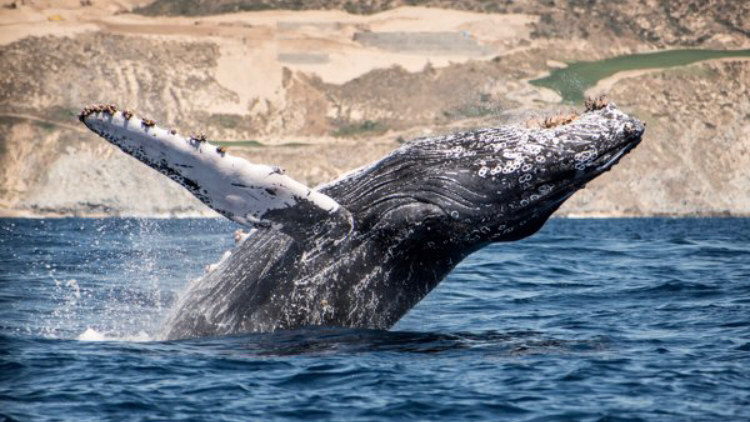
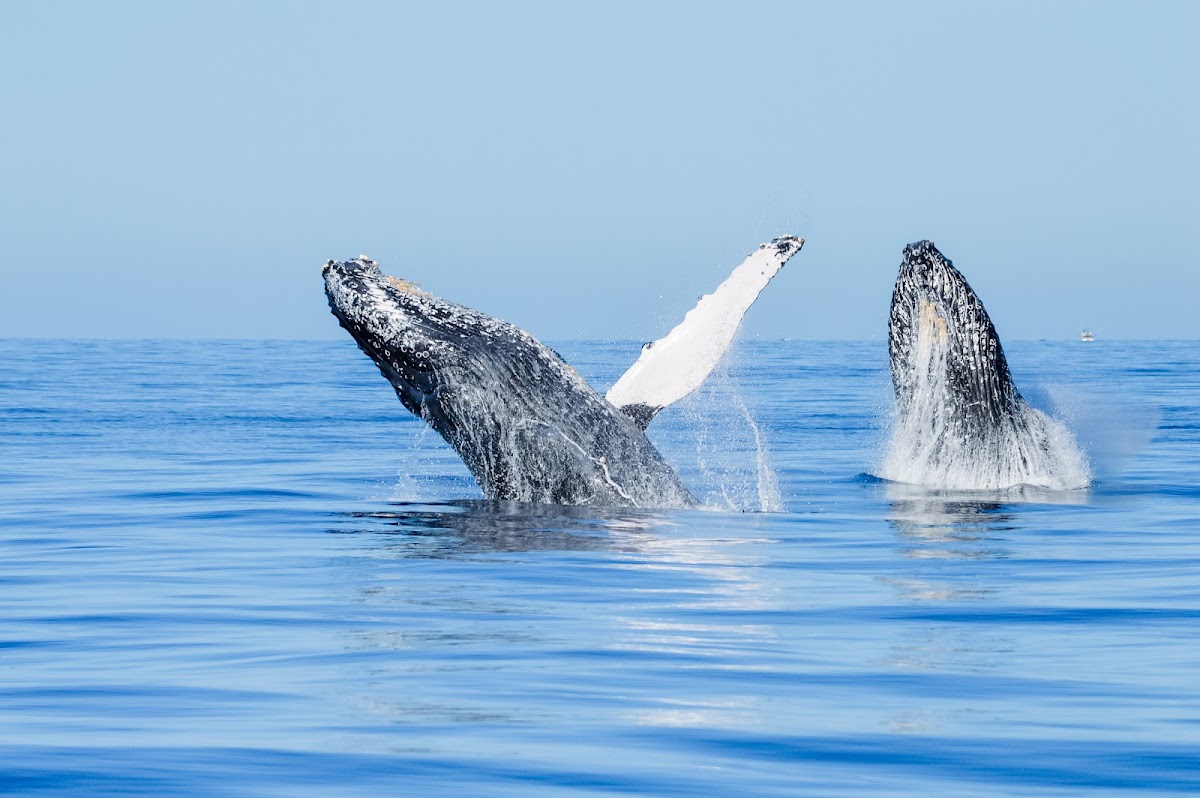
Season runs mid-December through mid-April. If you're visiting outside those dates, whale watching is simply not available in Los Cabos. Within the season, the best sightings cluster in January through early March. Humpbacks are most active on the surface during this stretch, breaching, tail-slapping, and spy-hopping as males compete for females.
Gray whales use Pacific lagoons farther north (Laguna San Ignacio, Bahía Magdalena) as their primary nursery grounds, but the migration passes close to the cape and gray whale sightings near Cabo are most common in January and February. For full context on how the whale season fits into a Cabo trip, see the best time to visit Los Cabos.
Morning departures are the smarter call. Wind on the Sea of Cortez builds through the afternoon in winter, and calmer water early in the day makes for a smoother ride and easier spotting. Most tours leave between 7 and 10 a.m.
What to expect
Most group tours run two to three hours. The Marina Cabo San Lucas is the most common departure point, convenient from hotels in Cabo San Lucas and along the Tourist Corridor. The Puerto Los Cabos marina, near San José del Cabo, is a quieter option if you're staying on the east side.
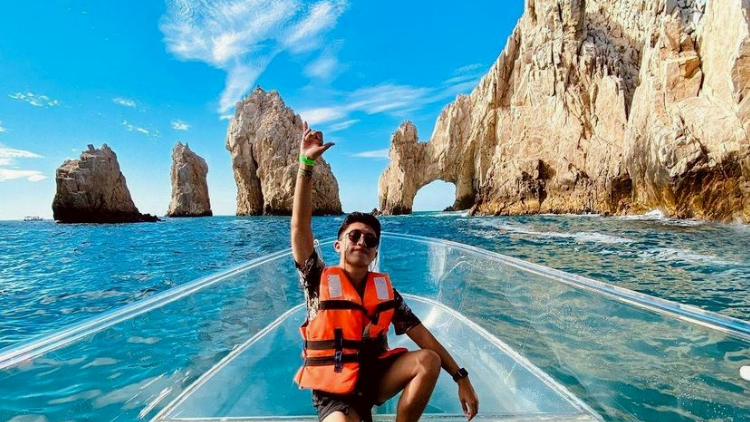
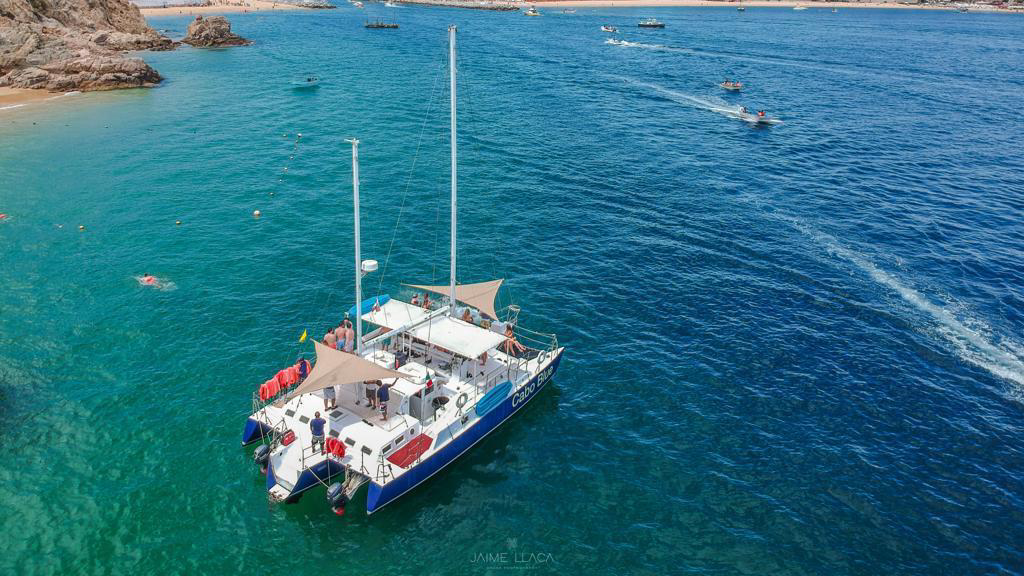
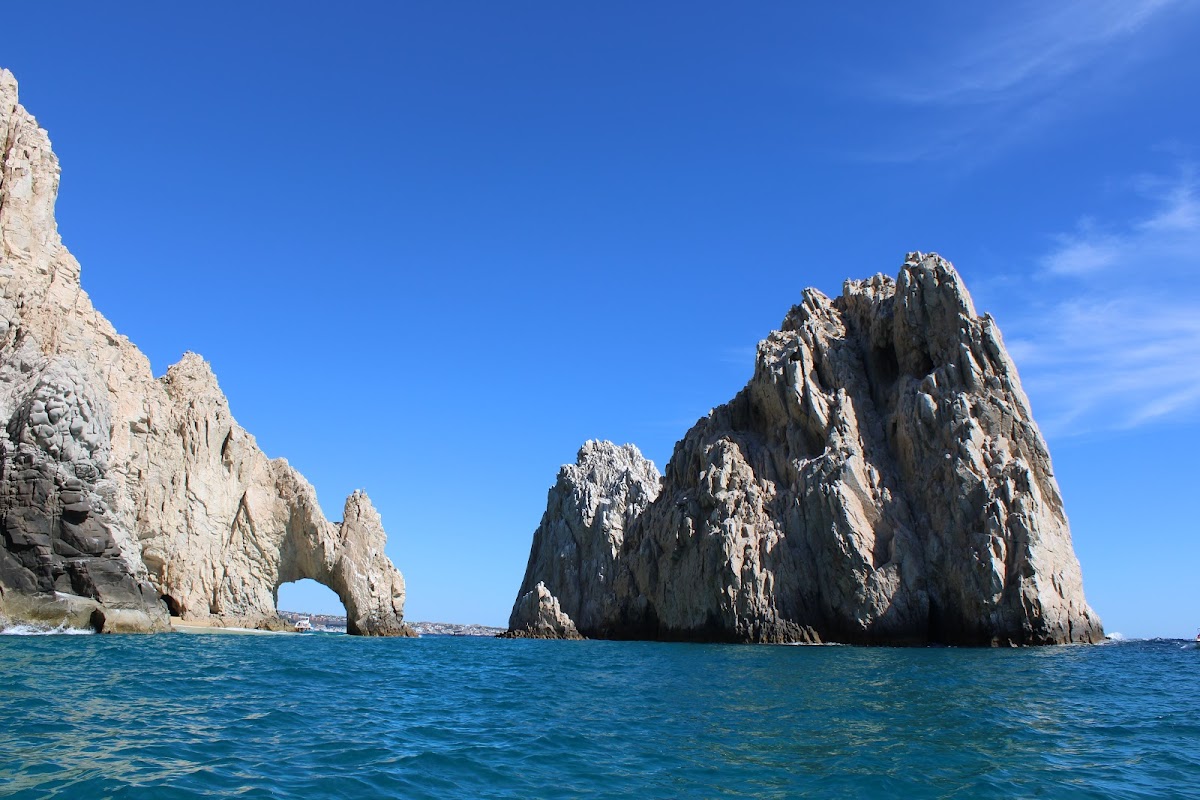
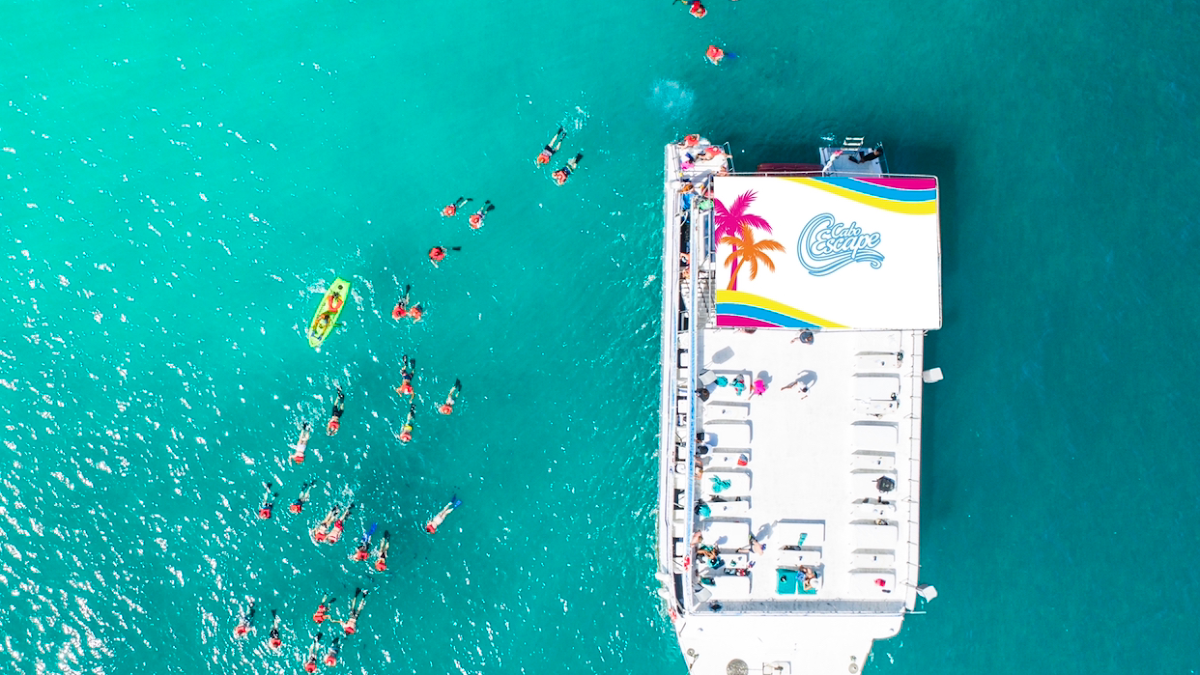
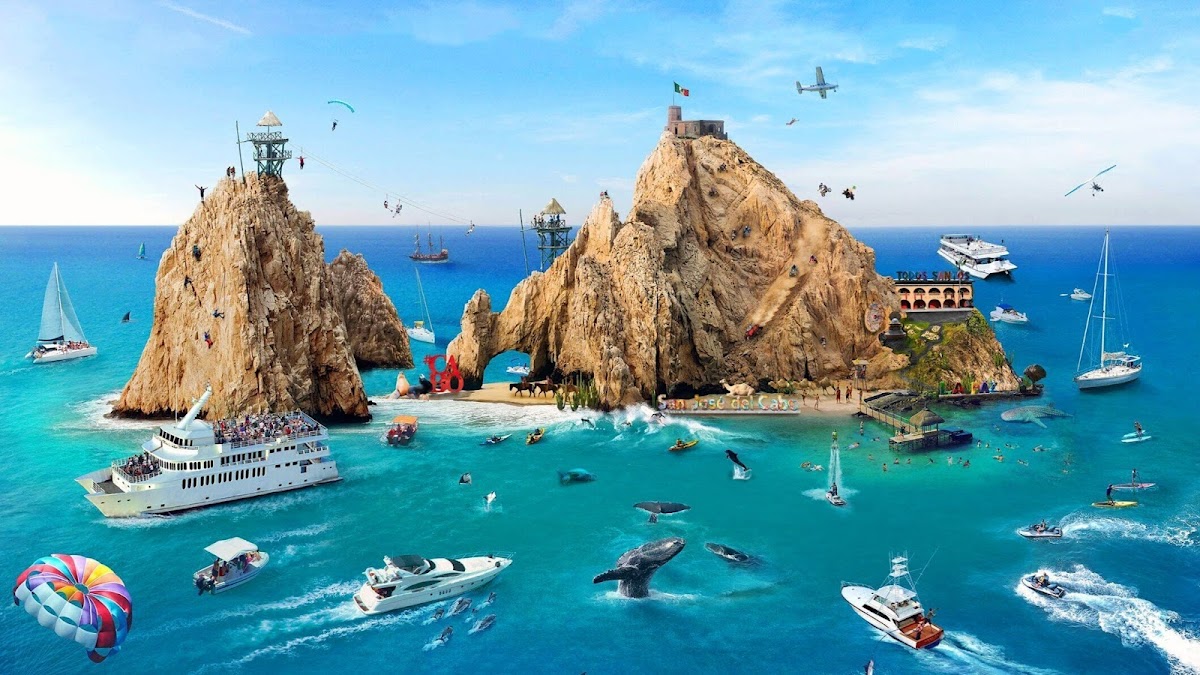
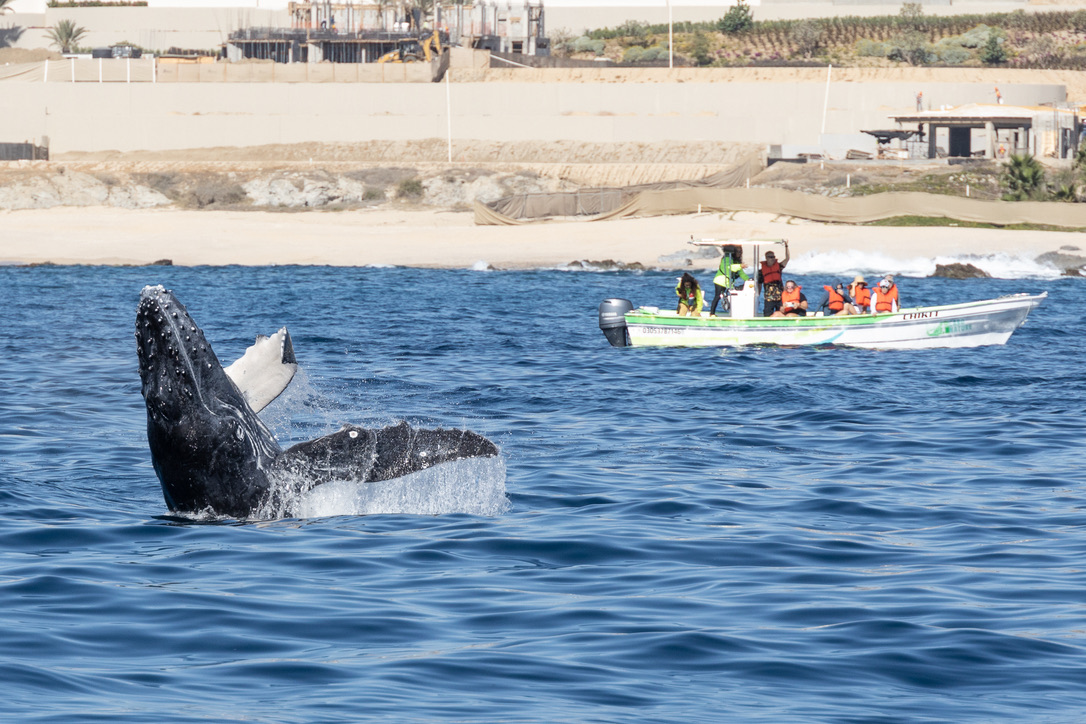
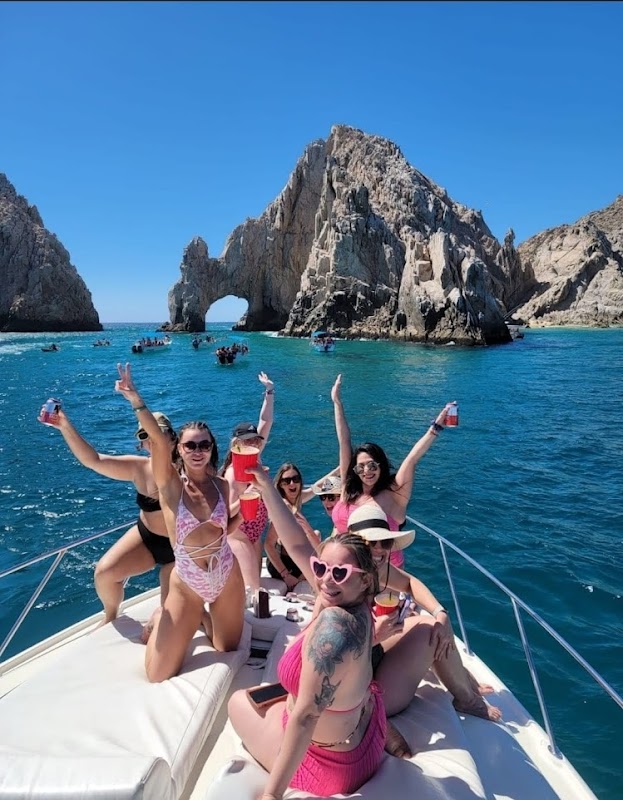
Boat type matters. Small pangas and Zodiacs (typically 8–12 passengers) sit close to the water, offer immediate encounters, and maneuver easily. The tradeoff is a rougher ride and no shade. Larger motor yachts and catamarans (20+ passengers) are steadier, sometimes include shade decks, and some carry hydrophones so you can hear whale song while the boat holds position. Some larger tours combine whale watching with a pass by El Arco and Land's End, confirm that's included before booking.
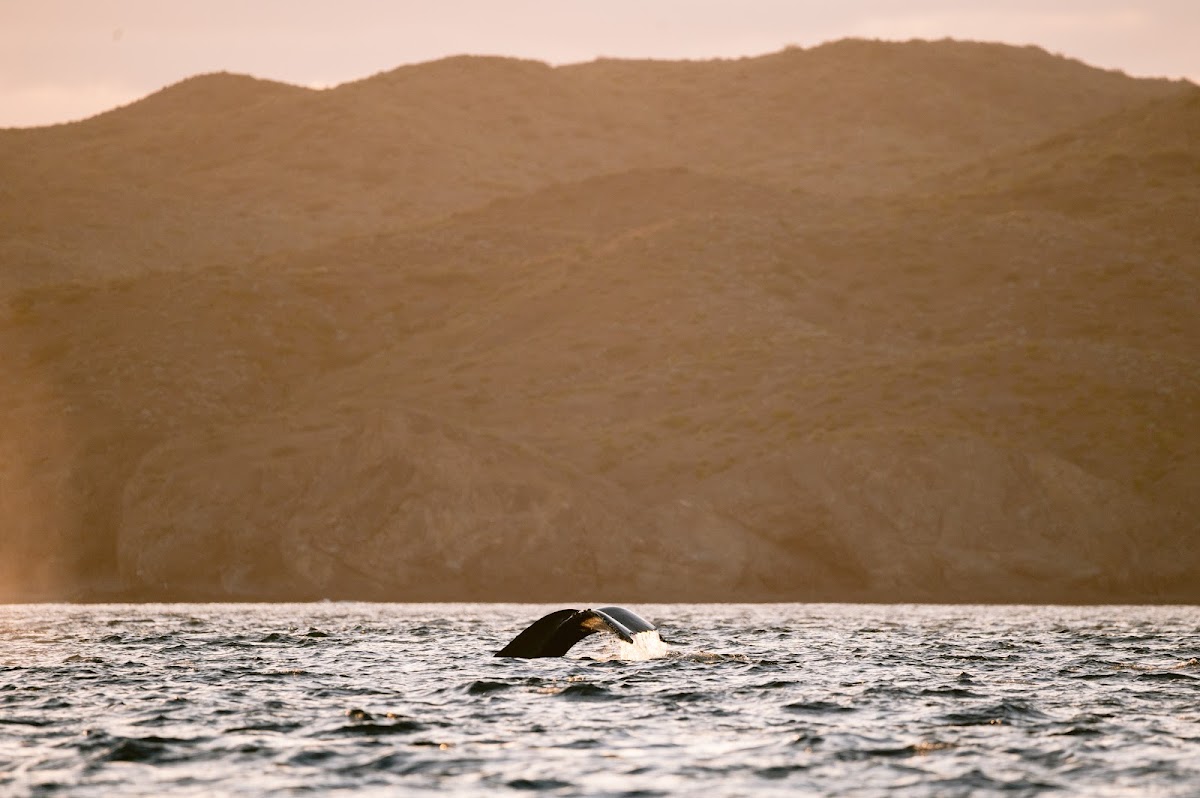
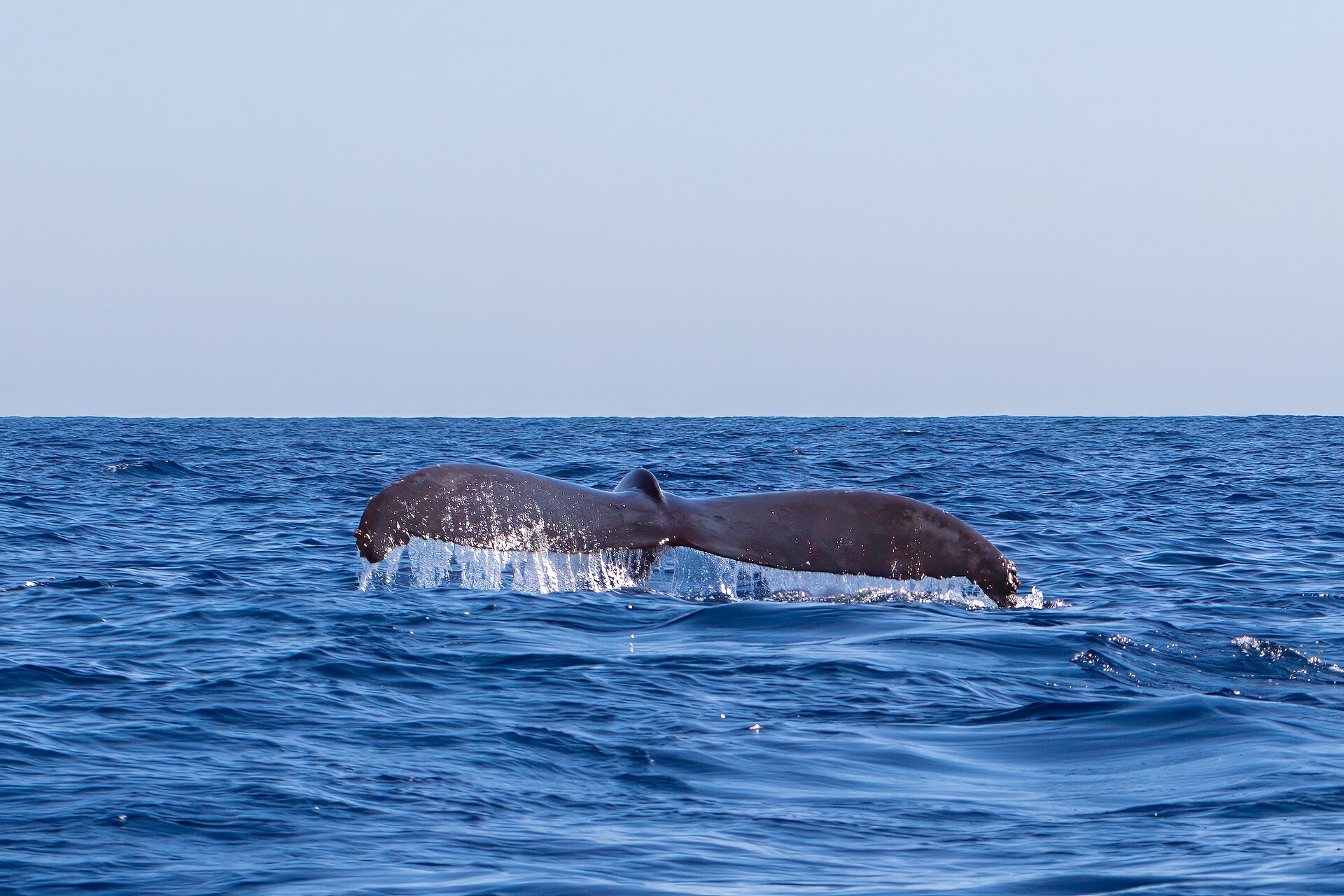
Surface behaviors vary by day. Breaches are the dramatic highlight but not guaranteed. More consistently, you'll see spy-hops, pec-fin slaps, and fluking as whales dive. Humpbacks are the more active of the two species; gray whales tend to approach boats with curious calm.
Bring a light jacket. On land, December through March feels comfortable in the mid-70s F. On the water at 8 a.m., the Sea of Cortez wind drops the apparent temperature sharply. This is the most consistently overlooked piece of prep for a morning whale-watching tour. A windbreaker is not optional on an open panga. Sunscreen is also essential, the Baja winter sun reflects off the water and you will burn.
Typical prices
Group tours run roughly $50 to $90 USD per person for two to three hours. Price variation reflects boat type, group size, and what's included. Budget-end tours are typically on larger vessels with more passengers. Mid-range tours tend to mean smaller groups, better naturalist guides, and sometimes hydrophone equipment. See how much a Cabo trip costs for how whale watching fits into your overall budget.
Private charters cost more but vary by boat and group size. For groups of four or more, a private panga can sometimes approach per-person group pricing while giving you a fully customized trip. Get a direct quote rather than assuming private is out of range.
How to book
Booking two to three days in advance is usually sufficient during the season. The peak weeks of mid-January through mid-February fill faster, especially smaller panga tours with limited seats. If whale watching is a trip priority and your dates are fixed, book before you leave home.
You can book directly at the marina or through your hotel concierge. The concierge route adds accountability, established resorts work with operators they know. Direct marina bookings are fine, but quality varies; look for operators who can speak specifically about their safety protocols, not just sell you a seat.
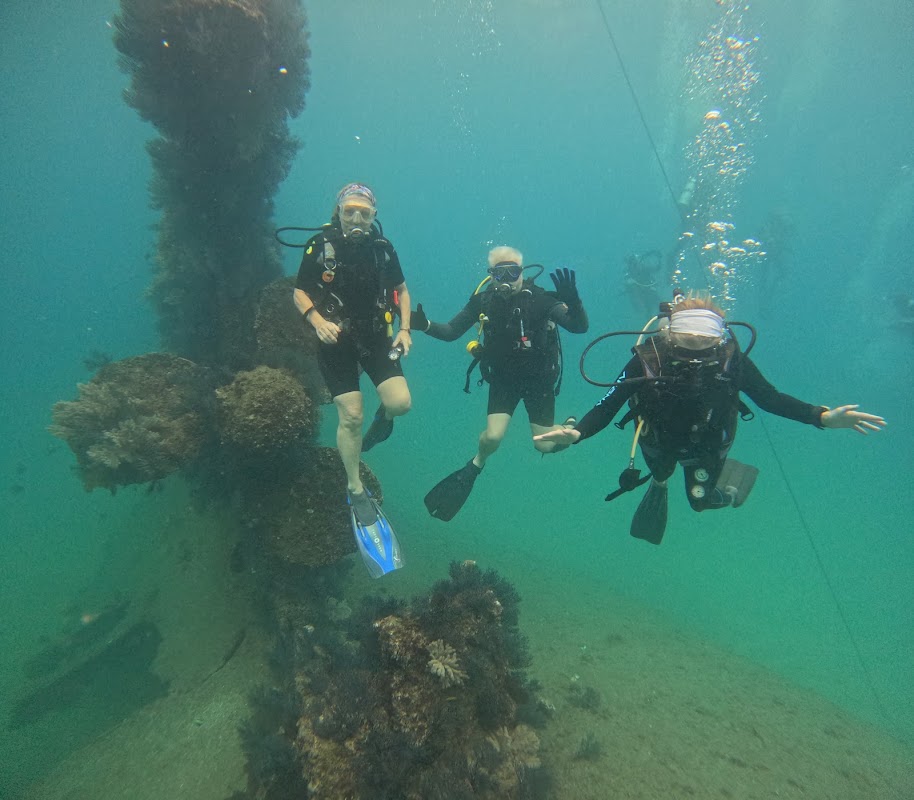
Whale watching pairs naturally with other marine activities during the December-to-April season. Scuba diving and snorkeling conditions are excellent in winter, with calmer swells and good visibility at sites like Santa Maria and Chileno. For an evening after a morning on the water, a sunset or dinner cruise keeps you on the sea without an early alarm. Planning the full trip? The 3-day Cabo itinerary shows how to fit whale watching alongside the region's other highlights.
Frequently asked questions
When is whale watching season in Los Cabos?
Season runs mid-December through mid-April. Peak activity for humpback whales is January through early March. Gray whale sightings are most common in January and February. Outside of those months, whales are not present in these waters, it is a strictly seasonal activity and no operator can change that.
What species of whales can you see near Cabo?
Humpback whales and gray whales are the two species you're most likely to encounter. Humpbacks come to breed and nurse calves in the warmer waters of the Sea of Cortez. Gray whales migrate south from Arctic feeding grounds past the Baja Peninsula, with their primary calving lagoons farther north along the Pacific coast. Blue whales are occasionally spotted in the Sea of Cortez but are not a reliable sighting near Cabo San Lucas.
Should I book a panga or a larger boat for whale watching?
Pangas and Zodiacs sit low on the water and provide a more immediate, close-up encounter, they're agile and carry fewer passengers. The tradeoff is a rougher ride in chop. Larger vessels are steadier and can be better for guests prone to motion sickness. Some larger boats carry hydrophones. If intimacy matters most and you can handle some motion, go with a panga. For comfort or groups with mixed seasickness tolerance, a larger boat is the safer choice.
How much does a whale-watching tour in Cabo cost?
Group tours run roughly $50 to $90 USD per person for two to three hours. Private charters cost more and vary by boat and group size, but for groups of four or more, private can approach per-person group pricing. Confirm what's included, some tours add an El Arco pass or onboard photos at no extra charge.
What should I wear or bring on a whale-watching tour?
Bring a light jacket or windbreaker, the Sea of Cortez wind on the water in winter is noticeably cooler than on shore, especially early morning on an open panga. Sunscreen is essential regardless of season. A camera with a long zoom lens is useful for capturing breaches and surface behaviors. If you're prone to seasickness, take medication or ginger supplement before boarding.
Where do whale-watching tours depart from in Los Cabos?
Most tours leave from the Marina Cabo San Lucas, which is convenient from hotels in Cabo San Lucas and the Corridor. Tours also depart from Puerto Los Cabos marina near San José del Cabo, better if you're staying on the east side of the region. Book two to three days in advance, more if you're visiting during the January-to-February peak.