The short answer
Pack light, breathable clothing. Pack reef-safe sunscreen. Pack more of both than you think you need. Cabo's sun is strong year-round, sitting at roughly 23 degrees north latitude, and the UV index regularly hits 10 or higher even in the cooler winter months. That's stronger than most of the continental US, and it catches people off guard.
If you're visiting November through April, add a light layer for evenings. Temperatures in Cabo San Lucas drop into the mid-60s Fahrenheit after sunset, and open-air restaurants along the marina get breezy. If you're visiting May through October, skip the layers entirely but upgrade your hydration plan. Daytime highs can hit 100 degrees or higher from June through August. The best time to visit guide has a full month-by-month breakdown if you're still deciding when to go.
What to know
The climate is desert-dry most of the year, which affects packing in a few ways beyond the obvious heat. Humidity is low from November through June, so sweat evaporates fast and dehydration sneaks up quickly. Drink water constantly, especially if you're active or out on the water. The rainy season runs July through October, with short intense afternoon downpours rather than all-day gray skies. A quick-dry rain layer or packable poncho handles it without taking up much space.
Salt water and sun degrade gear faster than you expect. Sunscreen melts off in the ocean, prescription eyeglasses fog and spot in sea spray, and cotton shirts become miserable after two hours on a fishing charter. Prioritize quick-dry synthetic fabrics for any day you'll be on or near the water. A good pair of water shoes is worth the bag space if your plans include snorkeling at Santa Maria or Chileno Beach, where the entry is rocky.
Mexican pharmacies (farmacias) are excellent and well-stocked for basics like over-the-counter pain relievers, antacids, and stomach remedies. You can buy most toiletries and common medications easily once you arrive. That said, bring your prescriptions, motion-sickness medication, and any specialized skincare from home. Resort gift shops carry sunscreen and basics but at a significant markup.
Practical tips
Roll your clothes instead of folding them. The humidity difference between December (dry) and August (humid) changes how much space your bag needs, and rolling lets you pack consistently regardless of season.
Leave room for what you'll buy. Local markets and resort shops sell cover-ups, casual shirts, and beach gear. Many travelers pack lighter going in and fill a soft bag on the way back. Check your airline's baggage policy before you go, especially if you're bringing all-inclusive resort travel rather than hopping between spots with luggage.
If your plans include five days or more in Cabo, prioritize items that serve double duty. A long-sleeved lightweight rash guard works for snorkeling, beach walking, and sun protection on a sportfishing charter. A wide-brim hat works everywhere. A small dry bag protects your phone, wallet, and room key whether you're on a water taxi to Lover's Beach or a 30-foot panga in the Pacific.
The area you're staying in influences what to bring. Travelers based in Cabo San Lucas near Médano Beach will spend more time in the water and need more beach gear. Travelers staying in San José del Cabo will do more walking and dining out, where casual resort-wear and comfortable sandals matter more. Visitors heading to the East Cape or Todos Santos for any portion of their trip should add a light long-sleeve layer and closed-toe shoes for unpaved roads.
Packing list by category
Clothing: Lightweight quick-dry shirts (3-5, plan to re-wear). Swimsuits (2-3 so one is always dry). Board shorts or swim cover-ups for beach and pool. Casual linen or cotton pants for evenings out. One dressier outfit if your plans include nicer restaurants. Sandals with a back strap (flip-flops come off on rocky entries). Comfortable walking shoes or sneakers. For November through April visits: one lightweight sweater or fleece and a light jacket for evenings. For May through October: skip the jacket, add an extra set of lightweight athletic gear.
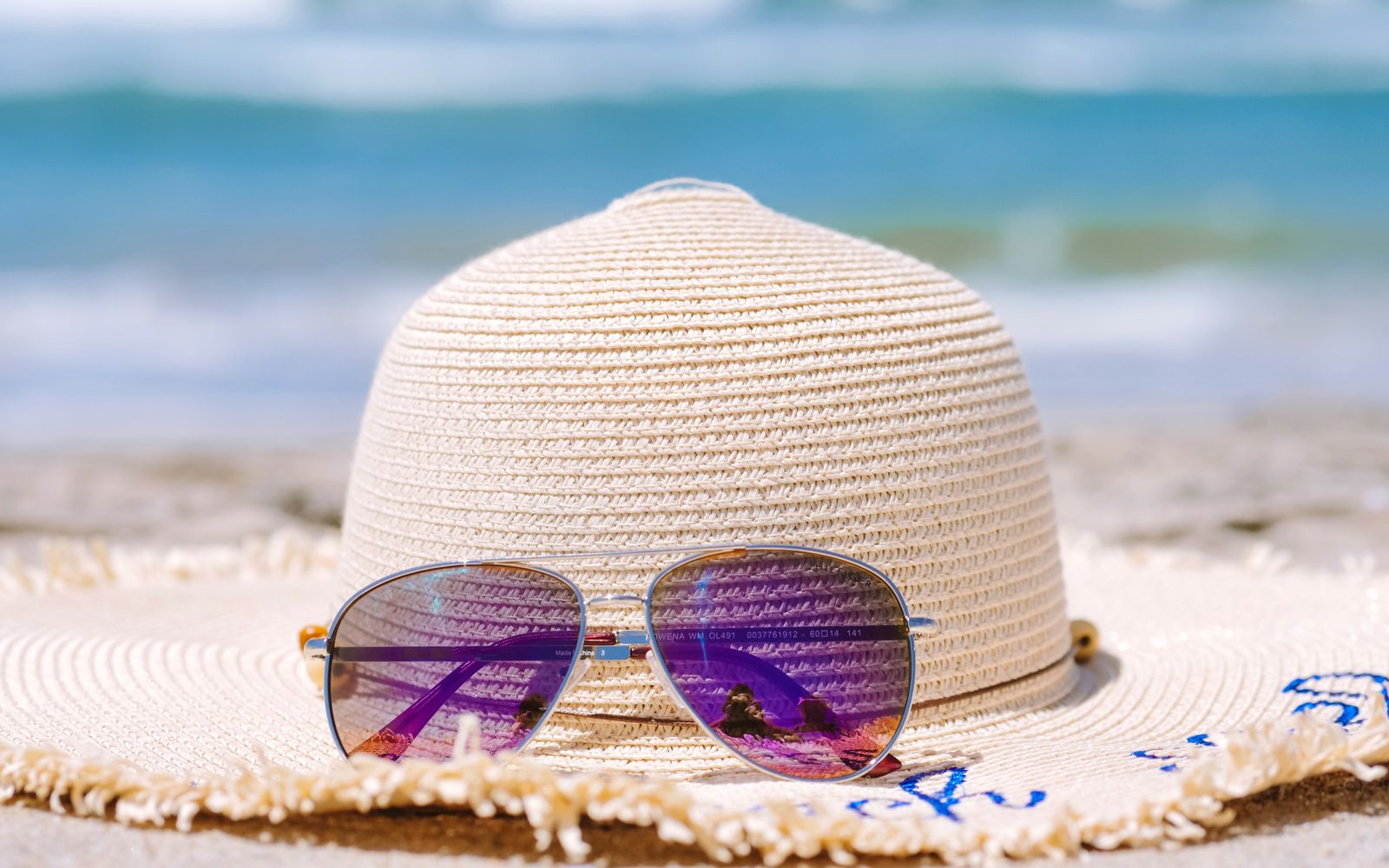
Sun protection: Reef-safe mineral sunscreen, SPF 50 or higher. Bring more than you think you need. Mexico and a growing number of dive and snorkel operators prohibit chemical sunscreens containing oxybenzone and octinoxate near coral reefs, including at Cabo Pulmo and the snorkel coves along the Corridor. Mineral sunscreen (zinc oxide or titanium dioxide) is the safe call everywhere. Wide-brim hat with at least a 3-inch brim. Polarized UV-blocking sunglasses, specifically ones with side coverage or wraparound lenses. A long-sleeve rash guard or lightweight UPF 50 sun shirt for extended water time.
Water and activity gear: Reef-safe sunscreen (listed again because it matters). A small dry bag or waterproof phone pouch. Water shoes or booties for rocky beach entries at Santa Maria Beach or Cabo Pulmo. A reusable water bottle, ideally insulated. Snorkel mask and fins if you plan to snorkel regularly. Prescription masks are available through some dive shops in Cabo San Lucas if you need them, but supply varies. Biodegradable insect repellent for evenings in Todos Santos or the East Cape, where mosquitoes are more active near palms and freshwater. A quick-dry towel if you're staying in a villa or non-resort property that doesn't supply beach towels.
Health and medications: Motion-sickness medication or wristbands if you're booking a sportfishing charter or sunset cruise. Pacific swells run 4 to 8 feet on offshore trips, and even people who don't normally get seasick can feel it on a long run out to the tuna grounds. Take the medication the night before and again the morning of the charter. Oral rehydration packets or electrolyte tablets for hot-weather days. Any prescription medications with a full supply for your trip plus a few days buffer. A copy of your prescriptions stored separately from the medications. Basic first aid: blister pads, antibiotic ointment, and adhesive bandages for rocky beach walking. An antacid and stomach remedy in case local food or water disagrees with you, even if you're careful.
Documents and money: A valid US passport. Mexico requires a passport for entry by air. The Tourist Entry Form (now digital via the Mexico Autorización de Entrada system) is completed at the point of entry or in advance. Check current requirements before you travel as these have changed in recent years. Travel insurance documentation. Copies of your credit cards and emergency contacts stored separately from your wallet. Notify your bank and credit card companies before travel to avoid holds. Mexican pesos in cash for small purchases, market vendors, and tips. USD is widely accepted in tourist areas of Cabo San Lucas and the Corridor, but you'll get better value paying in pesos where the option exists.
Frequently asked questions
Do I need to bring reef-safe sunscreen or can I buy it in Cabo?
You can buy it in Cabo, but selection and price vary. Larger pharmacies and some resort shops carry reef-safe mineral options, but availability is not guaranteed and resort pricing is high. Bringing your own supply from home is the reliable approach. Many snorkel and dive operators along the Corridor and at Cabo Pulmo require reef-safe sunscreen and will ask you to rinse off conventional sunscreen before entering the water.
Is it worth bringing a formal or dressy outfit?
It depends on your plans. The nicest restaurants in San José del Cabo and at the Corridor resorts have no formal dress codes, but a sundress, linen pants, or a neat casual shirt fits in better than board shorts and flip-flops at dinner. Pack one evening outfit that steps up from beach wear, and that covers most situations. You do not need a blazer or heels.
Should I bring cash or use cards?
Both. Credit cards are accepted widely at resorts, restaurants, and tour operators. Cash in pesos is useful for street tacos, market shopping, tips, and any smaller vendors. ATMs are available in Cabo San Lucas and San José del Cabo; use bank ATMs inside secure locations rather than street ATMs. Notify your bank of travel before you leave to avoid your card being flagged.
Do I need motion-sickness medication even if I don't usually get seasick?
If you're booking a full-day sportfishing charter or heading offshore more than a few miles, yes. Pacific swells and the chop crossing from the Sea of Cortez to the Pacific outside Land's End can be significant, especially during the summer and fall swell season. Motion sickness affects people inconsistently, and being stuck on a 30-foot boat 20 miles offshore is not the place to find out you need it. Take the medication the night before, not just the morning of.
Is there anything I should not bother packing?
Leave behind heavy jeans, wool layers, and formal shoes unless a specific event requires them. You will not need an umbrella (the rain is brief and warm when it comes). You do not need to bring towels if you're staying at any resort or hotel, as they supply beach and pool towels. Electronics and adapters work without converters: Mexican outlets are the same 110V standard as the US and use the same plug type.