Why visit
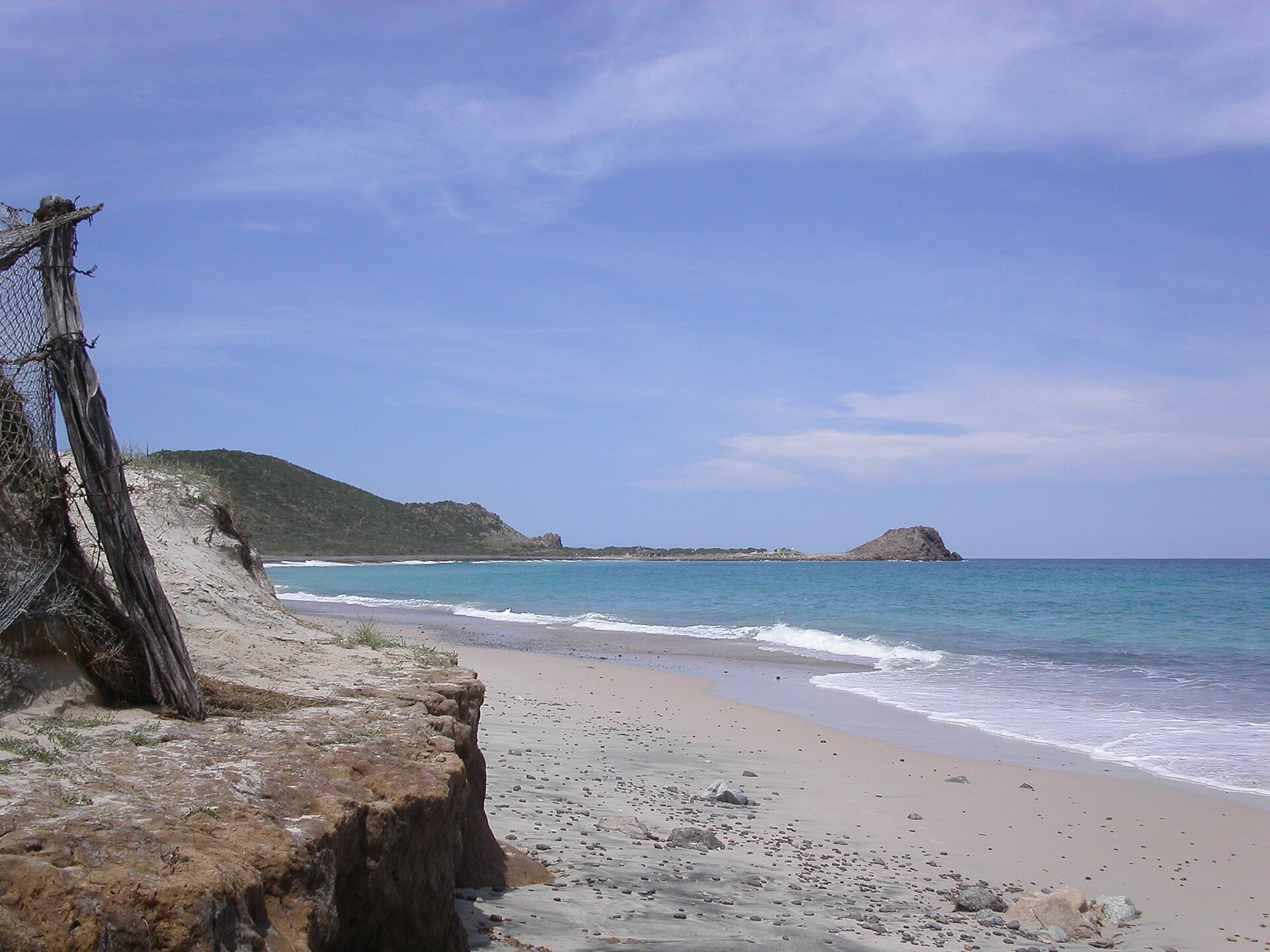
In a region built largely around resort amenities, the East Cape stands apart. The coastline here is the Los Cabos that existed before the hotels arrived: long isolated beaches, turquoise water on the Sea of Cortez side, and a pace that has almost nothing in common with the Marina in Cabo San Lucas. It draws divers, serious snorkelers, fishermen who want to work water that has not been hammered, and travelers who want to spend a night or two somewhere genuinely quiet.
The anchor of any East Cape trip is Cabo Pulmo. In 1995 the local fishing families voluntarily gave up fishing the reef and lobbied for full federal protection. The result, after about a decade, was one of the most dramatic marine recoveries ever documented in a national park. Biomass increased by over 460 percent according to published scientific surveys. Today it ranks among the top dive sites in North America, and the fact that it sits at the tip of the Baja peninsula in water warm enough to swim in comfortably from June through October makes it genuinely rare. Pair a Cabo Pulmo dive trip with a couple of nights at a small East Cape posada and you have a trip that most Los Cabos visitors do not even know is possible. See the full where to stay by area guide to compare the East Cape against other zones before you book.
Cabo Pulmo National Marine Park
Cabo Pulmo National Marine Park covers about 71 square kilometers of Sea of Cortez coastline and sea floor, centered on the reef system that formed roughly 20,000 years ago. It is one of only three coral reefs in North America's Pacific side and the only living coral reef in the entire Sea of Cortez. The reef runs in a series of fingers pointing into the sea, creating channels, walls, and sandy corridors that shelter an enormous variety of marine life.
What you are likely to see on any given dive or snorkel here: large schools of jack (sometimes thousands strong in a single column), green sea turtles resting on the bottom or cruising mid-water, spotted eagle rays, moray eels, several species of reef fish, sea lions, and, from roughly November through March, bull sharks congregating in numbers that draw underwater photographers from around the world. The bull shark aggregation at Cabo Pulmo is one of the largest reliably-recurring shark encounters in the Pacific. It is not a dangerous dive for an experienced diver working with a local guide, but it is dramatic.
The park is strictly protected federal land. Fishing is prohibited. Touching the reef is prohibited. Daily visitor access is limited, and you must enter the water only with a licensed local dive or snorkel operator based in Cabo Pulmo village. You cannot simply anchor a boat from another port and jump in. This is not a bureaucratic inconvenience: it is the management framework that produced the recovery, and operators here take it seriously. Plan to book your dive or snorkel trip at least a few days in advance, especially from July through October when visibility peaks and demand from in-the-know travelers runs high. See the Cabo Pulmo diving and snorkeling guide for operator details and what to expect on the water. The broader scuba diving and snorkeling page covers where else in Los Cabos you can get in the water.
Water temperature at Cabo Pulmo runs from about 68°F in winter to low 80s°F by August and September. The warmest water coincides with the best visibility. July through October is the sweet spot for comfortable diving with clear conditions. From mid-December through mid-April, whale season brings humpback and gray whale activity to the surrounding Sea of Cortez waters, and whale watching opportunities can sometimes be combined with a Cabo Pulmo snorkel day.
Top things to do
Dive or snorkel the reef. This is the reason most people make the drive, and it should be the centerpiece of any East Cape itinerary. A full-day dive trip with two tank dives from a licensed local operator typically runs $80–$120 USD per person depending on the operator and season. Snorkel-only excursions cost less, usually in the $40–$70 USD range. The operators based in Cabo Pulmo village are small, experienced, and focused entirely on this reef. Most provide equipment rental.
Kayak along the coast north of the village. The water on the Cabo Pulmo side of the East Cape is calm, protected from the Pacific swell, and clear enough to see the bottom in the shallows. Kayak rentals are available from some local operators. Paddling the shoreline at low tide, when you can see the reef structure beneath you, is one of the better low-effort wildlife encounters on the peninsula.
Camp or stay at a small posada and spend time on the isolated beaches north of the village, including Playa La Sirenita and Playa Los Arbolitos, long sandy stretches with no services and very few people. These are Sea of Cortez beaches, which means calmer water than the Pacific side, generally swimmable conditions (check with locals for any current or jellyfish advisories on the day), and sunrises instead of sunsets over the water.
The surrounding desert is worth exploring on foot. The East Cape sits at the base of the Sierra de la Laguna foothills, and the landscape transitions from thorn scrub at sea level to pine forest at elevation. If your trip extends beyond a dive day, the combination of reef and desert offers the kind of contrast that makes Baja genuinely different from other Mexican beach destinations. Check the full best beaches in Los Cabos guide to plan which other stretches of coastline to add to a longer East Cape trip.
Where to stay
Cabo Pulmo village has no large hotels and no all-inclusive resorts. Accommodation runs to small owner-operated posadas and eco-lodges, many with just a handful of rooms, some with casitas that can be rented for a few nights. Prices are modest by Los Cabos standards, generally in the $80–$180 USD per night range for a private room or casita. A few properties offer camping with basic facilities.
The nearest town with a broader range of hotels is Los Barriles, about 30 kilometers north on the East Cape Road. Los Barriles has a small expat community, a few restaurants, and properties ranging from budget guesthouses to mid-range beachfront hotels, typically $100–$250 USD per night. It serves as a reasonable base for day trips to Cabo Pulmo if you prefer more amenities.
If you want the full East Cape experience including diving at Cabo Pulmo, plan to stay at least two nights in or very near the village. Arriving the day before your dive gives you time to settle in, rent gear, confirm your operator booking, and enjoy the area rather than rushing in and out. Travelers who do the East Cape as a day trip from the resort corridor often underestimate the drive and feel pressed for time. Read the adventure itinerary to see how a multi-day East Cape and Cabo Pulmo stay fits into a broader Los Cabos trip.
Getting there and around
From Cabo San Lucas, the drive to Cabo Pulmo village is roughly 1.5 to 2 hours. The route heads east and north from San José del Cabo, connecting to the East Cape Road along the Sea of Cortez coast. The last 20 or so kilometers approaching Cabo Pulmo are unpaved. A standard sedan can make it in dry conditions, but a high-clearance vehicle is more comfortable and safer when the road is wet. After significant rain, sections can require 4WD.
A rental car is the practical choice. Uber does not operate reliably out here and there is no public transit. If you prefer not to drive an unpaved road, several operators in Cabo San Lucas and San José del Cabo offer guided day trips that handle transportation, the dive booking, and food. Bring cash before you leave San José del Cabo: there are no ATMs in Cabo Pulmo village and card acceptance at small operators is unreliable. Fill up with gas before leaving San José, bring more water than you think you need, and use only reef-safe sunscreen (conventional sunscreen is not permitted inside the marine park). The Los Cabos travel guide has full logistics coverage for the region.
Best time to visit
July through October is the best window for diving and snorkeling. Water temperatures peak in the low 80s°F, visibility in the park is at its highest, and marine life activity runs at full intensity. August through October overlaps with Baja's hurricane season, worth monitoring, though Cabo Pulmo's Sea of Cortez location puts it in a slightly different exposure zone than the Pacific coast.
The dry season from November through April brings daytime highs in the mid-70s to low 80s°F with near-zero humidity. Diving and snorkeling remain good but water cools and visibility can fluctuate. The upside is whale activity: humpback and gray whales move through the Sea of Cortez from mid-December through mid-April. From November through March, the bull shark aggregation draws experienced divers specifically for that encounter. May and June are hot and dry with warming water and fewer visitors, which means more available operators and a quieter village.
Frequently asked questions
Do I need a licensed guide to dive or snorkel at Cabo Pulmo?
Yes. Cabo Pulmo is a strictly protected federal national park, and all visitors entering the water must do so with a licensed local operator based in Cabo Pulmo village. You cannot dive or snorkel independently, and boats from outside the park cannot drop anchor inside the protected zone. This requirement is actively enforced and is the reason the reef has recovered as dramatically as it has. Book your operator in advance, especially from July through October.
Can I drive a regular rental car to Cabo Pulmo?
The majority of the drive from San José del Cabo to Cabo Pulmo is on paved highway. The last roughly 20 kilometers are on an unpaved dirt road. A standard compact rental car can make it in dry conditions, but a high-clearance vehicle is more comfortable and significantly safer if the road is wet or has been rutted out. Check road conditions locally before you go. Many rental agencies technically restrict their vehicles from unpaved roads, so a guided tour with transportation included is the easiest option if you want to avoid any liability or navigation uncertainty.
Are there ATMs or credit card machines in Cabo Pulmo?
No. Cabo Pulmo village has no ATMs and most small operators and accommodations in the village work on a cash-only basis. Withdraw pesos (or USD) before you leave San José del Cabo. The nearest reliable ATM access is in San José del Cabo or Los Barriles to the north.
When is the best time to see bull sharks at Cabo Pulmo?
The bull shark aggregation at Cabo Pulmo is most reliable from November through March, with December through February typically being the peak months. This is an unusual and genuinely impressive dive: large numbers of sharks in clear water at relatively shallow depths. It requires working with an experienced local operator and is not a beginners' dive, but it is a legitimate bucket-list encounter for divers who are comfortable around sharks.
How far is Cabo Pulmo from the Cabo San Lucas resort area?
Plan on 1.5 to 2 hours driving time from the Cabo San Lucas resort area, or about 1 to 1.5 hours from San José del Cabo. The bulk of the drive is straightforward paved highway heading east from San José, with the final section on an unpaved road into the village. It is a meaningful commitment of time, which is why staying one or two nights rather than doing it as a rushed day trip gives you a much better experience.