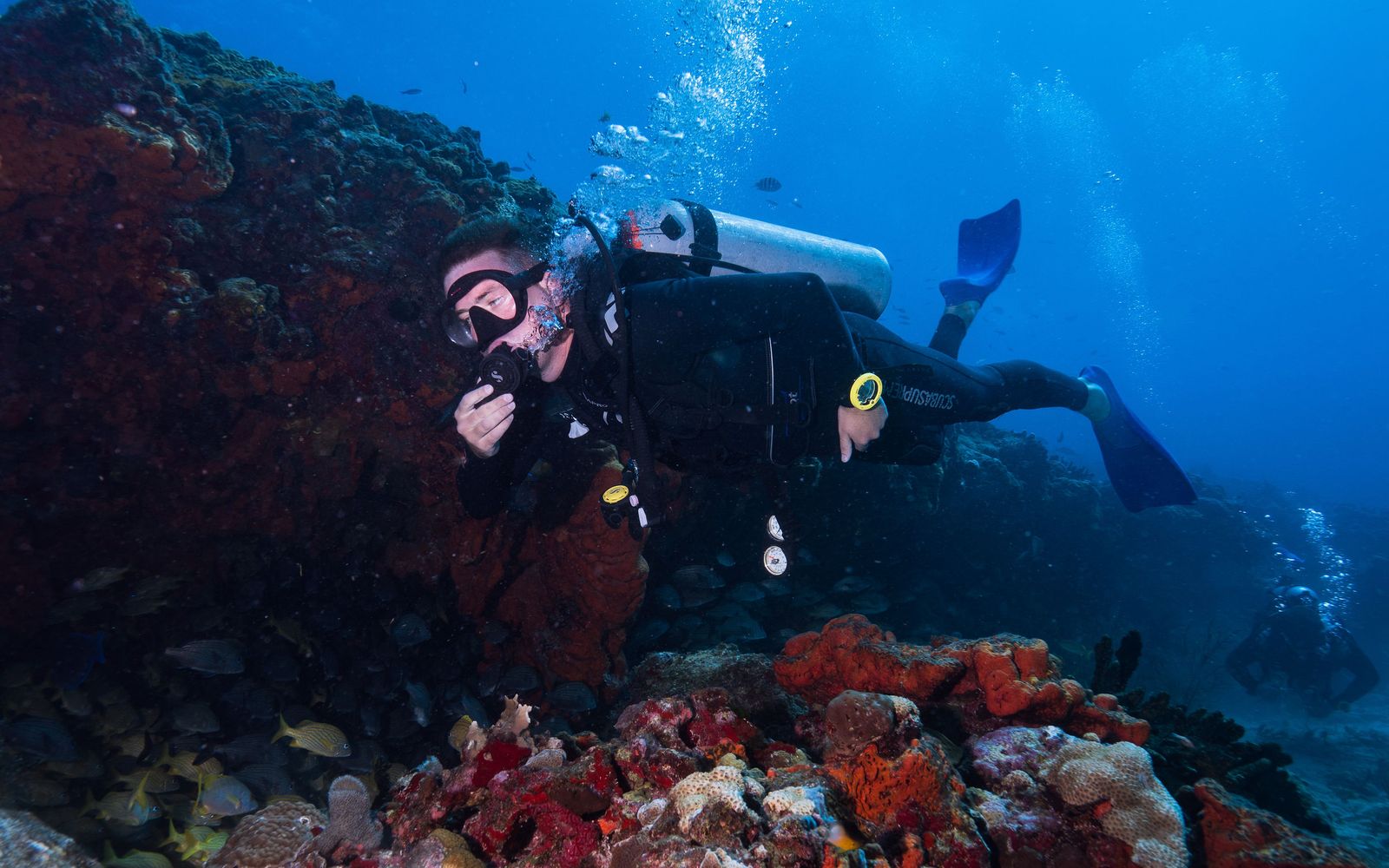
Jacques Cousteau called the Sea of Cortez “the aquarium of the world,” and the reef at Cabo Pulmo is the main reason. This is the only living hard-coral reef in the Sea of Cortez, one of three in North America, and the oldest. Scientists date parts of it to roughly 20,000 years. It sits inside a UNESCO World Heritage site and a protected national marine park, which is exactly why it’s still intact when so many reefs aren’t.
If you’re building an itinerary out of Los Cabos Travel Guide and you have any interest in marine life, Cabo Pulmo deserves at least a full day. Here’s everything you need to plan the trip well.
What Makes Cabo Pulmo Different
Most dive and snorkel sites in Los Cabos , Santa Maria Cove, Chileno Bay, the rocks near Land’s End. Offer decent visibility and some reef fish. They’re worth doing. But Cabo Pulmo is operating at a different scale.
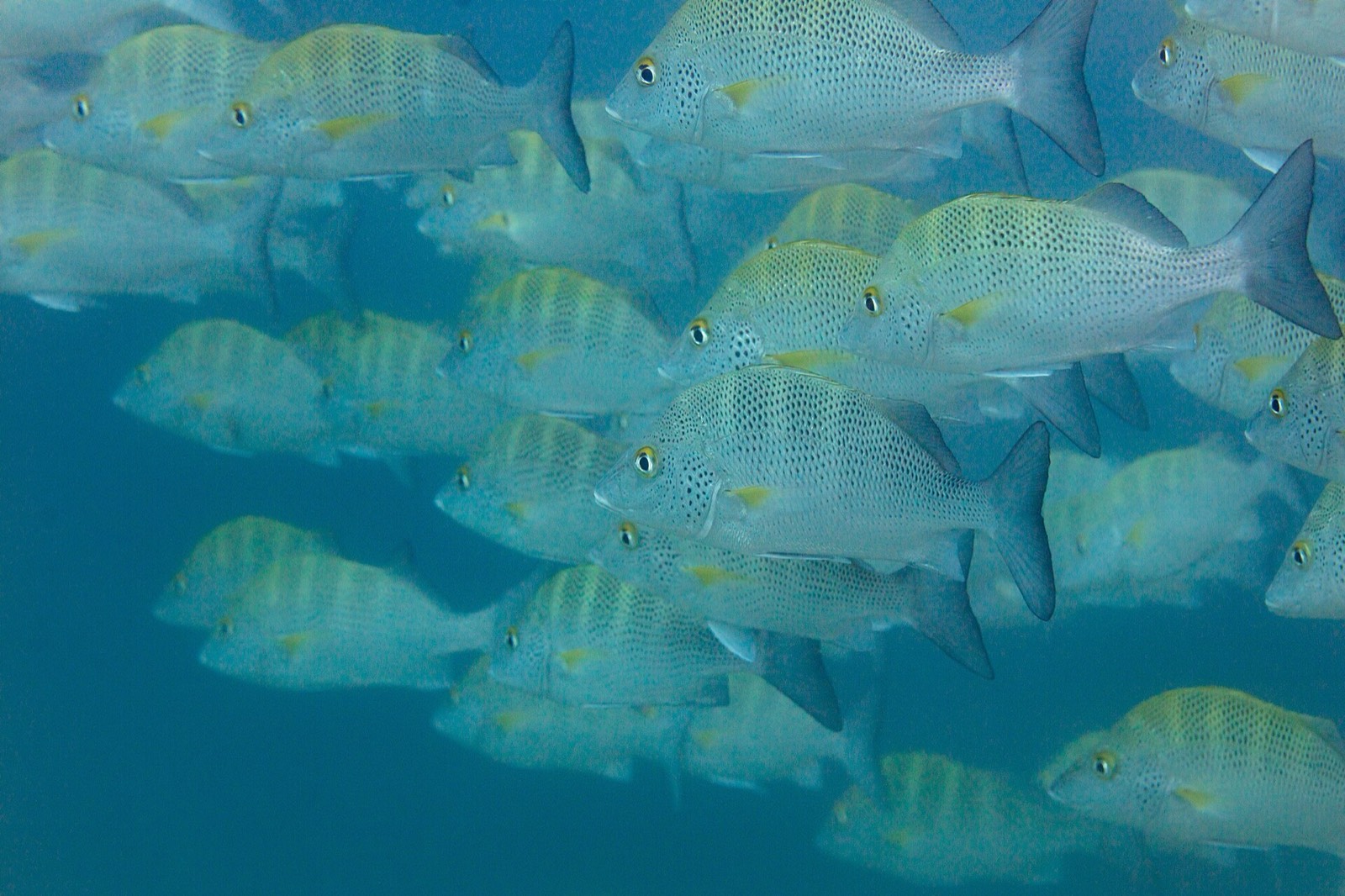
The reef system here covers roughly 27,000 acres and includes nine separate hard-coral reef formations stretching along about 5 miles of coastline. Because the park has been no-take since 1995, fish populations rebounded dramatically. Biomass in the park increased by an estimated 460 percent in the decade after protection. That number is visible underwater: you’re swimming through dense schools of fish, not passing a few scattered individuals.
The signature experience is the school of bigeye trevally and jack crevalle that aggregates near El Bajo seamount. On good days you’re inside a column of fish so thick it blocks out the light above you. Sea lions from a colony near Los Frailes frequently join dives on the northern end of the reef. Sightings of bull sharks, nurse sharks, and whale sharks are common enough that operators can often steer you toward them seasonally.
Getting There: The Drive and the Road
Cabo Pulmo is on the East Cape and Cabo Pulmo coastline, northeast of San José del Cabo. From Cabo San Lucas the drive is roughly 1.5 to 2 hours depending on your route. From San José del Cabo it’s closer to 1 to 1.5 hours.
The route: take Federal Highway 1 north out of San José del Cabo to the signed turnoff toward Los Barriles and La Ribera. From La Ribera, a paved road runs south toward Cabo Pulmo. The last 10 to 15 miles before the village are unpaved and rough, with washboard sections that worsen after summer rain. A standard sedan can make it in dry season with careful driving, but a truck or high-clearance rental is a better call from June through October. Budget time for the final stretch.
Fuel up before you leave Los Barriles. There are no gas stations between there and the park.
The village itself is tiny: a handful of houses, a few small restaurants, the dive operators, and no big tourist infrastructure. That’s the point. Cell service is limited; download your maps offline before you leave San José.
Snorkeling at Cabo Pulmo
You don’t need to scuba dive to have a memorable experience here. Several of the reef formations are shallow enough for snorkeling, and the fish density is high enough that you’ll encounter serious marine life within minutes of getting in the water.
Good snorkeling sites include the reef near the village entry point and the areas just north of it. Visibility in the Sea of Cortez typically runs 30 to 60 feet; it’s clearest in fall and winter. Water temperature ranges from around 68–72°F in January and February to 82–85°F in August through October.
If you’re bringing your own gear, a full-foot fin works better than a strap fin in this environment because the entries are often off sandy beaches rather than rocks. A wetsuit of 3mm is enough for most of the year; in winter (December through February) a 5mm or a wetsuit plus a thin second layer keeps you comfortable for longer dives.
Most visitors book a guided snorkel tour through one of the permitted operators in the village rather than free-snorkeling independently. Operators know exactly where the fish aggregations are on any given day, and the guided format also keeps the coral safe. There’s no anchoring in the park, so boats drift or use mooring buoys.
Scuba Diving at Cabo Pulmo
There are about ten named dive sites within the park. These are the ones most frequently visited:
El Bajo seamount: The site of the legendary jack aggregation. It sits 35 to 65 feet down and requires a reasonable comfort level with current, since conditions here can push you. Trevally and crevalle jacks often school into the tens of thousands. Visibility and current vary considerably; morning dives before wind picks up typically offer the best conditions.
Los Morros: A series of rock pinnacles on the north end of the reef, averaging 40 to 80 feet. Sea lion encounters here are common because the colony at Los Frailes is close. Bull sharks are spotted regularly in the cooler months (October through January).
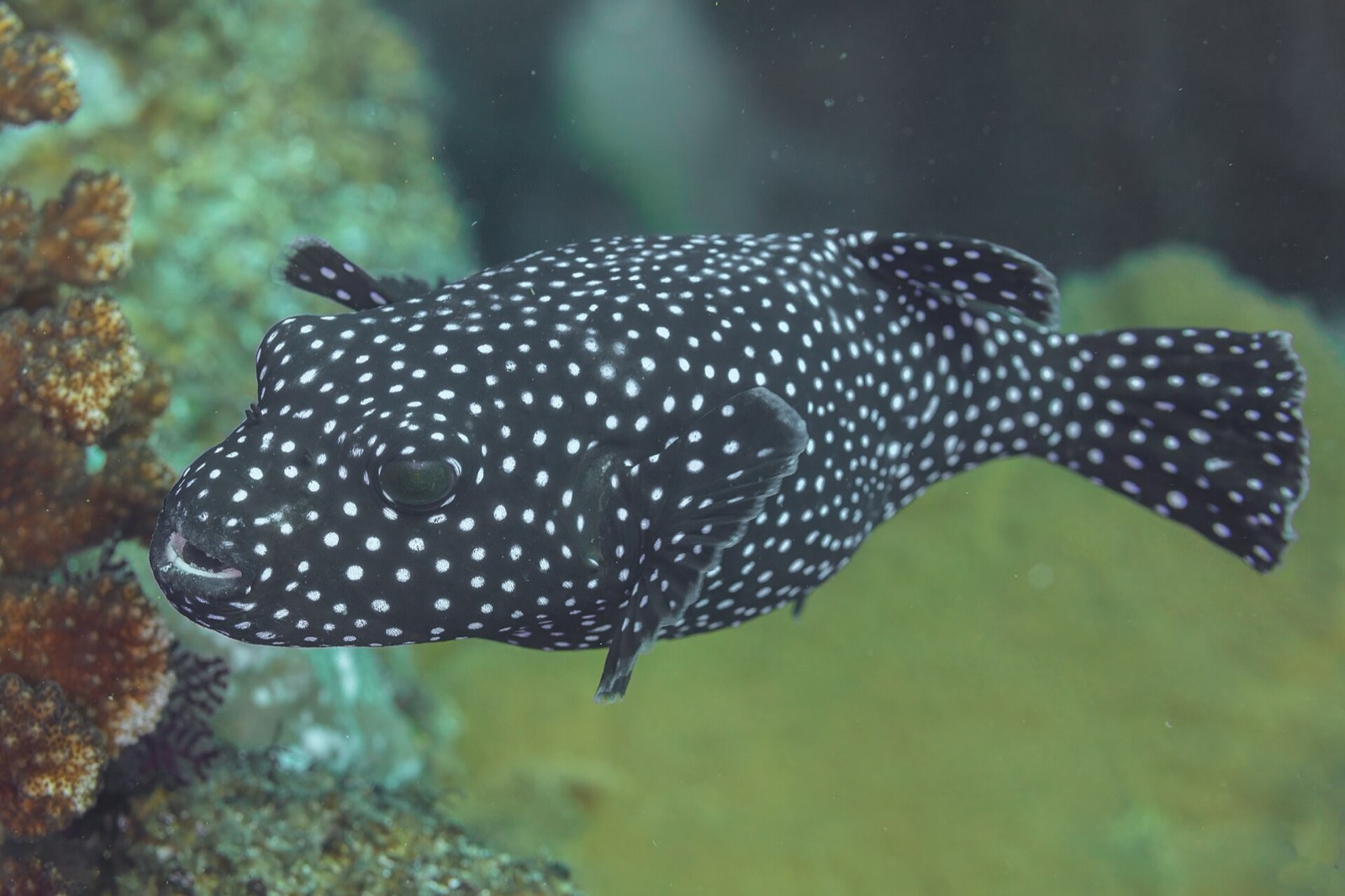
El Cantil: The longest continuous section of hard coral in the park. Depths run 15 to 50 feet, making it accessible for newer divers. Parrotfish, angel fish, triggerfish, and puffer fish are the common residents.
La Esperanza: A shallower site good for second dives, with brain coral formations and large schools of reef fish.
Certification-level dives are fine at most sites. El Bajo and the outer seamounts are better suited to intermediate or advanced divers given the depth and potential current.
Marine Life You’re Likely to See
The reef hosts more than 350 species of marine life. Common sightings across most sites and seasons:
- Bigeye trevally and jack crevalle in large schools (year-round, densest aggregations September through March)
- Mexican hogfish, king angelfish, Moorish idols, puffer fish, parrotfish
- Green sea turtles nesting on the beach from June through October; in the water year-round
- Sea lions from the Los Frailes colony (year-round, more playful in summer)
- Bull sharks (most reliably spotted October through January in cooler, clearer water)
- Nurse sharks resting under ledges (year-round)
- Hammerhead sharks passing through deeper sites (mostly summer months)
- Whale sharks sometimes spotted at the surface in fall (September through November)
- Manta rays in summer and fall when water temperatures peak
The sea turtle nesting season is worth knowing. From June through September, hawksbill and East Pacific green turtles nest on the beaches near the village at night. Nesting observation is managed by a local conservation group; if you’re staying overnight, ask your operator about joining a monitored watch.
Best Time to Visit
The reef is diveable year-round, but each season has tradeoffs.
November through April is peak season for visibility (60+ feet common) and more comfortable water temperatures for longer sessions (70–76°F). Gray whales pass through the Sea of Cortez during this period; some dive operators combine a whale watch with a reef dive on the same trip. This is the best time to visit Los Cabos overall, and the park sees its highest visitor numbers.
May and June are hot and dry, with warming water (low 80s°F) and good visibility. Fewer crowds. The road is at its best condition before the summer rains begin.
July through October brings the warmest water (80–85°F) and peak marine life density, including whale shark sightings, sea turtle nesting, and manta ray activity. The tradeoff is reduced visibility in some months and a rough road if there’s been rain. Hurricane season peaks August through October; check forecasts before making the drive.
Park Rules and Conservation
Cabo Pulmo is one of the most strictly regulated marine parks in Mexico, and the rules are enforced.
- Sunscreen: chemical sunscreen is prohibited in the water. You must use reef-safe mineral sunscreen (zinc oxide or titanium dioxide based). Operators will tell you this when you book; pack accordingly.
- No touching or standing on the coral. Even a brief contact can kill sections of reef that took decades to grow.
- No spearfishing, collecting, or taking anything from the park. This applies to shells on the beach.
- All dive and snorkel tours must be conducted through a permitted operator based in the village. You cannot anchor your own private boat in the reef area.
- Entry fees to the park are collected at the village entrance. Budget roughly $5–10 USD per person (fees are subject to change; confirm with your operator when booking).
The operators based in Cabo Pulmo are community-owned, local families who have lived here for generations. The protection of the reef and their livelihood are the same thing. Tips are appropriate and meaningful here in a way they sometimes aren’t at larger commercial operations.
What to Bring
- Reef-safe mineral sunscreen (bring from home; availability in the village is limited)
- Cash in pesos (ATMs are not in Cabo Pulmo; the nearest is in Los Barriles)
- A dry bag for your phone and any electronics in the boat
- A light windbreaker or quick-dry layer for the boat ride back (wind picks up in the afternoon)
- Snorkel gear if you have it, though operators rent everything you need
- Water and snacks for the drive; the village has a couple of small restaurants but no convenience stores
- A 3mm wetsuit in winter, thinner or none in summer
Pairing Cabo Pulmo with Other East Cape Stops
If you’re making the drive, consider spending two days in the area instead of rushing back the same night. Los Barriles, about 45 minutes north, has a growing strip of restaurants and beach hotels and makes a comfortable base. From there you’re positioned for early-morning dives before the wind picks up.
Two other day trips work well in combination with a Cabo Pulmo visit if you’re exploring the region: the todos santos day trip from cabo and the la paz day trip from cabo each offer a different angle on Baja’s Sea of Cortez coast. La Paz in particular, about two hours north of Los Barriles, has swimming with whale sharks and sea lion snorkel tours that pair logically with a Cabo Pulmo reef day.
Booking and Costs
Guided snorkel tours in Cabo Pulmo generally run $60–100 USD per person for a half-day guided tour including gear rental, depending on group size and the specific sites visited. Scuba dive packages (two-tank dives) tend to run $100–160 USD per person. These are estimate ranges; confirm current pricing directly with operators when you book.
Book ahead during high season (November through April). The number of permitted operators is deliberately limited, and the better slots fill up, especially on weekends when day-trippers from Los Cabos are making the drive.
The scuba diving and snorkeling activity page on this site covers options across all of Los Cabos, including the Corridor coves closer to the main hotel zone, if you want a quicker alternative when the East Cape drive doesn’t fit the schedule.
Cabo Pulmo takes a full day to do right. The drive, the dive, and the drive back are a commitment. It’s also the kind of place that people talk about for years afterward.