Overview
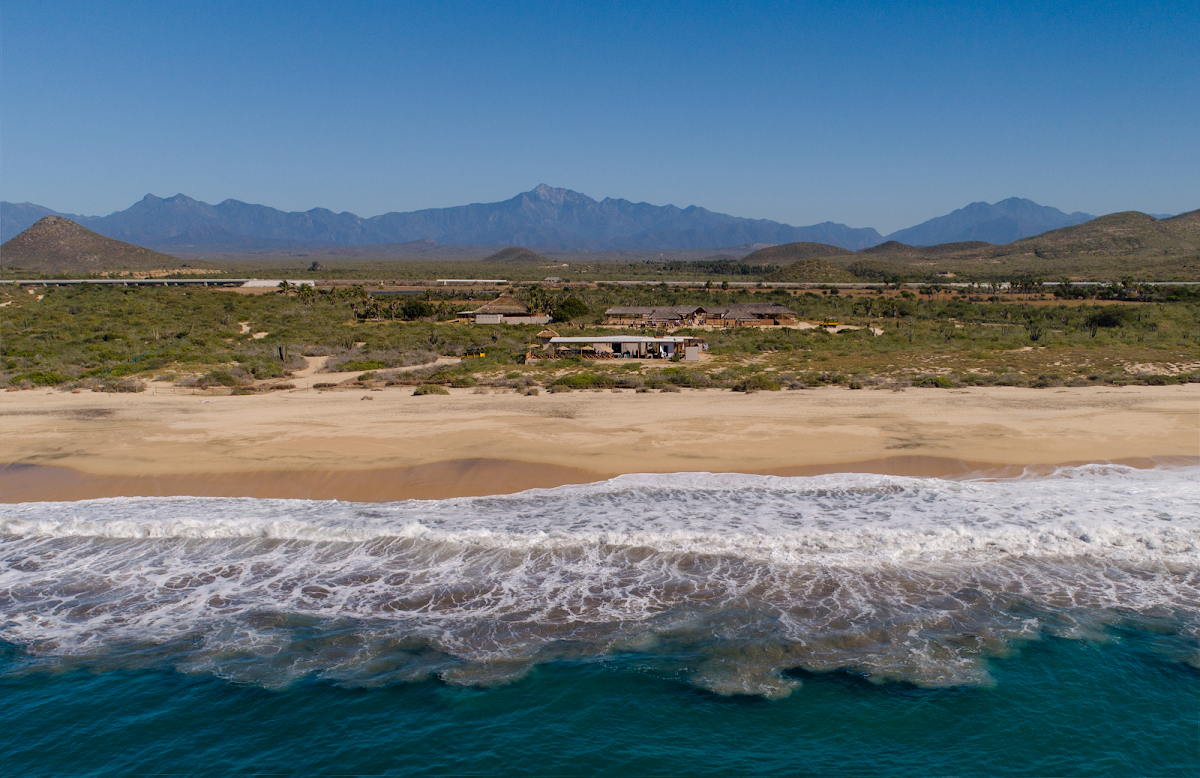
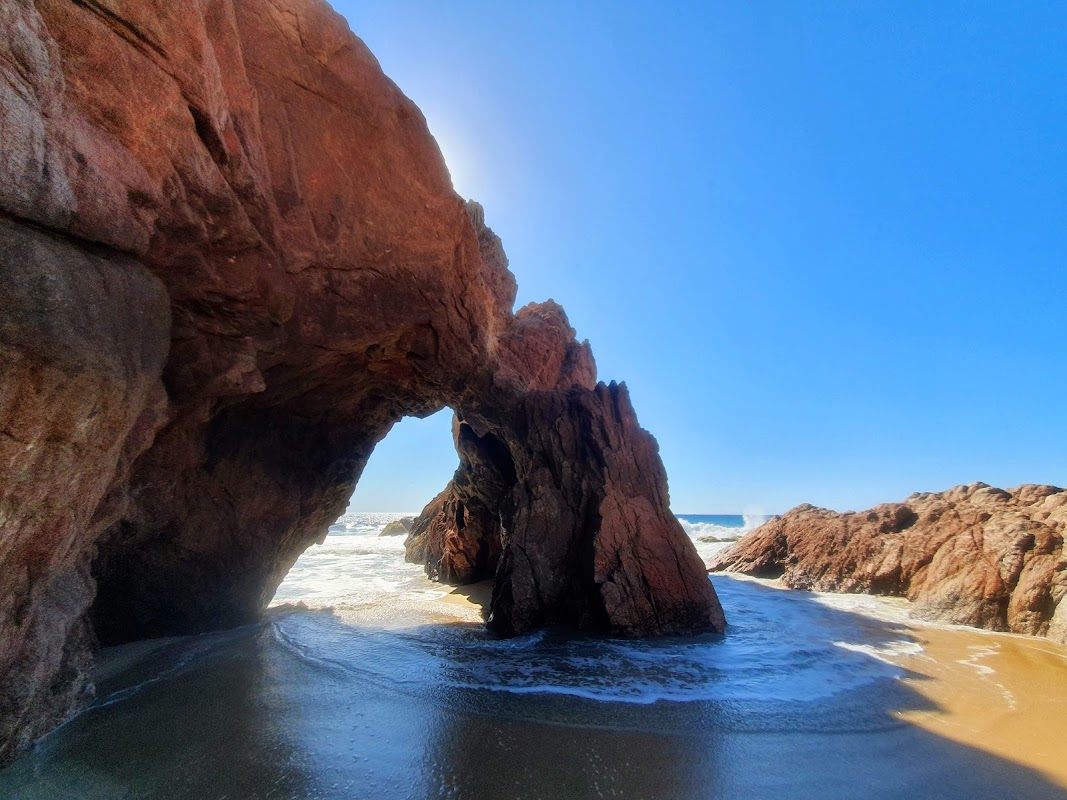
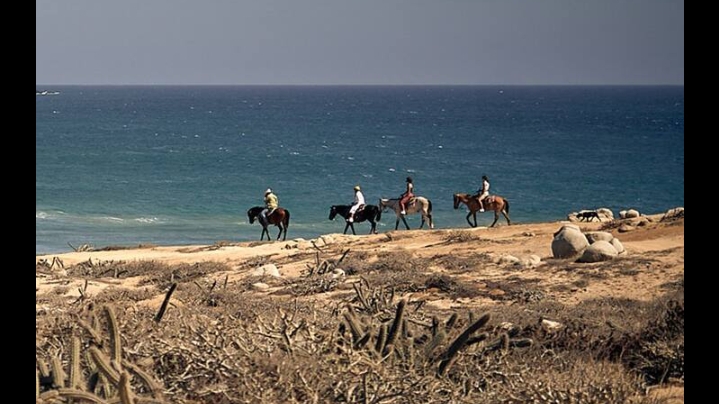
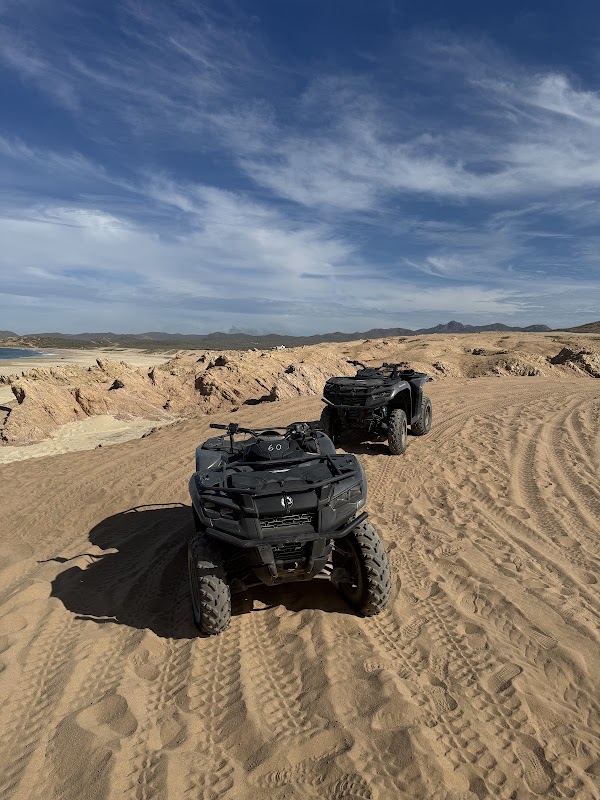
Los Cabos off-road tours concentrate mainly on the Pacific side of the peninsula, where the land opens up into wide desert plains, sandy dunes, and isolated coastline. The area around Migriño, roughly 30–40 minutes northwest of Cabo San Lucas on Mexico Federal Highway 19, is one of the most popular staging grounds. There, the trail systems cross open desert before dropping down to a stretch of Pacific beach where you can ride along the waterline with views of the dunes rising behind you. The Pacific here is not a swimming beach due to strong currents, but the scenery from the saddle of a quad is hard to beat.
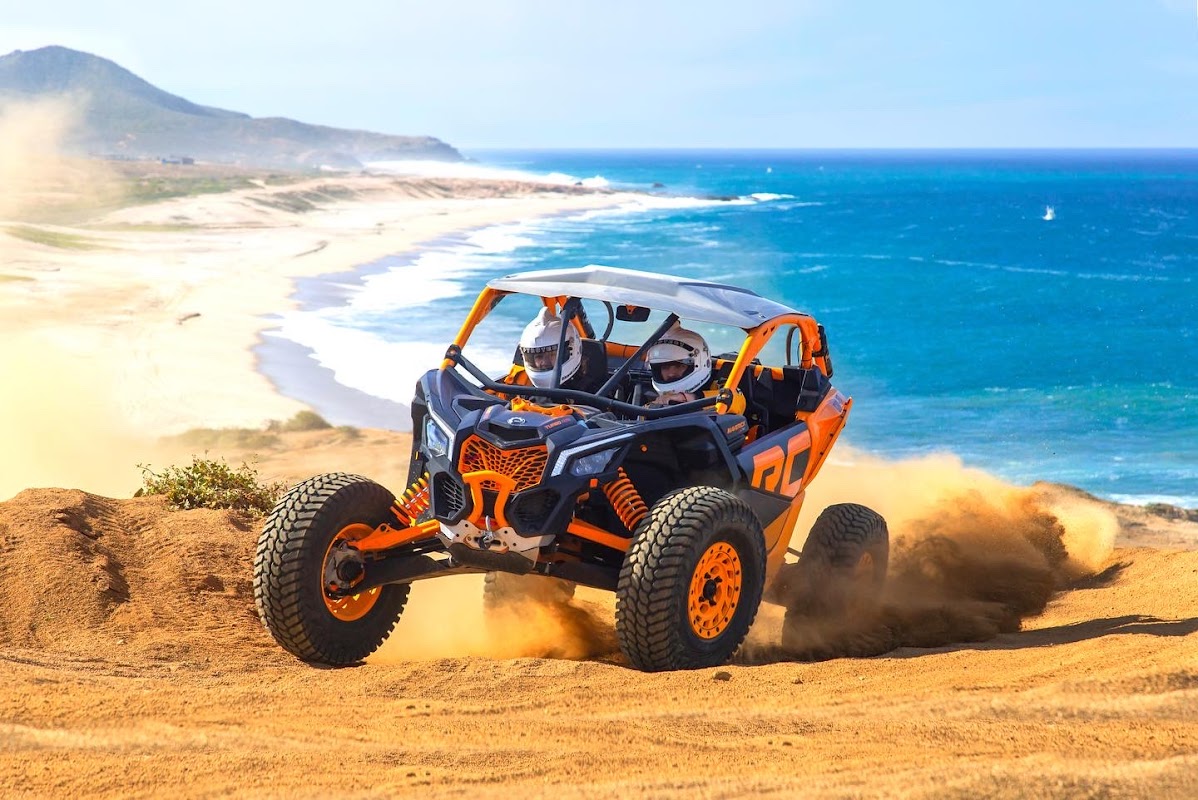
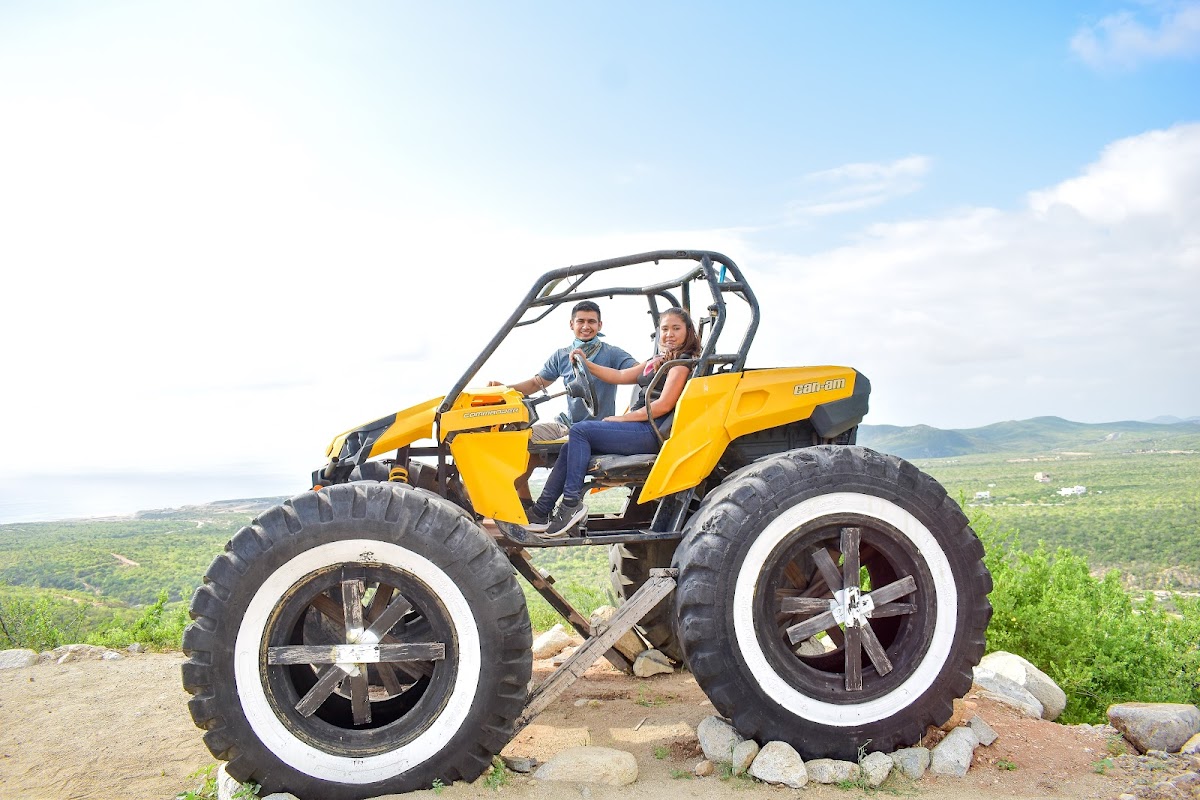
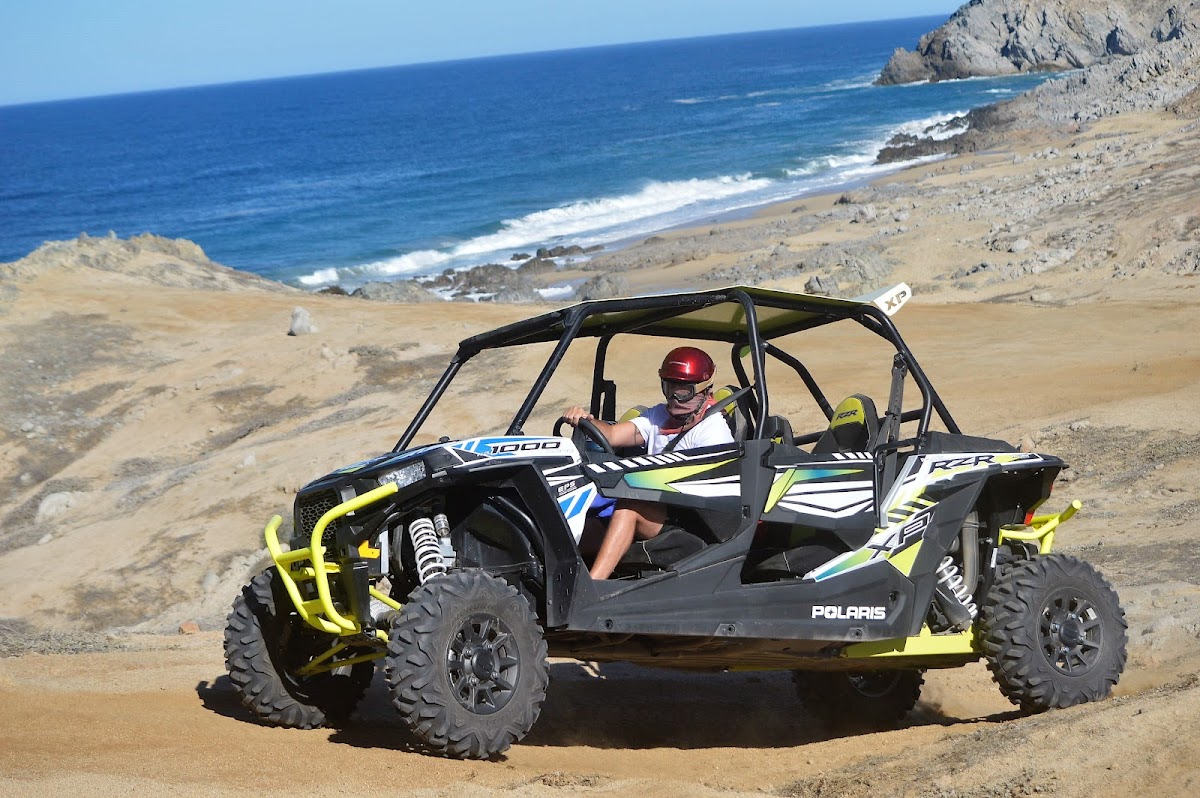
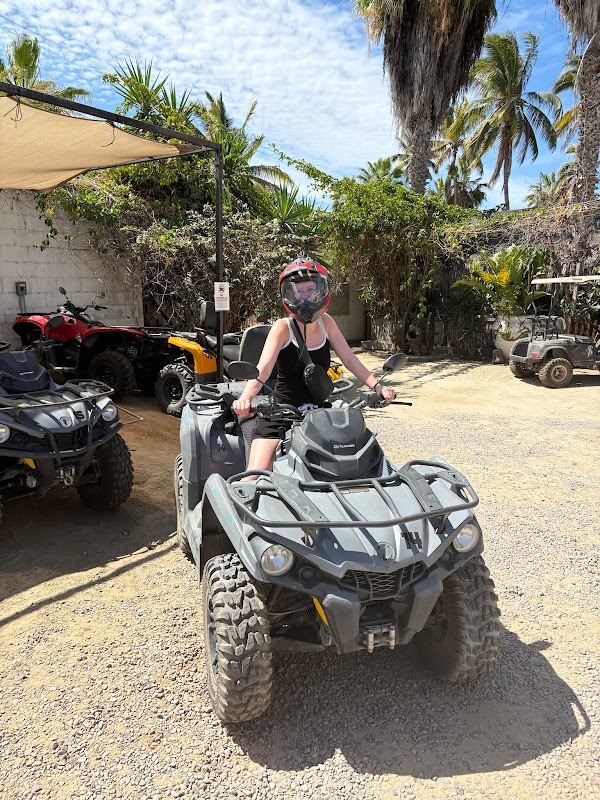
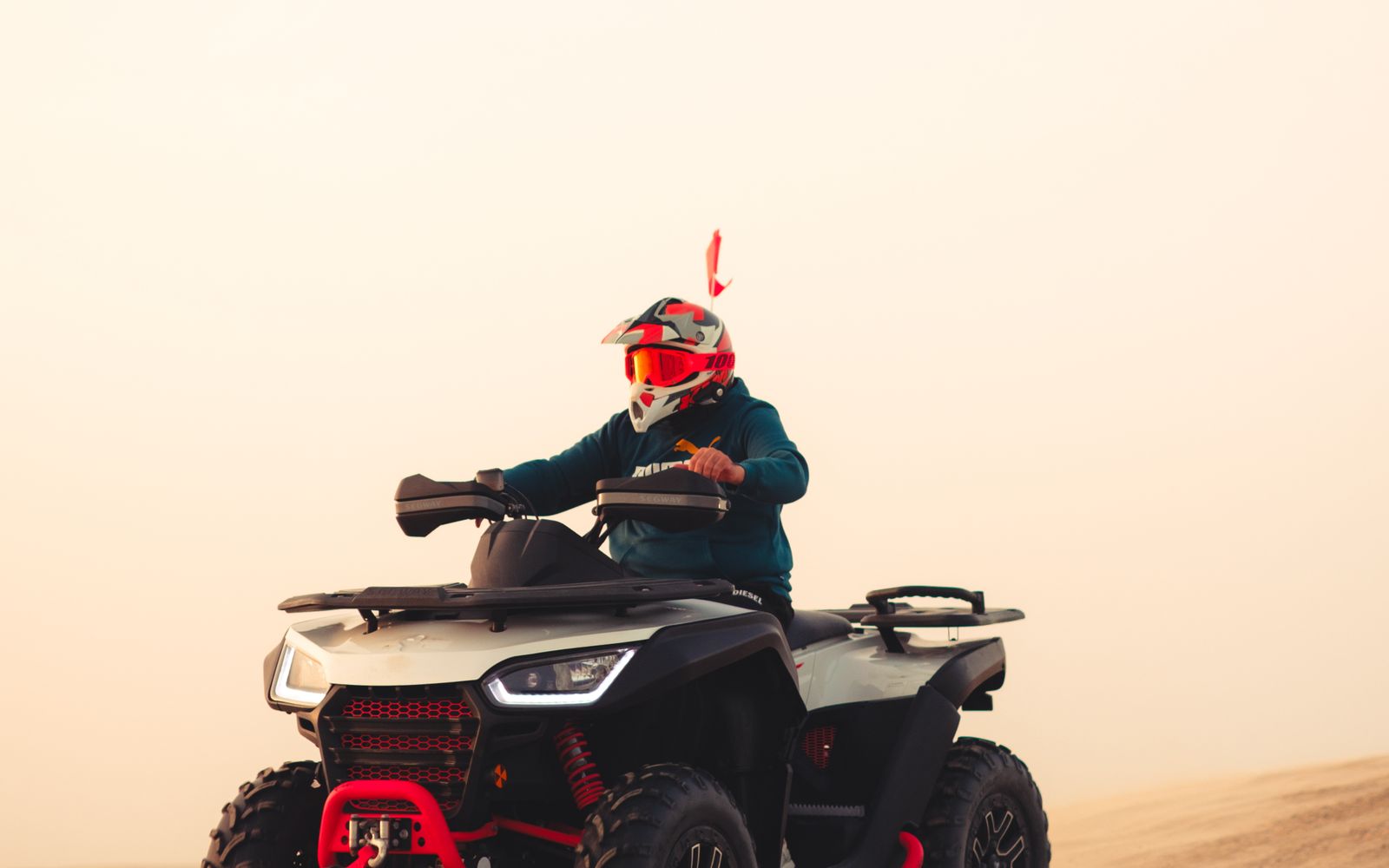
The vehicles fall into two categories. ATVs (quads) are single-rider or double-rider four-wheel machines that most operators accept beginners on after a short briefing. UTVs, sometimes called side-by-sides or RZRs (after the Polaris brand that dominates the local fleet), are two- or four-seat caged vehicles with a roll bar, steering wheel, and seatbelts. UTVs are the family-friendly option and give couples or small groups a shared cockpit experience. Most operators run both types and let you choose at booking. For family activities in Los Cabos, UTVs tend to work better because younger kids can ride as passengers without needing to operate the machine.
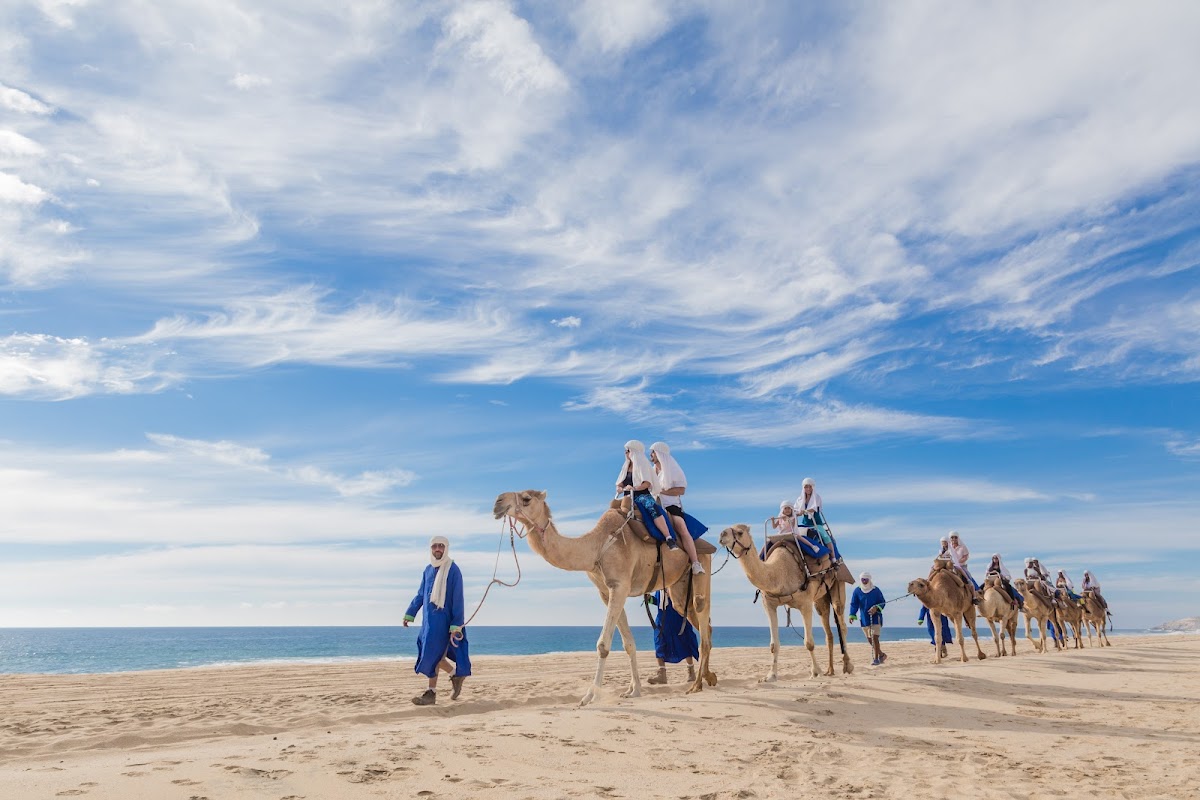
Combo tours are common here. Several operators pair an ATV or UTV run with a camel ride in the desert, a tequila tasting, or a stop at a local ranch. If you want to maximize the cultural layer of the experience, the ATV-plus-camel combo covers two activities that are genuinely unique to this stretch of Baja. See the full list on our things to do pages for how to stack your days.
What to expect
Most tours run as half-day outings. The active riding portion is typically 2.5 to 3 hours, with transport to and from the launch point built in on top of that. Hotel pickup is offered by most operators and is often included in the tour price, confirm when you book, since some list it as an add-on. Expect to leave the hotel early if you book a morning departure, usually between 7:30 and 9:00 a.m.
Book a morning tour over an afternoon one if you have the schedule flexibility. Midday temperatures in Los Cabos from May through October regularly reach 95°F (35°C) or higher, and riding through open desert with no tree cover makes the heat hit harder than it sounds. Morning tours run cooler, the dust settles faster when the air is calmer, and the light on the desert landscape is better for photos. From November through April, afternoon tours are more forgiving temperature-wise, but mornings are still the more comfortable choice.
The trails typically begin on packed dirt roads and transition through soft sand as you approach the coast. A guide leads the group and sets the pace. If your group is experienced, most operators will push the pace up on request. On shared group tours, the group size generally runs 6–12 riders. Private tours are available at a premium and worth considering for bachelor or bachelorette groups who want to move at their own speed without waiting on strangers.
If you want to see more of the Baja peninsula beyond the resort zone, pairing an off-road tour with a day trip or two rounds out the picture well. Our 3-day Cabo itinerary shows one way to build the schedule.
What to wear and bring
Wear closed-toe shoes, no exceptions. Sandals and flip-flops are not permitted on any reputable tour, and a few operators will turn you away at the vehicle if you show up in them. Sneakers or hiking shoes work well. Light athletic pants or jeans give your legs some protection from the sun and dust. Shorts are fine but you will come back gritty.
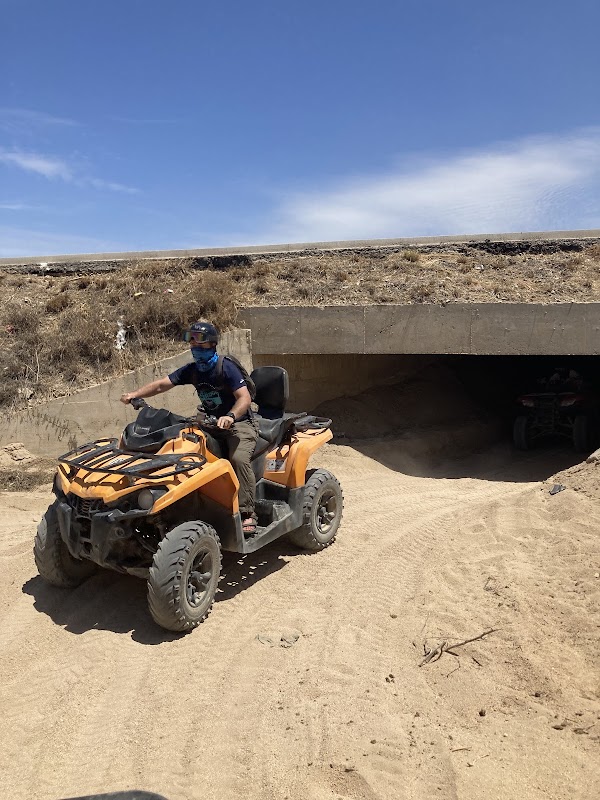
Bring a bandana, neck gaiter, or buff and wrap it around your nose and mouth on the trail. The dust on dry Baja desert roads is fine and gets into everything. Sunglasses are equally important, the guides often have goggles available, but if you wear prescription eyewear, your own glasses under a goggle frame are the better solution. Apply sunscreen generously before you leave the hotel because reapplying while riding is impractical.
Water is the most overlooked thing people forget. Some operators provide bottles, but bring your own regardless, at least a liter per person per hour of riding in summer months. Carrying valuables is discouraged since there is no lockable storage on most quads, so leave jewelry and extra cash at the hotel. A phone in a zippered chest or hip pocket is fine for photos, but camera lenses and open bags pick up more dust than most people expect.
Typical prices
Guided ATV tours in Los Cabos generally run $90–$150 USD per person for a single rider on a quad. Double riders on a shared quad (two people, one machine) often see a slight per-person discount. UTV and side-by-side tours tend to price slightly higher, usually $120–$180 USD per vehicle for a two-seat unit, which makes them cost-competitive for couples compared to two separate ATV tickets.
Combo tours that bundle an ATV run with a camel ride or tequila tasting typically fall in the $150–$220 USD range per person depending on what is included. Private tours for groups, where you get exclusive use of the vehicles and guide, add a premium over shared group pricing, often 30–50% more. Hotel pickup, bottled water, and a basic safety briefing are generally included in the listed price; confirm what is covered when comparing operators.
Children's minimum age and size requirements vary. Most operators require riders to be at least 8–10 years old to ride as a passenger in a UTV, and many set a minimum age of 16 to operate a quad independently. A valid driver's license is usually required to drive any vehicle. When booking for a mixed group with younger kids, check the operator's specific age and height cutoffs before you pay, since policies differ.
For help thinking through the overall cost of activities against your trip budget, the Tour Operators directory lists local companies with contact information where you can get current rates directly.
How to book
Most tour operators offer online booking through their own websites or through third-party activity platforms. Booking 48–72 hours in advance is sufficient during the shoulder season (May through October), but in peak season from December through March, popular morning slots fill up faster and a week's lead time is safer. If you are traveling over a US holiday week, especially Thanksgiving, Christmas, or spring break, book before you leave home.
Your hotel concierge can arrange most ATV tours with a commission added to the price. Going direct to the operator saves that margin and often gets you better communication before the day. For current options, the Tour Operators directory on this site lists licensed operators by category.
Cancellation policies vary. Rain cancellations are rare in Los Cabos given the dry climate, but wind can occasionally ground tours on the Pacific dunes. Reputable operators will reschedule or refund weather cancellations. Read the cancellation terms before you pay, particularly if you are booking for a large group where the full refund window matters. For the broader adventure picture in Los Cabos, the 3-day itinerary and the best things to do for couples page both put ATV tours in context alongside the region's other land and water activities.
Frequently asked questions
Do I need experience to ride an ATV in Los Cabos?
No prior off-road experience is required. Every guided tour starts with a safety briefing and a practice run in a flat area before you head out on the trail. ATVs on guided tours are set up for beginner-friendly operation, automatic transmission, hand-controlled throttle, and straightforward braking. If you have never ridden, mention it when you book and the guide will walk you through the basics. UTVs are even more beginner-friendly since they operate like a car with a steering wheel and pedals.
What is the difference between an ATV and a UTV for this type of tour?
An ATV (all-terrain vehicle or quad) is a straddle-style four-wheel vehicle that one or two people ride like a motorcycle. You lean and balance on it. A UTV (utility task vehicle) or side-by-side is a seated vehicle with a roll cage, steering wheel, seatbelts, and two to four bucket seats. UTVs feel closer to driving a go-kart and are the better fit for families with kids, couples who want to ride together, or anyone who is not comfortable on a motorbike-style machine. ATVs are generally considered more engaging for solo riders who want a more physical ride. Both types cover the same Migriño desert and beach routes.
Is the Migriño area the only place to do ATV tours near Cabo?
Migriño on the Pacific side is the most established and commonly offered location for ATV and UTV tours from Cabo San Lucas, with dunes, desert terrain, and a Pacific beach section that most operators use. Some operators run routes through different desert areas in the foothills above the Tourist Corridor. If a specific terrain type or beach access matters to you, ask the operator where exactly the tour runs before booking.
Is hotel pickup included in the tour price?
Most ATV and UTV tour operators include hotel pickup and drop-off from the Cabo San Lucas and Tourist Corridor hotel zones. Pickup from San José del Cabo may incur an additional transfer fee with some operators. Confirm at booking, especially if you are staying further from Cabo San Lucas, since the pickup logistics affect what time you need to be ready and what the total cost looks like.
When is the best time of year to go ATV riding in Los Cabos?
November through April is the most comfortable window. Daytime temperatures run 75–85°F, the dust is manageable, and the desert terrain is often firmer from seasonal moisture earlier in the year. May and June are hot and dry, making early morning tours the only comfortable option. July through October brings summer heat and humidity, and while tours still run, the 7:00–8:00 a.m. morning departures are the only ones worth considering. The upside of summer riding is fewer crowds, peak season tours can book up fast.