Why visit
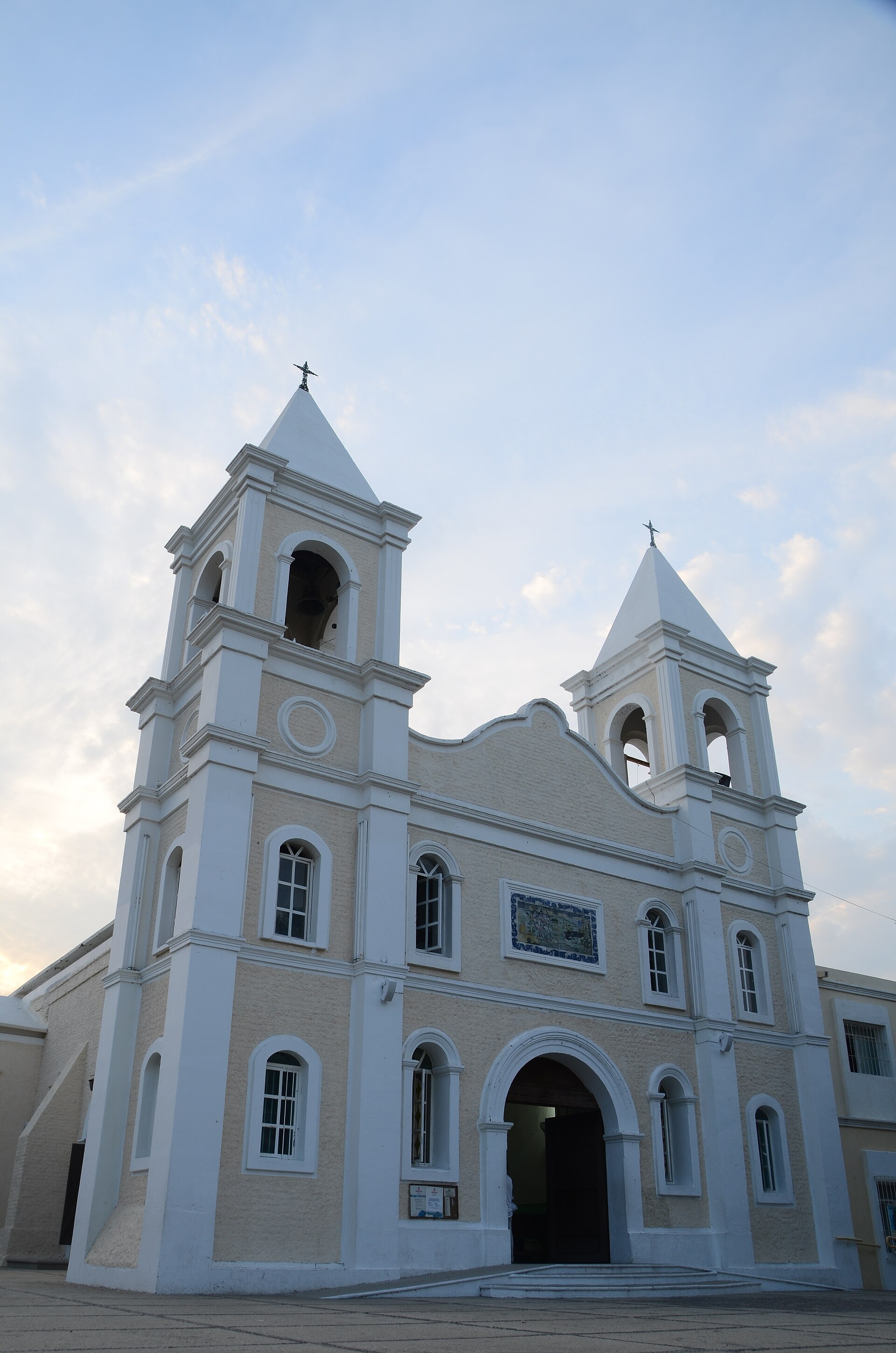
San José del Cabo operates at a different pace than its western neighbor. The downtown core, anchored by the Iglesia San José and the main plaza, is genuinely walkable. Street food vendors set up near the jardín on weekend evenings, and the Art District a few blocks east draws serious collectors alongside curious first-timers. It is the kind of place where you can spend a morning wandering galleries and an afternoon on a quiet beach without renting a car.
The town sits about 20 to 30 minutes from Los Cabos International Airport (SJD), making it the easiest base if your flight lands late or departs early. Unlike Cabo San Lucas, there is no neon-lit marina strip here. The draw is a more curated version of Baja: independent restaurants sourcing from local farms, small boutique hotels inside historic buildings, and a surf scene that has its own distinct identity from the waves that define the coastline just south of town.
If you are weighing the two towns against each other, the Cabo San Lucas vs. San José del Cabo comparison lays out exactly who each one suits best. For most couples, families, and travelers who care about food and art as much as beach time, San José tips the balance.
Best beaches
Palmilla Beach is the standout for families and anyone who wants genuinely calm, swimmable water near town. Sheltered by a headland near the Palmilla marina, this stretch sees far less wave action than the Pacific-facing beaches along the coast. Facilities are limited at the public access point, so bring what you need. Nightly room rates at the resort properties above the beach run $600 to $1,500+, but beach access itself costs nothing from the public entry.
Costa Azul and Zippers sit just south of San José and make up the surf hub for the entire region. Zippers is the most consistent break, a right-hander that works best on south swells; The Rock is a more powerful reef option for experienced surfers. Summer months, roughly May through October, deliver the south swells that turn this stretch on. If you are driving from downtown, it is a 10-minute trip south on the Transpeninsular Highway.
Acapulquito, also called Old Man's, is the beginner-friendly break in front of Cabo Surf Hotel. The wave here is slower and more forgiving than Zippers, and surf schools operate directly on the beach, with board and lesson packages generally running $60 to $100 per person for a two-hour session. Note that swimming conditions at Costa Azul and Acapulquito depend on swell and current, and neither is a calm swim beach. For a full rundown of where you can get in the water safely, the best beaches guide covers every option across Los Cabos with swimmability flags.
One detail most visitors miss: a small estuary sits just east of the main Costa Azul beach access. It is a protected wetland and a decent birdwatching spot, with herons, egrets, and the occasional osprey visible from the road, especially in the early morning hours.
Top things to do
Thursday Art Walk: The Gallery District comes alive on Thursday evenings from roughly November through June. A loose circuit of 10 to 15 galleries opens their doors, often serving wine and mezcal, while artists circulate and visitors move between spaces at their own pace. It runs from approximately 5 to 9 p.m. There is no ticket and no formal start point, just show up downtown and follow the lights. This is the single best insider reason to time your San José stay around a Thursday.
Surfing at Costa Azul: Whether you are picking up a board for the first time at Old Man's or know what you are doing and want a few days at Zippers, the surf scene here is well-organized. Several surf schools operate out of Cabo Surf Hotel and along the beachfront road. More information on breaks, conditions, and lesson operators is on the whale watching and activity pages. If waves are your priority, plan your trip for May through October for the best south swells.
Whale watching: San José sits inside the seasonal migration corridor for gray whales and humpbacks. From mid-December through mid-April, whale watching tours depart from La Playita, the small fishing harbor just east of the estuary. Most trips run two to three hours and cost $65 to $100 per person. Humpbacks are the more acrobatic of the two species, and both are reliably present through early March.
Dining and the farm-to-table scene: San José has a genuinely strong restaurant scene for a town its size, with several kitchens sourcing directly from the organic farms in the valley east of town. The Corridor between San José and Cabo San Lucas adds high-end resort dining options within 20 minutes. For a curated list across price points and categories, the best restaurants guide covers the full Los Cabos region.
- The San José estuary: A protected wetland adjacent to the beach, best for birdwatching at dawn or dusk.
- Surf lessons: Old Man's beach runs beginner sessions year-round; best conditions May to October.
- Art galleries: The Art District concentrates near Obregón and Zaragoza streets; open daily, but Thursday evenings are the main event.
- Day trips: San José is the most convenient jumping-off point for the East Cape, Cabo Pulmo, and La Paz, all reachable in under three hours by car.
Where to stay
The lodging landscape here skews toward boutique hotels in the historic downtown, larger beach resorts on the Palmilla strip, and a handful of all-inclusive properties along the Corridor just west of town. If proximity to the Art District and walkability to restaurants matter, a downtown boutique hotel is the right call. Rates at well-positioned properties in the historic center typically run $150 to $400 per night in peak season (November through April).
For families or travelers who want a pool, beach access, and on-site amenities, the properties along Palmilla Beach are a step up in price but deliver a more self-contained experience. The One&Only Palmilla is the marquee name here, with nightly rates that reflect it. Mid-tier resort options exist along the Palmilla strip for $350 to $700 per night in peak.
If you are undecided between San José and Cabo San Lucas as a base, the where to stay by area guide compares each zone against traveler type, budget, and priorities. The short version: San José is the better base if you want art, quiet beaches, and airport convenience; Cabo San Lucas makes more sense if nightlife, the marina, and El Arco are central to your trip.
Getting there and around
Los Cabos International Airport (SJD) sits inside San José del Cabo, about 20 to 30 minutes from the town center depending on traffic. This makes San José the most convenient arrival point in all of Los Cabos, especially for early-morning check-ins or late-night landings.
Important: Do not count on Uber at SJD. The app does not reliably connect at the airport, and getting stranded with luggage after a red-eye is a common complaint. Book a prepaid shuttle or private transfer before you land. Shared shuttles run $20 to $35 per person one-way; private vehicles cost $50 to $90 for up to four passengers. Rates vary by operator, so confirm pricing when booking.
Within San José, the historic center is compact enough to walk. For the beaches at Costa Azul and Acapulquito, a taxi or rental car is the practical option, about 10 minutes south on the Transpeninsular. Rental cars are worth it if you plan to explore the Corridor, Todos Santos, or the East Cape on your own schedule. Taxis between downtown and the beach strip typically run $8 to $15 depending on the driver and time of day.
Currency note: USD is accepted at most hotels and tourist-facing businesses, but you get meaningfully better value paying in Mexican pesos, especially at restaurants and local shops. Pull pesos from an ATM in town rather than exchanging at the airport.
Best time to visit
Peak season runs November through April. Daytime highs settle in the mid-70s to low 80s Fahrenheit, skies are nearly always clear, and humidity stays low. This is also when the Art Walk is most active, whale season is running (mid-December through mid-April), and the town fills with US visitors escaping winter. Expect higher nightly rates and advance booking requirements for good properties during this window.
Surf season runs counter-intuitively to the beach-weather calendar. South swells that power Zippers and Old Man's arrive from May through October, peaking July through September. Temperatures during these months sit in the upper 80s to low 90s Fahrenheit with higher humidity. Hurricane season runs July through October, though direct landfalls in Los Cabos are rare. If waves are your primary motivation, summer is when San José's beaches earn their reputation.
May and June offer a sweet spot that experienced travelers use to their advantage: the south swells start coming in, summer rates apply at most hotels ($100 to $200 per night less than peak at many properties), and the heat is not yet at its most oppressive. The Art Walk ends in June, so factor that in if it is on your list.
For a detailed month-by-month breakdown of conditions across the whole Los Cabos region, the best time to visit Los Cabos guide covers weather, crowds, rates, and seasonal activities in full.
Frequently asked questions
Is San José del Cabo better than Cabo San Lucas?
It depends on what you are after. San José is quieter, more walkable, and closer to the airport. It suits couples, art travelers, surfers, and anyone who wants a more local feel. Cabo San Lucas has the marina, El Arco, more nightlife, and the widest range of water tours. Many visitors split their time between both, since they are only 20 to 25 minutes apart by car or taxi.
What is the Thursday Art Walk in San José del Cabo?
The Thursday Art Walk is an informal gallery circuit that runs on Thursday evenings from roughly November through June, typically 5 to 9 p.m. About 10 to 15 galleries in the Art District open their doors, serve drinks, and often host the artists whose work is on display. There is no ticket or formal route. It is one of the best free things to do in Los Cabos and a good reason to plan at least one Thursday night in San José.
Are there swimmable beaches in San José del Cabo?
Yes, but your options are more limited than in Cabo San Lucas. Palmilla Beach is the main calm, family-friendly option near town with protected, swimmable water. Costa Azul and Acapulquito (Old Man's) are surf beaches where conditions vary with swell and current, so they are not reliable swim spots. For a complete list of swimmable beaches across Los Cabos, check the best beaches guide.
How far is the airport from San José del Cabo?
Los Cabos International Airport (SJD) is approximately 20 to 30 minutes from the San José town center, making it the closest major town to arrivals. Book a prepaid shuttle or private transfer before you land since Uber is not reliably available at SJD. Shared shuttles typically run $20 to $35 per person; private vehicles cost $50 to $90 for up to four passengers.
When is surf season in San José del Cabo?
The primary surf season runs May through October, driven by south swells from the Pacific. July through September tends to produce the most consistent and powerful waves at Zippers and The Rock. Beginner-friendly conditions at Old Man's (Acapulquito) are available year-round, but south swell season is when the break is most active. If big waves are not your goal, the November through April dry season is the more comfortable time to visit.