Is it swimmable?
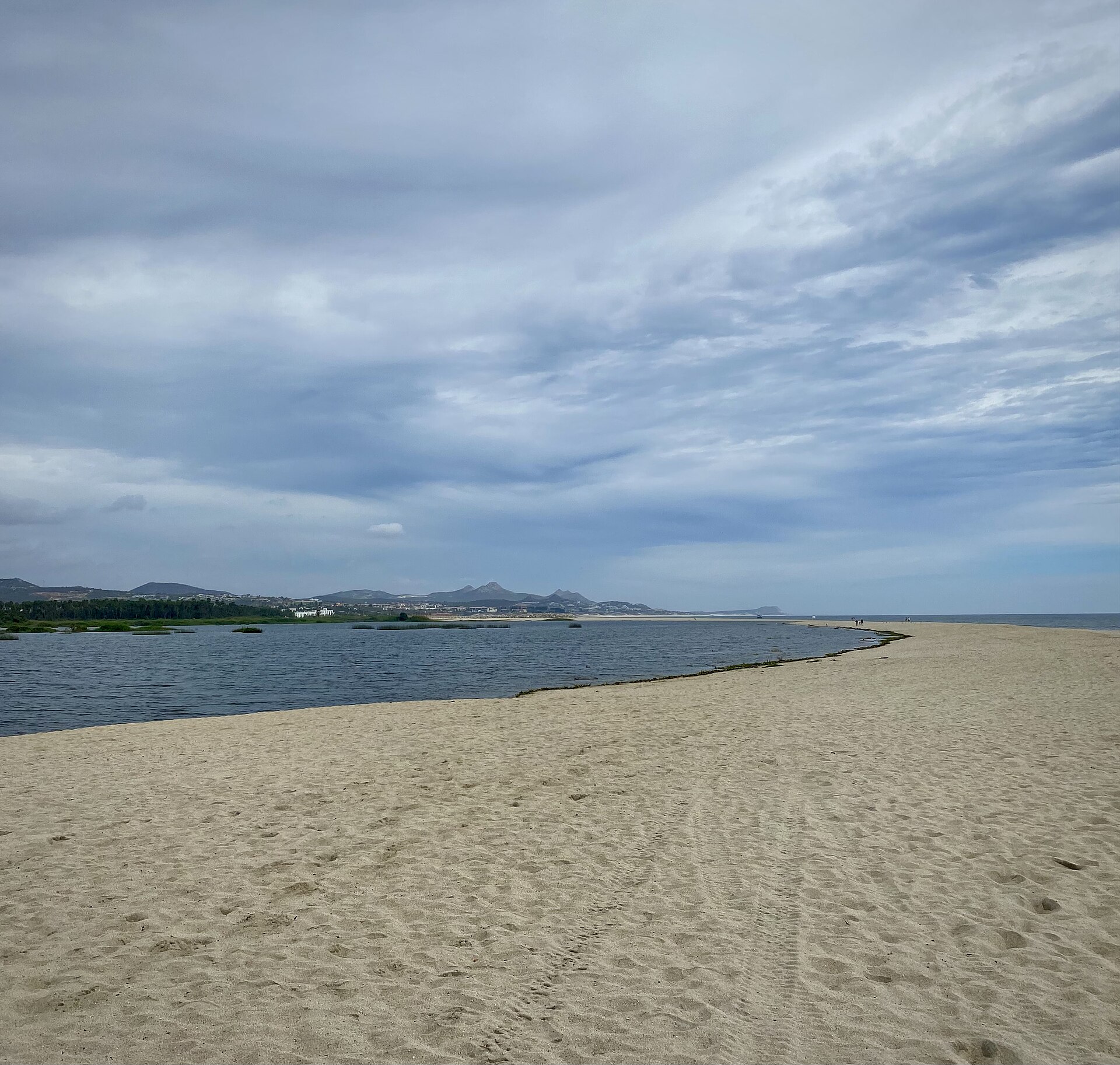
Costa Azul is swimmable under the right conditions, but the default answer for most visitors is no. The beach faces southwest toward the Pacific and receives consistent swell, which generates the shore break and rip currents that make casual swimming risky. Even on smaller days the water moves with enough force to catch an unprepared swimmer off guard.
The flag system at Costa Azul operates like other Los Cabos beaches: green means calm conditions, yellow signals caution, red means stay out. Green and light-yellow days do occur, particularly in the winter months when smaller northwest swells arrive, and on those days the water is manageable for confident adult swimmers who respect the shore break. If the flags are red or if there is any visible swell, treat this beach as surf-viewing territory rather than a place to get in the water.
Families with young children should plan their swimming at a protected cove. Chileno Bay and Santa Maria, both a short drive west along the Corridor, offer calm, clear water with lifeguards and beach facilities. If you are based in San José and want a beach within walking distance for the kids, Palmilla Beach is your closest safe option.
For a broader look at where to swim and where to watch, check the best beaches guide covering every major Los Cabos shore.
What to expect
The Costa Azul stretch of coastline runs for roughly a kilometer along the south edge of San José del Cabo. The beach itself is wide, sandy, and backed by a low bluff where Highway 1 passes close enough that you can hear the traffic. The sand is coarse and golden, the water a deep blue-green. On any day with swell, you will see surfers in the lineup from the moment you arrive.
Zippers is the name that gets used most often for the main break here, and it earns the name. The wave breaks over a reef shelf and produces a fast right-hand barrel on larger swells, typically 6 feet and up. Intermediate to advanced surfers are the right audience for Zippers. Beginners trying to paddle out on a solid swell day will get worked.
The Rock is a left-hand break further along the point, typically picked up by surfers who want something different from the Zippers crowd. Old Man's, which shares its name with the beginner-friendly break at Acapulquito a short distance up the Corridor, breaks closer to shore and moves more slowly. On smaller days it is genuinely workable for newer surfers, though most beginners are better served at Acapulquito, which has more consistent mellow conditions.
The beach has minimal infrastructure. There are no palapas for rent, no beach club with chairs and servers, and no formal lifeguard post at the main surf area. What you will find: a few surf shops and rental operations near the Hotel Finisterra Costa Azul property, roadside parking, and the kind of low-key scene that surfers prefer. The Cabo Surf Hotel sits just to the northwest at Acapulquito and runs surf lessons and gear rentals that serve both breaks.
Surf in Los Cabos is year-round. Summer months, roughly June through October, bring south and southwest swells generated by Pacific storms and the remnants of tropical systems, and this is when Costa Azul produces its most powerful and consistent surf. Swell heights can reach 8 to 12 feet on the face during peak hurricane-season pulses. Winter months bring smaller, cleaner northwest swells that are better for intermediate surfers. For a full look at what surfing in Los Cabos involves across the season and all the breaks, that guide covers the details.
Getting there and parking
Costa Azul is about 3 kilometers south of the San José del Cabo town center, right along Highway 1 as it curves toward the Corridor. The drive from downtown San José takes under 10 minutes. From the SJD airport, figure about 20 minutes depending on traffic. From the Corridor hotels, 15 to 25 minutes depending on where you are staying.
Roadside parking is available along the highway shoulder. There is no formal lot, no fee, and no attendant. Pull off on the ocean side of the road where others have parked and you will be in the right place. Arriving in the morning on surf days means more competition for the better spots but the area rarely fills beyond capacity for parking.
Ride-share via Uber operates in the San José area and can drop you at Costa Azul, though pickup after your session may take longer than in town. Taxis from the hotel zone are a reliable option. If you are staying in Cabo San Lucas, renting a car for the day makes the most sense for combining Costa Azul with other Corridor stops.
Best time to go
For surfing, June through October is the power season. South swells during the summer and early fall light up Zippers with the heaviest and most consistent waves of the year. The tradeoff is heat and humidity: daytime temperatures run into the mid-90s Fahrenheit, and the water is warm, hovering between 80 and 85 degrees, so you can skip the wetsuit. August and September carry hurricane risk for the broader region, but swells from tropical systems also produce some of the best surf of the year.
November through March is smaller but cleaner. Northwest groundswells arrive with good shape and less crowd pressure than the summer peaks. Temperatures drop to comfortable levels, usually in the low 80s during the day, and the water cools to the mid-70s. A shorty wetsuit is a good call from December through February if you plan extended sessions.
For non-surfing visitors, any calm morning is a good time to walk the beach and watch from shore. The early hours before wind picks up tend to offer cleaner conditions in the water and better light for photography.
April and May are a transitional window: the winter crowds have thinned but summer swells have not yet built. Surf is inconsistent but the weather is excellent for beach visits without the full summer heat.
Good to know
Board rentals are available near Costa Azul, with soft-top boards running roughly $20 to $40 per day and higher-performance shapes available for experienced surfers. Surf lessons at nearby operations start at approximately $60 to $90 per person for a two-hour session. Prices are estimates and vary by operator and season.
The water at Costa Azul can have strong lateral currents even on smaller days. If you are paddling out and feel yourself drifting along the shore faster than expected, work your way out of the current rather than fighting it directly. Experienced surfers know this; if you are newer to the ocean and to this break, spending time at Acapulquito first is the smarter call.
There are no food or drink vendors on the beach. Bring water, especially for summer sessions when dehydration is a real risk in the heat. San José del Cabo has plenty of restaurants, cafes, and grocery options a short drive away.
Reef shoes or booties are worth having if you plan to paddle out over the reef section near Zippers. The reef is live rock and it is shallow on the inside at lower tides. Cuts from reef contact are common among surfers who are not paying attention to the tide cycle.
Highway 1 runs directly behind the beach with no barrier. When walking from your car to the sand, cross carefully. It is a two-lane road with traffic moving at 70 to 80 kilometers per hour.
Frequently asked questions
Can beginners surf at Costa Azul?
On very small days at the Old Man's section, yes. But most of the time Costa Azul is better suited for intermediate to advanced surfers. Beginners are better served at Acapulquito (Old Man's), a short drive away, where the break is more forgiving and lessons are available. The Cabo Surf Hotel at Acapulquito runs structured lessons for newer surfers.
Is Costa Azul safe for swimming?
Only on calm days, and you should check the flag system before getting in. Most days at Costa Azul bring enough swell and current to make casual swimming risky. If you want a reliable swimming beach near San José del Cabo, Palmilla Beach is a better choice. Chileno and Santa Maria on the Corridor are the best protected options in the broader area.
What is the best swell season at Costa Azul?
June through October is the peak surf season, with south and southwest swells from Pacific storm activity and the edges of tropical systems producing the biggest and most consistent waves. Zippers can hold 8-foot-plus faces during solid summer swells. Winter months bring smaller but cleaner northwest swells, which are better for intermediate surfers.
Is there parking at Costa Azul?
Yes, informal roadside parking along Highway 1 adjacent to the beach. There is no lot, no fee, and no attendant. Space is generally available but the shoulder fills up on popular surf days. Arrive early for the best spots.
How far is Costa Azul from the San José del Cabo hotel zone?
About 3 kilometers south of downtown San José, roughly a 10-minute drive. From the Corridor hotel strip it is 15 to 25 minutes depending on your starting point. The SJD airport is about 20 minutes away.