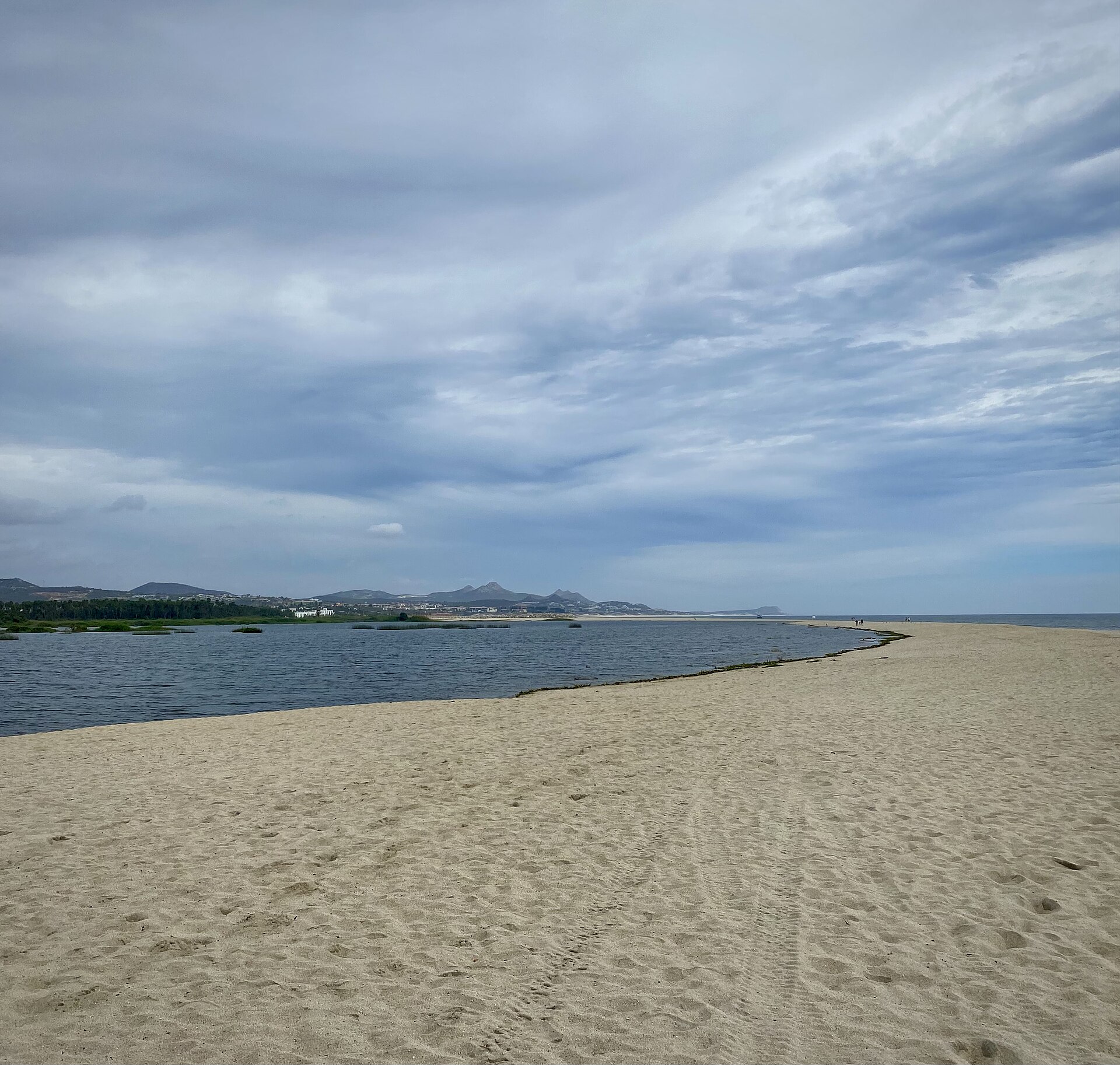
Is it swimmable?
Acapulquito is a surf beach, and swimming here depends entirely on conditions. On small, calm days when the swell is under 2 feet, the water near shore is manageable for confident swimmers who know how to read the ocean. Most days, though, this is not a designated swimming beach. The beach faces the Pacific, which means real surf energy: shore break, lateral drift, and occasional rip currents that form near the rocky outcroppings on either side of the main break.
The color flag system is your reference point. A green flag means relatively calm conditions are safe for most beachgoers; yellow means caution and strong swimmers only; red means stay out. These flags are displayed at the beach when staff from the Cabo Surf Hotel are present. Outside of staffed hours, treat conditions conservatively. If you want reliable, calm water for swimming, Palmilla Beach is about 10 minutes up the Corridor and is consistently protected.
For surfing, Old Man's is genuinely one of the better beginner and intermediate breaks in the Los Cabos area. The wave breaks slowly and at an angle, giving riders time to find their feet and make a few turns before it closes out. More experienced surfers also come here on days when the swell is pushing 4 to 6 feet, because the break can produce longer rides than the faster, hollower waves at nearby Zippers. See the Surfing guide for a full breakdown of the Los Cabos breaks.
What to expect
Acapulquito is a medium-length stretch of dark golden sand bordered by volcanic rock on both ends. The beach itself is wider than it looks from the road, and at low tide a broad flat section forms near the water that is good for walking. The sand is coarser than the powdery stuff you'll find at resort beaches, and the shore break hits with enough force that you want solid footing when you step in.
The Cabo Surf Hotel anchors the north end of the beach and is the main point of contact for surf lessons and board rentals. Lessons here typically run around $60 to $90 per person for a 90-minute session, including a board and instruction in the water. Board-only rentals run roughly $25 to $40 for two hours. These are estimate ranges; confirm current pricing directly with the hotel. The hotel's beachfront cafe, Seven Seas Restaurant, serves food and drinks to hotel guests and the public, so you can grab a cold drink or lunch without packing everything in.
The beach does not have public restrooms or a formal parking lot separate from the hotel. It is less developed than Chileno or Santa Maria, and that's the point. You'll see pelicans landing on the rocks, the occasional sea turtle making its way through the break, and a consistent lineup of surfers in wetsuits from November through April when water temperatures drop into the high 60s Fahrenheit.
Acapulquito sits at the southern end of the Costa Azul surf zone, which also includes Zippers (the faster, more advanced break to the north) and a couple of other spots that fire on bigger swells. If you're traveling with a mix of surf levels, Old Man's is where the beginners and intermediates go while more advanced surfers head up the coast.
Getting there and parking
Acapulquito Beach is on Highway 1, approximately 3 miles south of San José del Cabo's main hotel zone and about 17 miles north of the Cabo San Lucas marina. The drive from downtown San José takes roughly 8 to 12 minutes depending on traffic; from Cabo San Lucas, budget 25 to 30 minutes.
From the highway, look for the Cabo Surf Hotel sign on the ocean side. The hotel's main entrance driveway provides access to a small parking area adjacent to the property. Street-side parking along the highway shoulder near the beach access point is common among surfers, but the shoulder is narrow and uneven in spots. Arriving before 9 a.m. on weekends means easier parking before the daily surf crowd peaks.
There is no public bus service that stops conveniently here. Rental cars are the practical choice if you want to explore the Corridor's beaches and surf spots independently. Taxis and ride-share services from San José can drop you at the hotel entrance, but picking up a return ride requires calling ahead or using an app with reliable coverage in the area.
Best time to go
For surfing, the window from October through April brings the most consistent and rideable swells at Old Man's. Winter swells generated in the North Pacific push energy into this stretch of coast, and the break fires reliably on swells in the 3 to 6 foot range. November through February tends to produce the most consistent surf, while October and March are transition months when the swells are less predictable but crowds are lighter.
Summer months, July through September, are the low period for surf on this side of the Baja peninsula. The swell energy drops off, the water temperature climbs into the low 80s Fahrenheit, and the beach is quieter. If surfing is your reason for visiting, plan your trip between November and March.
Mornings are consistently better than afternoons at Acapulquito. The offshore wind early in the day keeps the wave surface clean and smooth, while afternoon onshore breezes from the southwest can chop up the water and flatten the wave shape. Arriving at or just before sunrise gives you the best light, the smoothest water, and first pick of uncrowded waves. By 10 a.m. on good swell days, the lineup fills up.
Good to know
Water temperatures here follow the Pacific coast pattern, not the warmer Sea of Cortez. From November through April, water sits in the high 60s to low 70s Fahrenheit; most surfers wear a 2mm or 3mm wetsuit. From May through October, temperatures climb into the low to mid 80s and a rash guard is enough for most people.
Sunscreen is non-negotiable. The elevation of the sun at this latitude means serious UV exposure year-round, even on overcast days. Reef-safe sunscreen is the responsible choice near any coastal break. Bring a hat for time on the sand.
The rocky sections at both ends of the beach require water shoes or careful footing if you want to explore them. The tidepools on the south end hold sea urchins, small eels, and colorful fish, and they are worth a look at low tide. Stay off the rocks when surf is running, as the wash is strong and footing becomes unpredictable.
The Cabo Surf Hotel's surf school operates group and private lessons year-round. If you are a complete beginner, a lesson here is a more productive use of time and money than renting a board and figuring it out alone. Instructors at this break know the timing and positioning of the wave, which makes a real difference in your first session.
Frequently asked questions
Is Old Man's Beach the same as Acapulquito Beach?
Yes. Old Man's is the local surf nickname for Acapulquito Beach, taken from the mellow character of the break, which is accessible to older and less experienced surfers. You'll see it listed both ways on maps and surf reports, and both names refer to the same stretch of beach in front of the Cabo Surf Hotel on the Corridor just south of San José del Cabo.
Can beginners take surf lessons at Acapulquito?
Yes, and it is one of the better spots in Los Cabos to do exactly that. The wave at Old Man's breaks slowly and at an angle, which gives beginners time to stand up and find balance before the wave closes out. The Cabo Surf Hotel runs lessons here year-round. Expect to pay roughly $60 to $90 per person for a guided session including a board; confirm current rates directly with the hotel.
Is Acapulquito Beach safe for swimming?
It depends on conditions. On small, calm days with a green flag displayed, confident swimmers can enter the water. Most days the surf and shore break make it unsuitable for casual swimming, especially for children or anyone not comfortable in ocean currents. For reliably calm swimming, Palmilla Beach about 10 minutes north is a better choice.
How close is Acapulquito to San José del Cabo?
About 3 miles south of San José's hotel zone, which translates to roughly 8 to 12 minutes by car depending on traffic on Highway 1. It is closer to San José than to Cabo San Lucas, and travelers staying in San José can reach it easily without committing to a full Corridor drive.
Are there food and drinks at the beach?
The Seven Seas Restaurant at the Cabo Surf Hotel is the practical option, and it is open to non-hotel guests. You can eat there or grab drinks without being a hotel guest. Beyond that, the beach has no vendors or kiosks, so plan accordingly. Bringing water is a good habit regardless.