Overview
Surfing in Los Cabos is not Oahu or Puerto Escondido, but it's a legitimate surf destination with a defined season, a handful of well-known breaks, and a growing infrastructure of surf schools and board rental shops. The surf is concentrated along two coastlines: the Pacific-facing stretches near San José del Cabo and the lower Corridor, and the Pacific side further north near Todos Santos, about an hour's drive from Cabo San Lucas.
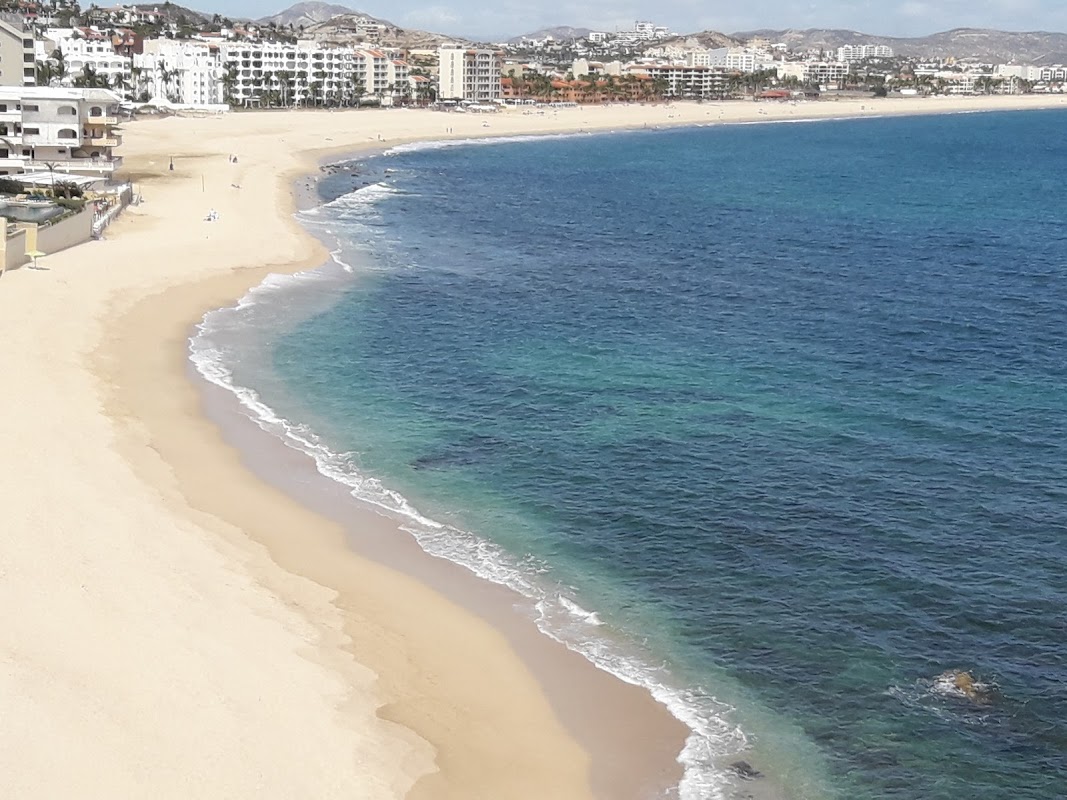
The main breaks near San José del Cabo are Costa Azul, which includes the Zippers and The Rock breaks, and Acapulquito, a gentler reef break sometimes called Old Man's, in front of the Cabo Surf Hotel on the Corridor's southern edge. Zippers is a fast right-hander that can get powerful during south swells and handles overhead conditions well. Acapulquito breaks smaller and softer, making it the go-to recommendation for lessons and first-time surfers. Further north near Todos Santos, Cerritos Beach offers a broad, sandy beach break with a forgiving beginner-friendly section and a more powerful outside when the swell kicks up.
The surf community here is relaxed compared to crowded California lineups. During shoulder months you can paddle out at Acapulquito or Cerritos with a small crowd. During peak swell windows in summer, the better breaks fill up but remain manageable. Locals are generally welcoming to respectful visitors. If you're new to surfing, sign up for a lesson before paddling out on your own.
What to expect
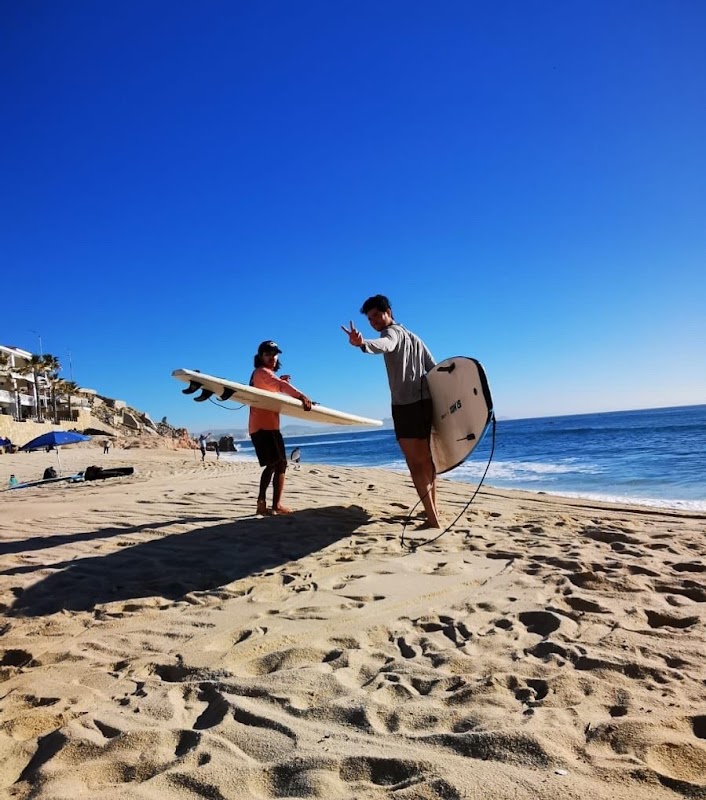
At Acapulquito, the wave breaks over a shallow reef, but the entry and exit is sandy and straightforward. Lessons typically run in the morning before the wind picks up. The break is south-facing and picks up swell well even on smaller days, which makes it reliable for first-timers who don't want to wait around all morning for something rideable. The Cabo Surf Hotel anchors this stretch and the beach in front sees consistent use from surf camps and independent paddlers alike.
Costa Azul and Zippers, a few minutes further toward San José del Cabo, are a different proposition. The wave moves faster and breaks over a reef shelf that gets shallow at low tide. Intermediate to experienced surfers who want a real session come here when the south swell is running. On a head-high day, Zippers delivers long rides with room to cut back. On a bigger day, it closes out faster and rewards precision over power. There's a beach club and parking area just off Highway 1, which makes it easy to check conditions before paddling out.
Cerritos Beach near Todos Santos is the most accessible wave in the region for beginners who want a proper sandy beach break. The waves here tend to be mellow, the beach is wide, and there's a beach club with rentals and instructors on site. The outside section breaks harder when northwest swells arrive in fall and winter, but most of the year the inside reform is the wave people are riding. The drive from Cabo San Lucas takes about an hour on Highway 19, and the road is paved the entire way.
Best season
Summer is the prime season for surfing in Los Cabos. South swells generated by storms in the southern Pacific and the tropical systems that build in the eastern Pacific from June through October push consistent groundswell into the south-facing breaks at Costa Azul and Acapulquito. July, August, and September typically deliver the most consistent and most powerful surf of the year at these spots. Water temperatures during this period sit in the low to mid-80s Fahrenheit, so a wetsuit is unnecessary. A rash guard is enough protection from the sun.
The tradeoff is that summer also brings heat, humidity, and hurricane season. Surf generated by tropical systems can arrive with short notice and catch the breaks at odd angles. Air temperatures regularly hit the low 90s. If you're combining surfing with other activities, plan surf sessions for early morning and shift to spa and wellness or air-conditioned settings by midday.
Fall and winter bring smaller and less consistent surf to the southern breaks but can push better conditions to Cerritos, which picks up northwest swell. November through February at Cerritos can produce solid chest-to-head-high days when northwest groundswell lines up correctly. The Corridor and San José del Cabo breaks get quiet during these months, which makes that stretch of coastline better suited to other activities. Spring is the transition period and can be hit or miss depending on swell direction.
Typical prices
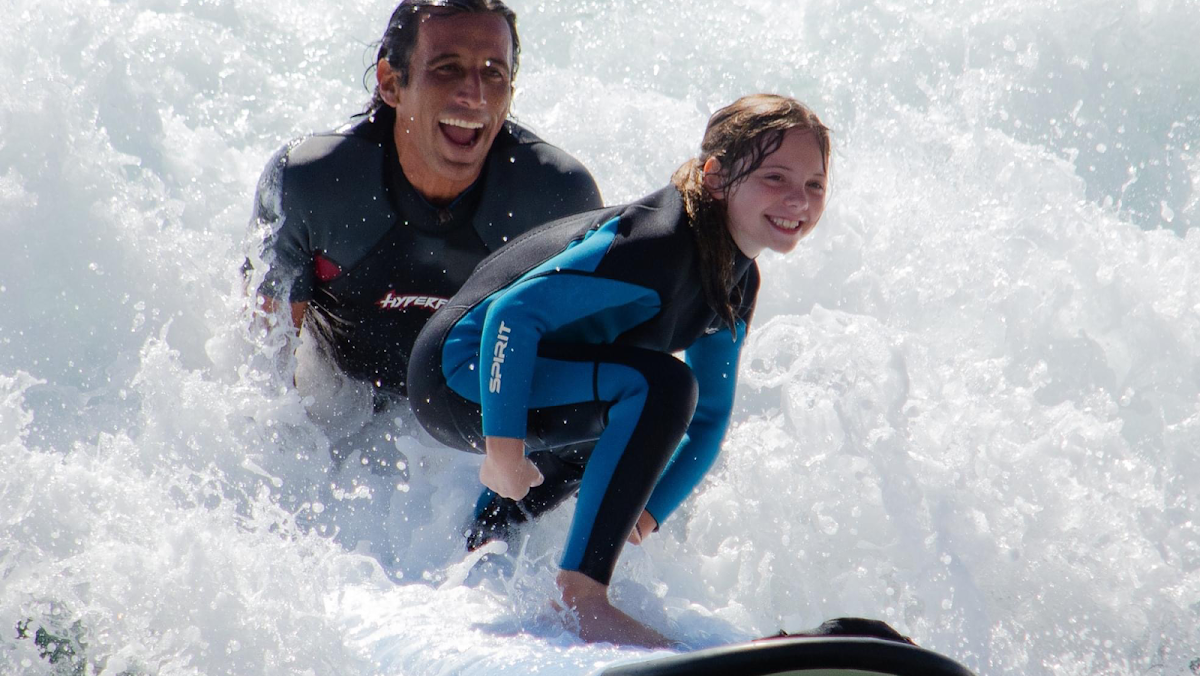
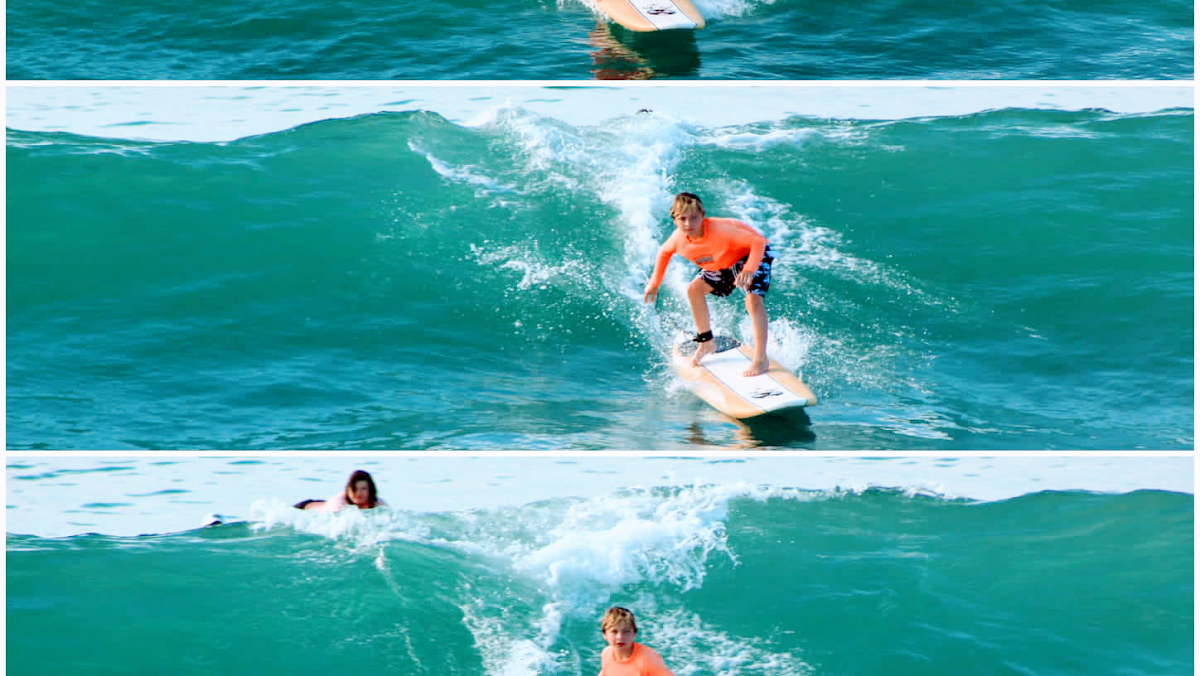
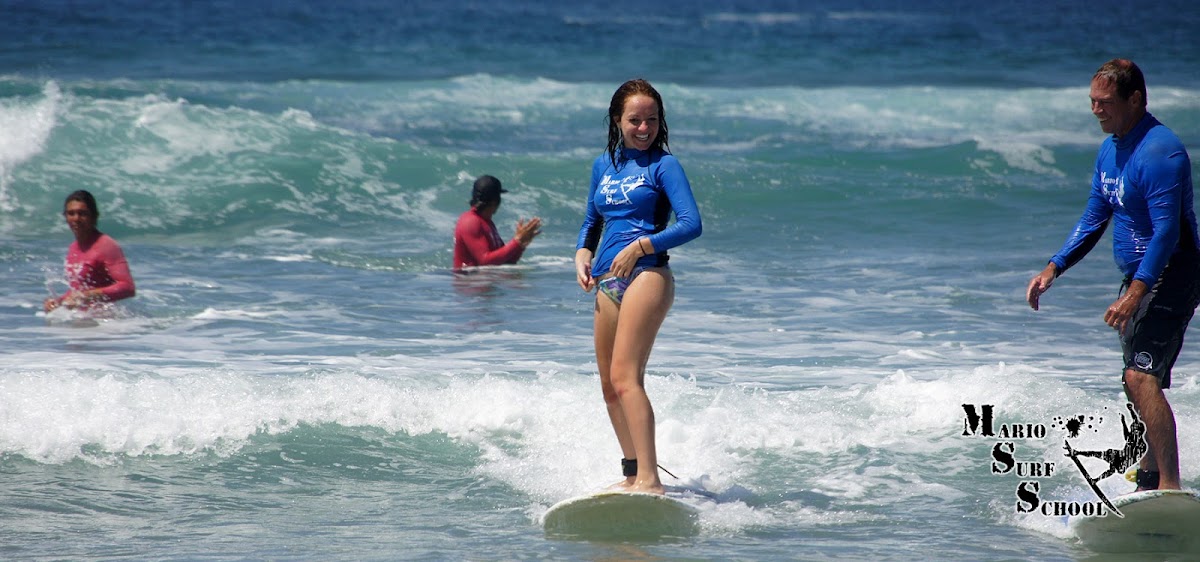
Surf lessons in Los Cabos typically run $60 to $120 per person for a two-hour group session, with all equipment included. Private instruction costs more, generally in the $100 to $180 range for a one-on-one session. Most lesson packages include foam board, leash, rash guard, and time in the water with an instructor. Prices vary by provider, location, and season. Summer is busiest at Costa Azul and Acapulquito; some operators discount mid-week sessions.
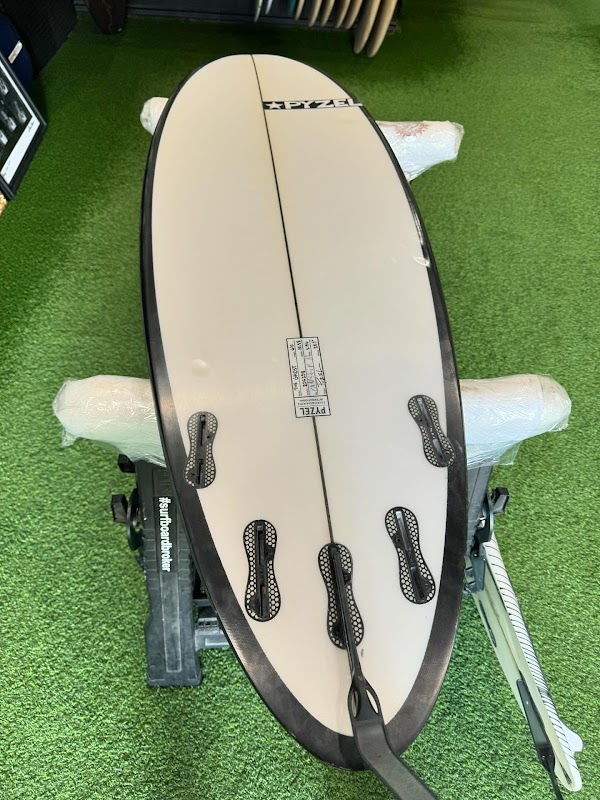
Board rentals without instruction run roughly $20 to $40 per day at most beach-side shops near the breaks. Soft-top boards suitable for beginners are widely available. If you want a performance shortboard or a longer board for nose-riding, call ahead and confirm availability. Cerritos Beach has on-site rentals at the beach club, which is convenient if you're making the drive from Cabo.
Multi-day surf packages that bundle lessons, board rental, and sometimes transport from Cabo San Lucas are available through several tour operators in the area. These packages typically run $150 to $300 per person for two or three days of instruction and range from complete beginner programs to intermediate progression coaching. They are a good option if surfing is a central goal of the trip rather than a one-session add-on. Check the tour operators directory for current offerings and contact information.
How to book
The easiest way to arrange surf lessons is through your hotel concierge or directly with surf schools that operate at the main breaks. Operators at Acapulquito and Cerritos often post schedules at the beach and accept walk-ins during morning hours, but calling or emailing ahead guarantees a spot, especially during busy summer weekends.
If you want a guided surf experience that includes transport from Cabo San Lucas, browse the Tour Operators directory for companies that specialize in surf trips and multi-activity packages. Some operators combine a morning surf session at Cerritos with a stop in Todos Santos for lunch and gallery browsing, which makes for a good full-day itinerary. If surfing is on your list alongside other Los Cabos activities, the best things to do for couples guide covers how to pair a surf session with other experiences. After a morning in the water, most surfers head for food and shade. See the Nightlife and Bars page for the evening options around San José del Cabo if you're staying near the surf breaks.
For any operator you book with, confirm the meeting point, what gear is included, and whether the session moves if conditions are poor on your scheduled day. Reputable surf schools check the surf report before the morning and will shift to a better location if needed. That flexibility matters most in the shoulder months when swell is less predictable.
Frequently asked questions
Do I need surfing experience to take a lesson in Los Cabos?
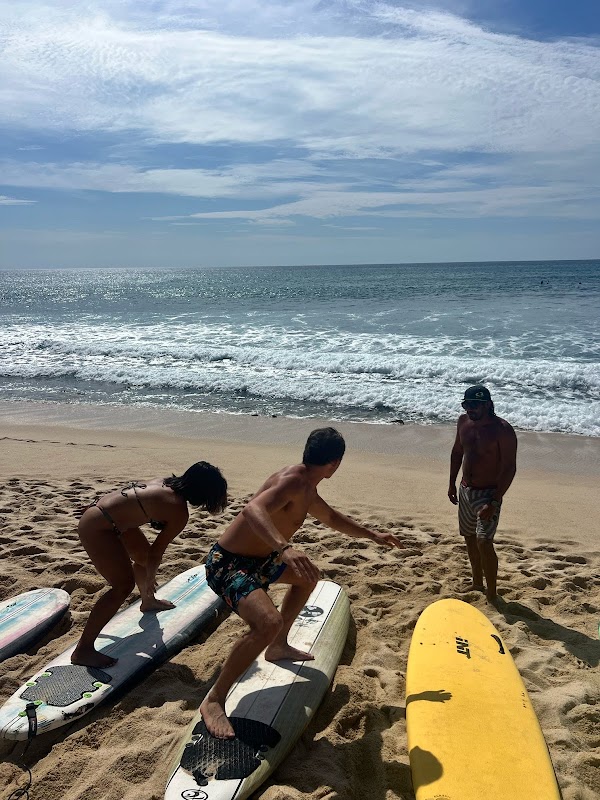
No experience is required for beginner lessons at Acapulquito or Cerritos Beach. Both breaks are recommended specifically because the waves are manageable for first-timers, and the instruction format at most schools starts with beach fundamentals before anyone gets in the water. If you've never surfed before, a two-hour group lesson is a reasonable introduction.
Which surf break is best for beginners?
Acapulquito (Old Man's) near the Cabo Surf Hotel on the Corridor, and Cerritos Beach near Todos Santos, are the two best options for beginners. Acapulquito is closer to Cabo San Lucas and San José del Cabo and is more convenient for most visitors. Cerritos is a sandy beach break, which is generally considered more forgiving than a reef break, and it has on-site rentals and instructors.
What time of year has the best surf in Los Cabos?
July through September is peak surf season at the main breaks near San José del Cabo. South swells from Pacific storm systems push consistent waves to Costa Azul, Zippers, and Acapulquito during these months. Cerritos near Todos Santos can also pick up northwest swell in fall and winter, so it offers a longer seasonal window.
Is it safe to surf in Los Cabos?
The beginner-friendly breaks at Acapulquito and Cerritos are appropriate for supervised lessons and reasonably safe for intermediate surfers. Costa Azul and Zippers are best left to surfers with solid experience, as the reef is shallow at low tide and the wave moves fast. Do not surf at Médano Beach or at Pacific-facing beaches without a defined surf break, as many non-surf beaches have dangerous shore break and currents.
Do I need to bring my own surfboard to Los Cabos?
No. Board rentals are available at the main surf beaches, and all-inclusive lesson packages provide equipment. If you have a specific board preference for performance surfing, bringing your own is worth considering, but it's not necessary for a casual surf trip or beginner experience.