Overview
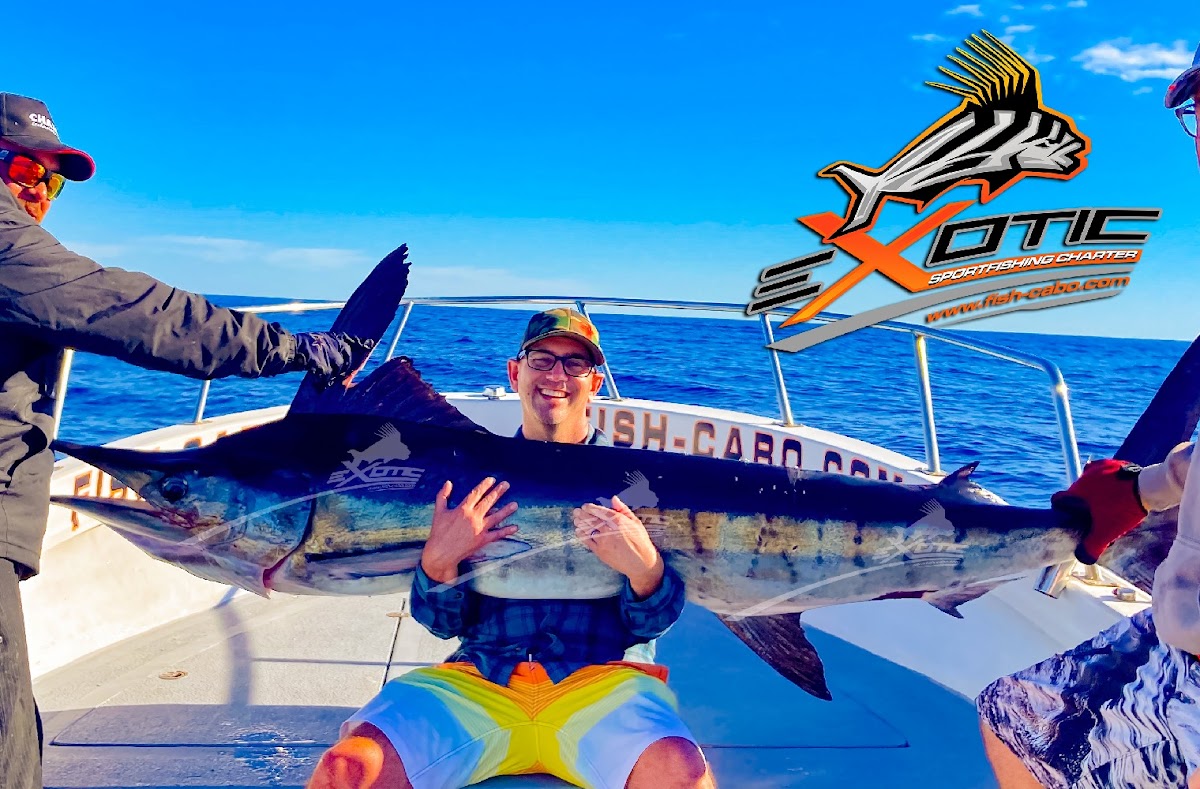
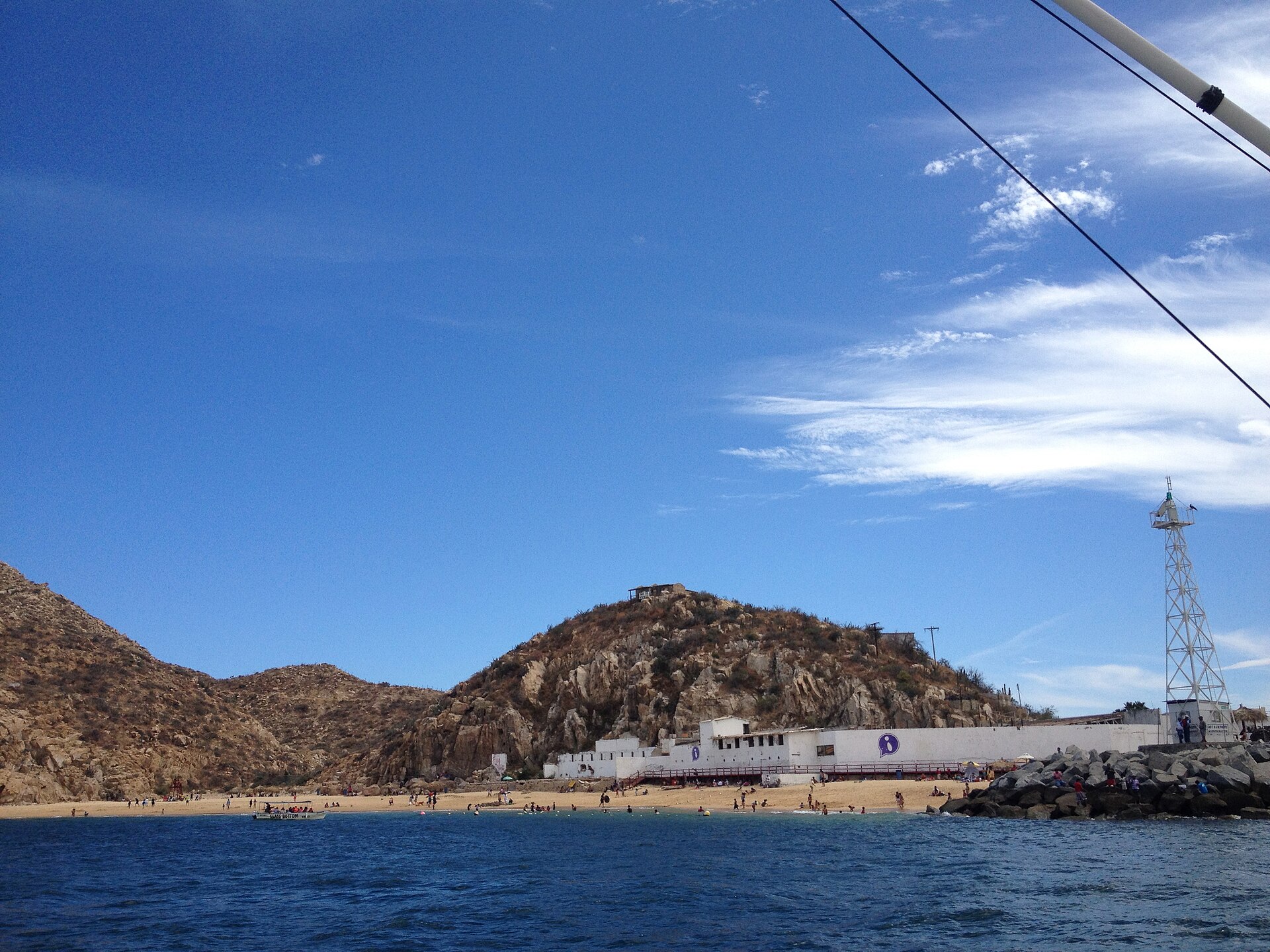
Cabo San Lucas earned the title "Marlin Capital of the World" through consistent big-game production across multiple seasons. The underwater canyon just offshore drops sharply to deep water, which means billfish feed close to the marina. You are not grinding out a three-hour run to reach the grounds.
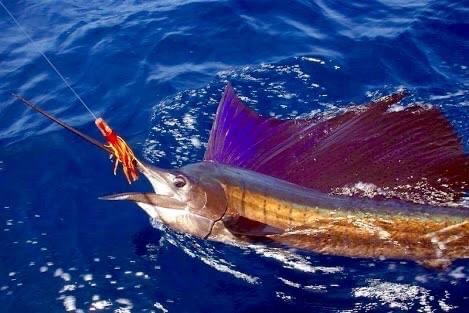
Target species include striped marlin, blue marlin, black marlin, dorado (mahi-mahi), yellowfin tuna, wahoo, and roosterfish. Sailfish appear seasonally. For inshore alternatives to the offshore fishery, see our Scuba Diving and Snorkeling guide.
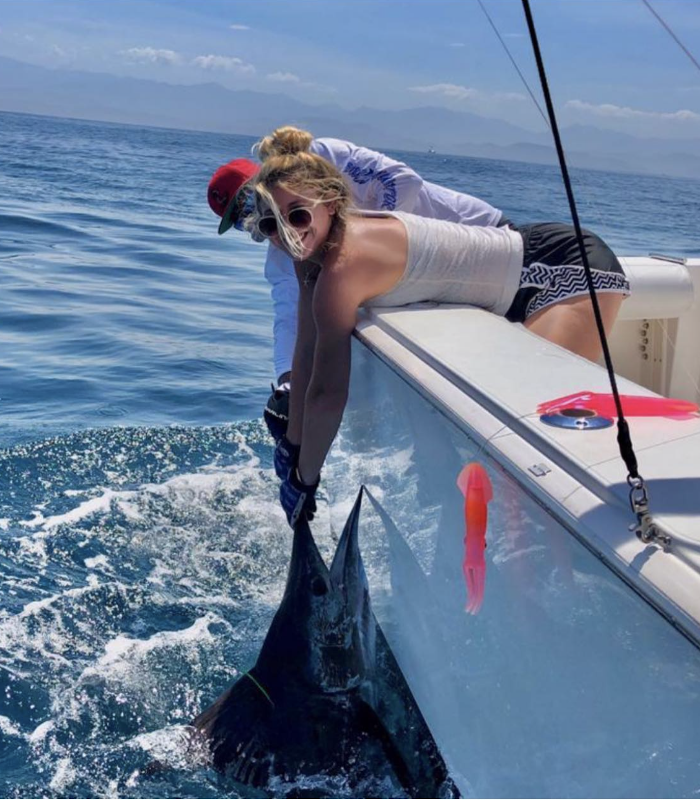
Nearly every charter out of Cabo San Lucas practices catch-and-release on billfish, marlin and sailfish. That is the industry norm. Edible species like yellowfin tuna, dorado, and wahoo can be kept, cleaned, and bagged by your crew. Many restaurants around the marina will cook your catch for a preparation fee. Ask your operator in advance whether they have a restaurant arrangement in place.
What to expect
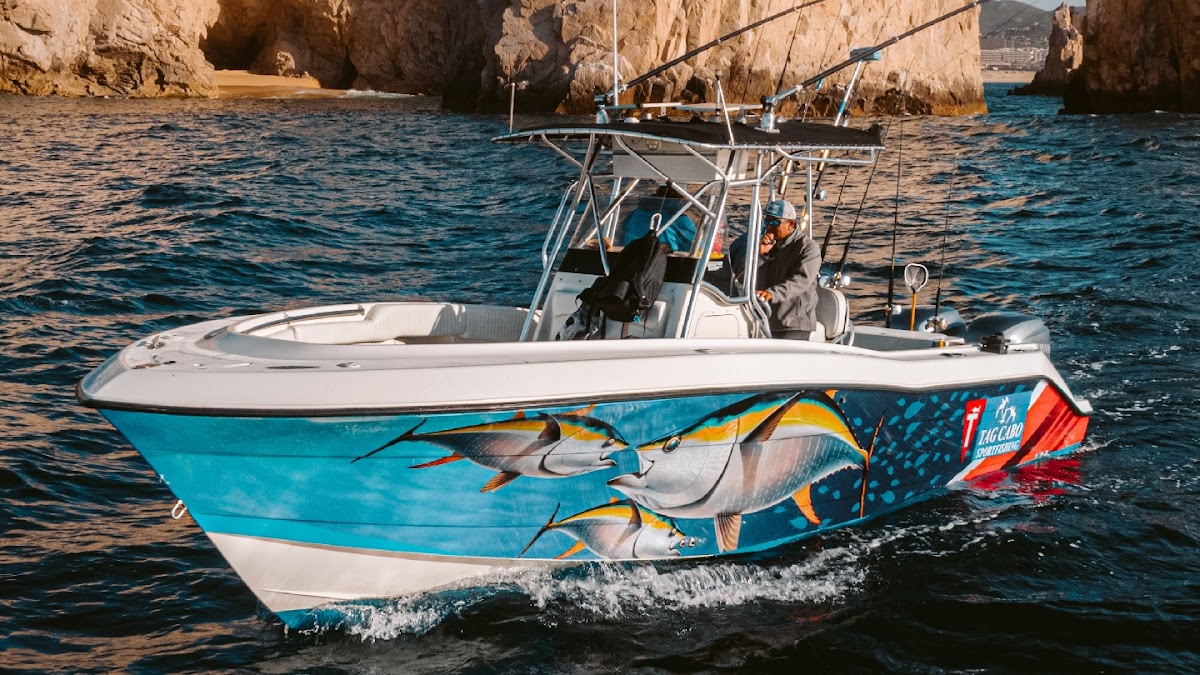
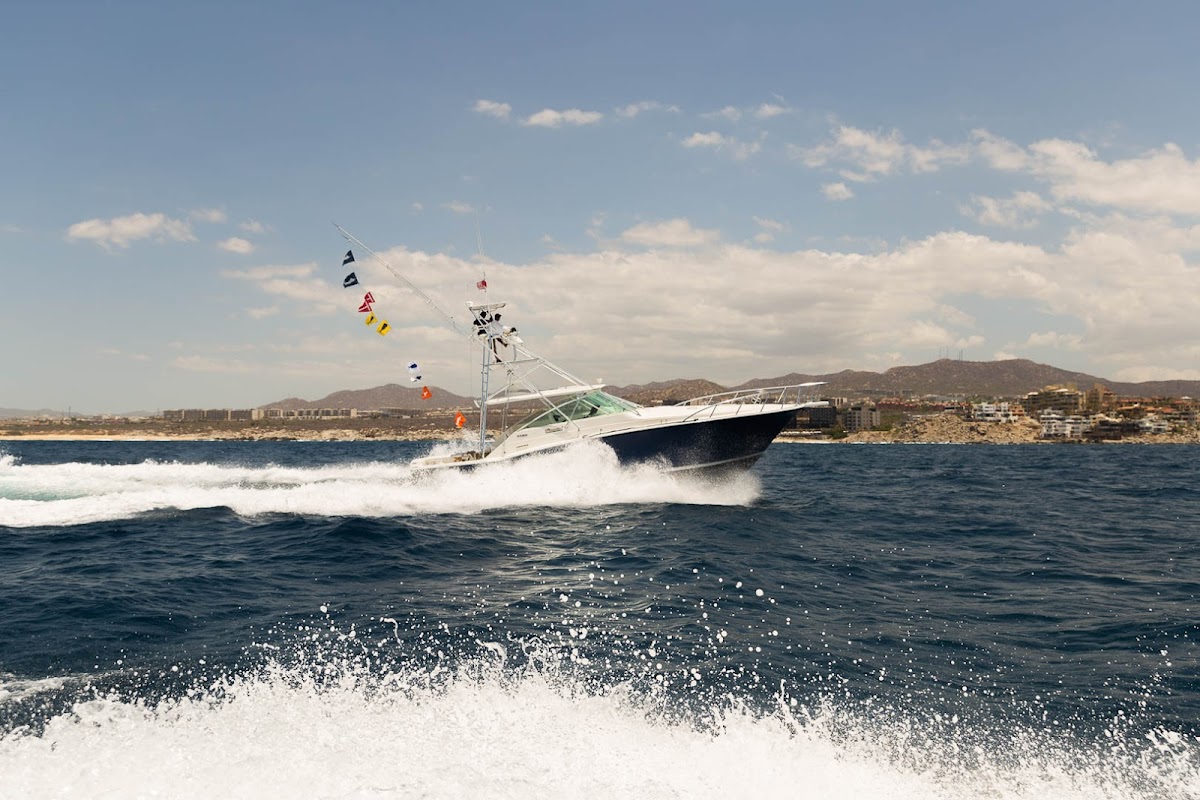
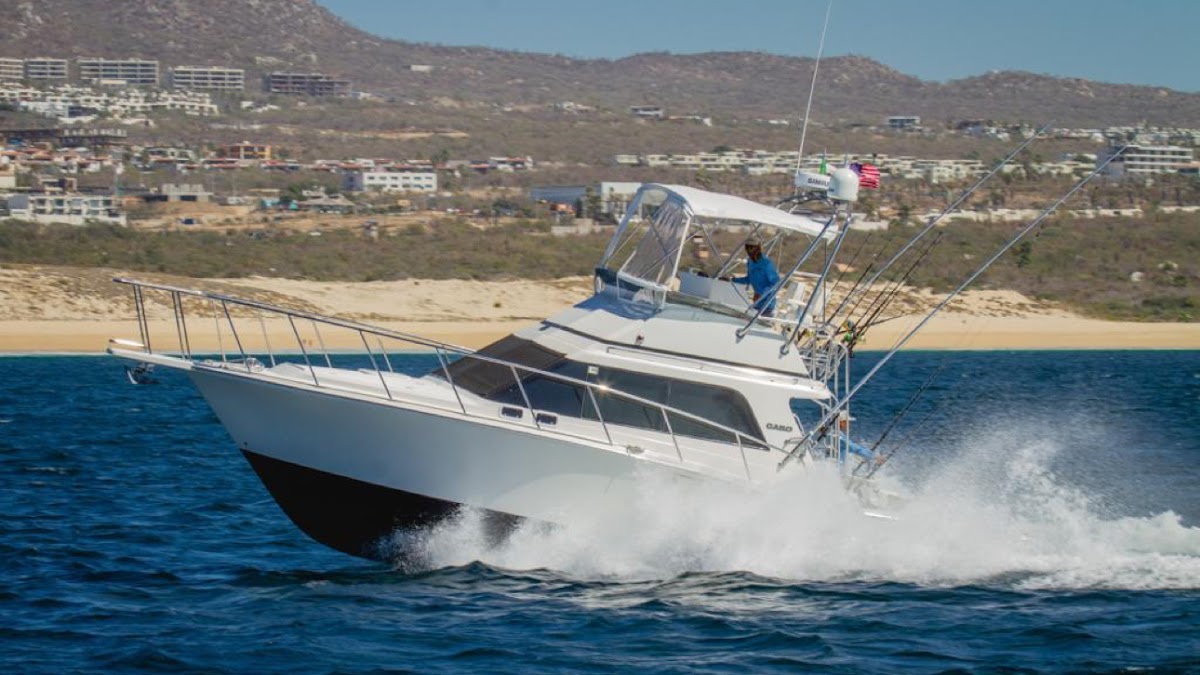
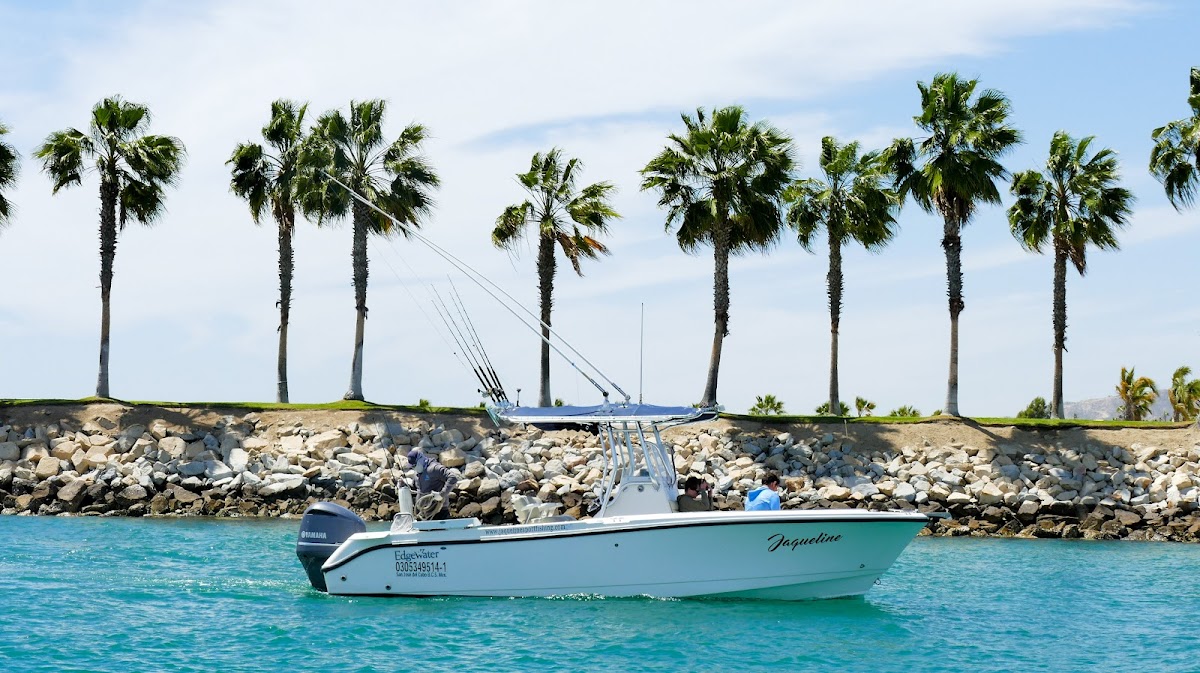
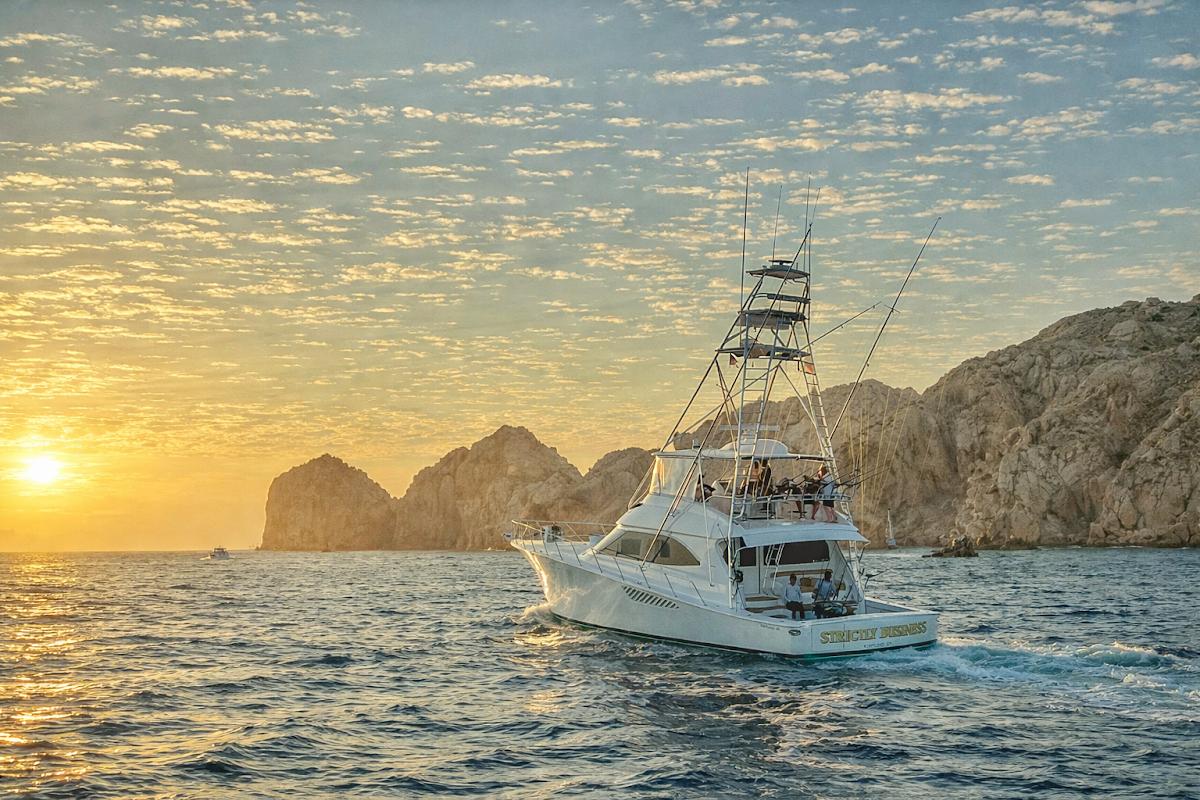
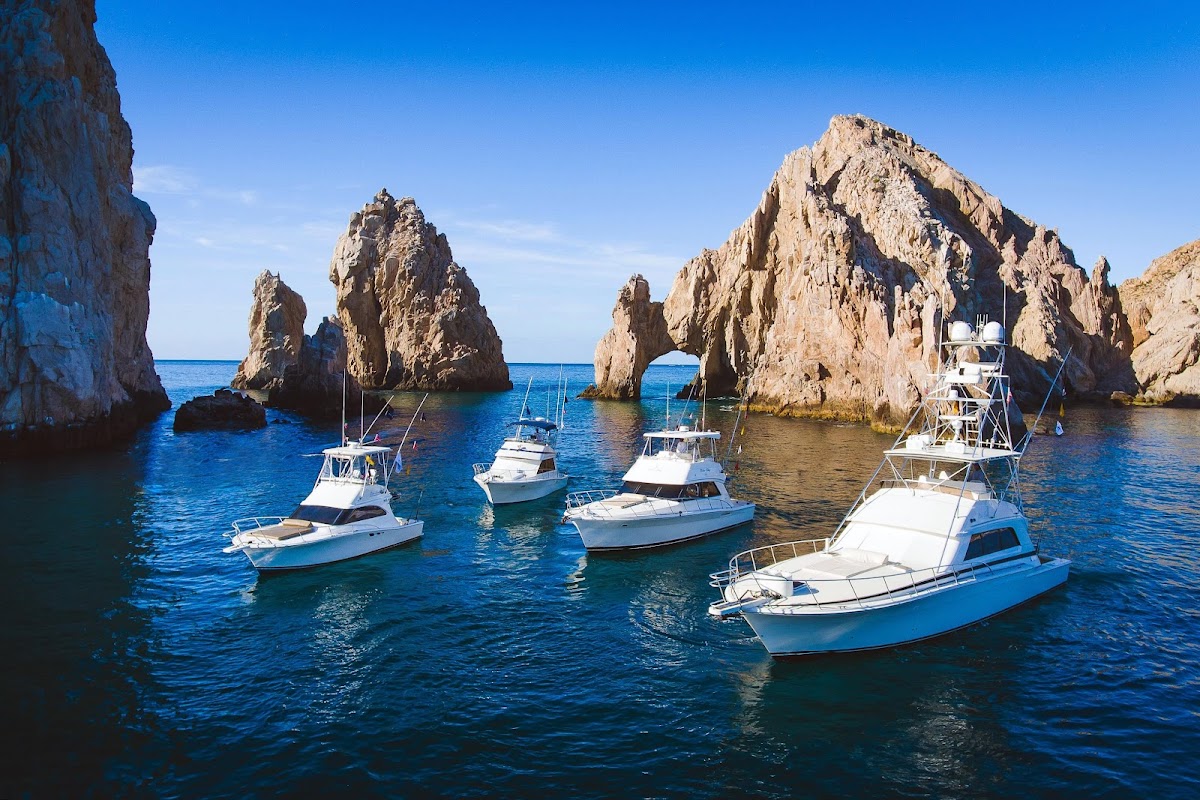
Charter trips in Los Cabos run on two broad formats: pangas and cruisers. A panga is a small open fiberglass boat, typically 22–26 feet, run by one or two experienced local captains. They are fast, maneuverable, and well suited for inshore fishing, roosterfish, smaller dorado, and bottom structure within 10–20 miles of the marina. A cruiser is a larger, enclosed cabin boat ranging from roughly 28 feet up to 60+ feet, with shade, a cabin, a bathroom, and tackle for targeting offshore billfish and tuna in deeper water.
- Shared panga: You split the boat with other anglers, the most affordable option for solo travelers or couples on a budget.
- Private panga: The boat is yours. More flexible on timing and which species to target.
- Private cruiser: The standard for serious anglers and groups. Mid-size sport-fishers up to larger vessels with full fighting chairs and outriggers for blue marlin.
Trips depart from the Marina Cabo San Lucas between roughly 6:00 and 7:30 a.m. Full-day offshore charters run around 8 hours; half-day inshore trips 4–5 hours. Confirm departure time, tackle included, and whether a fishing license is bundled before you pay a deposit. Gratuity for the captain and mate is expected and not included in quoted rates.
Best season and what you'll catch
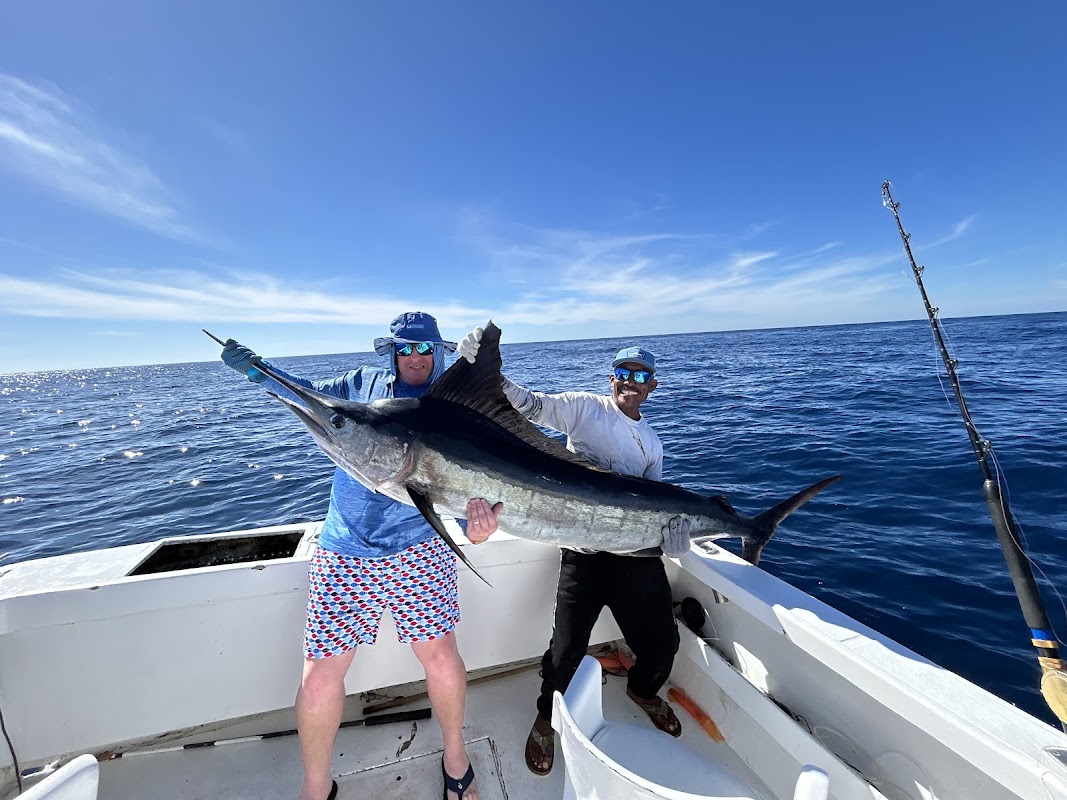
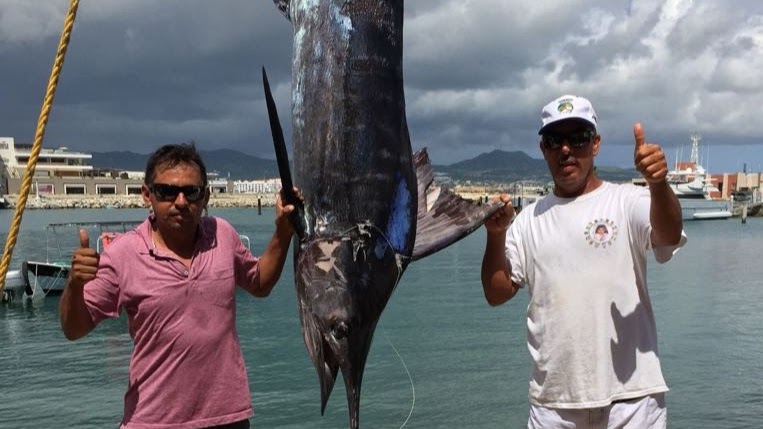
Striped marlin are most abundant from November through April, which overlaps with Cabo's peak tourism season. This is the fish most first-time anglers end up fighting, and it is not a small one, striped marlin commonly run 80–150 pounds in these waters. Blue and black marlin build through summer and peak from July through October. These are the trophy fish, with blue marlin exceeding 400–500 pounds not uncommon for experienced crews during the right conditions.
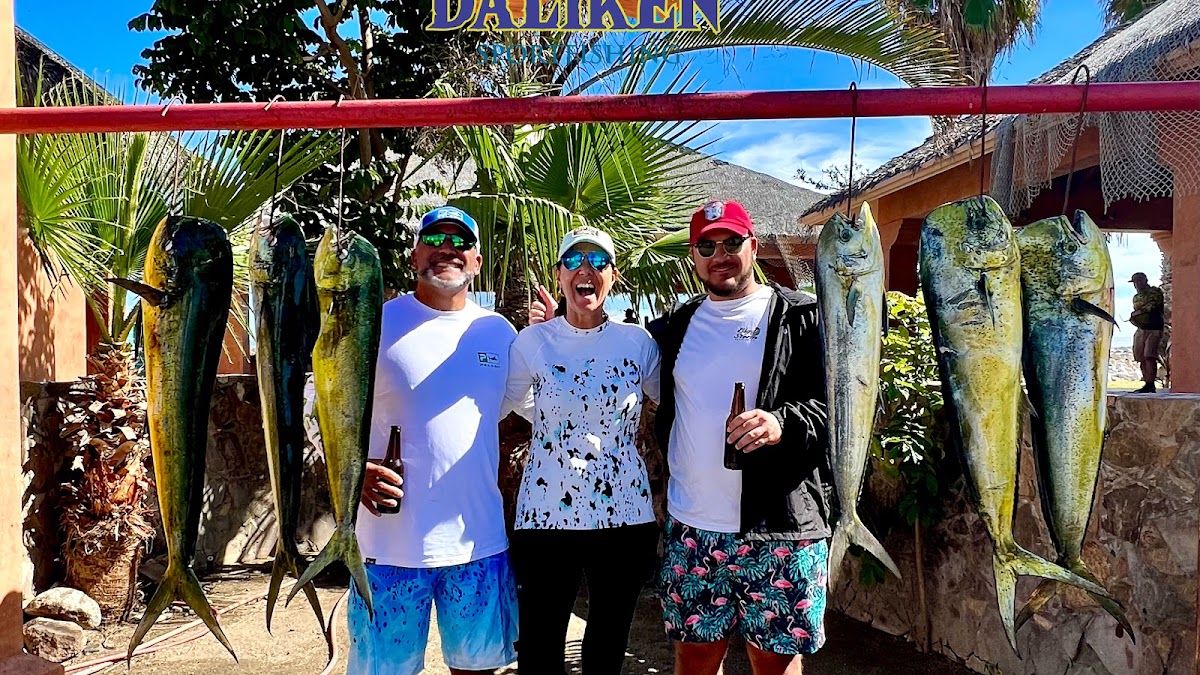
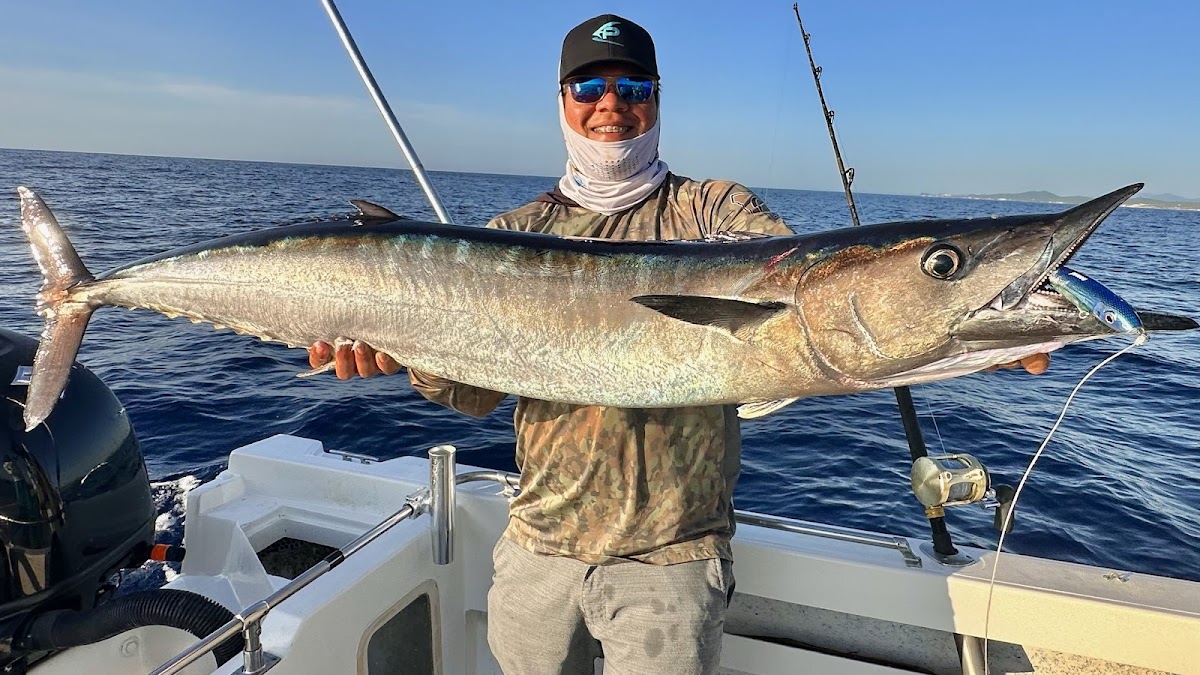
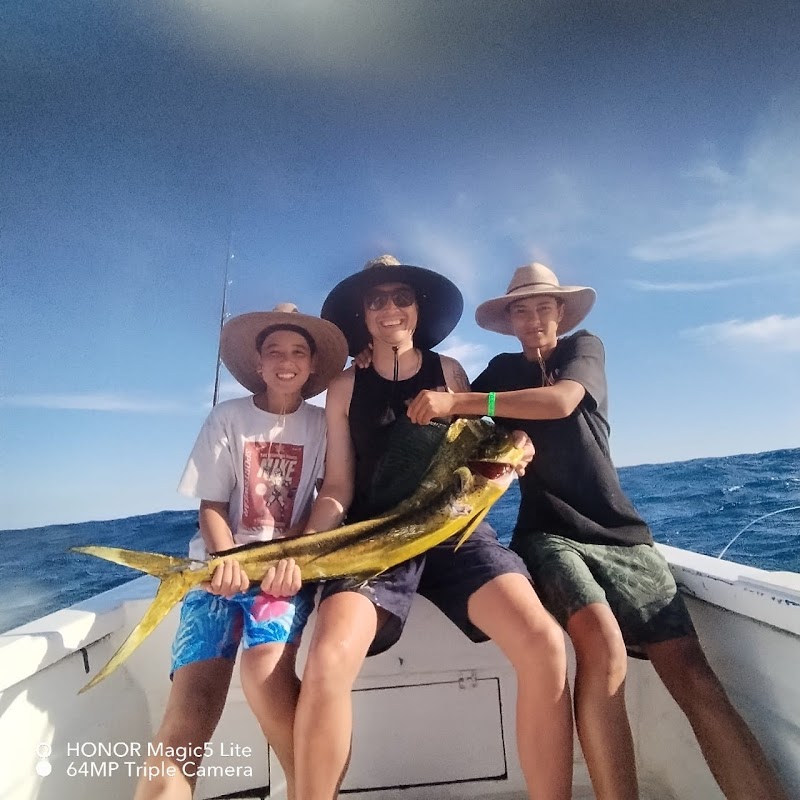
Dorado run May through September and are popular with families and groups who want quick, aggressive action without a full billfish endurance fight. Yellowfin tuna (the larger fish, 100–300+ pounds) peak in summer and fall. Wahoo are a fast, hard-fighting warm-water species present May through November. Roosterfish are caught inshore year-round, with particularly good fall action on the East Cape side toward La Ribera.
The overall calendar peaks in October and November: water is still warm, big tuna are present, blue marlin are winding down, and striped marlin are arriving in force. Check the best time to visit Los Cabos to plan around this window.
Typical prices
Prices below are labeled USD ranges only. Charter rates change seasonally and with boat availability, so treat these as planning benchmarks rather than quotes.
- Shared panga trip (inshore): roughly $100–$150 per person. These typically target dorado and smaller species within a few miles of the marina.
- Private panga (half-day, 4–5 hours): roughly $250–$400 for the boat. Good for small groups targeting inshore species or wanting a lower-cost introduction to offshore fishing.
- Private cruiser (full-day, 8 hours): roughly $500–$900 for a mid-size 28–32-foot sport-fisher. Rates climb to $1,000–$1,500+ per day for larger 38–50-foot vessels with full fighting chairs and professional mate service.
Most charters include rods, reels, bait, and ice. Fishing licenses, filleting fees, gratuity, and food or drinks are typically not included, confirm every line item before paying a deposit. Mexican fishing licenses run roughly $15–$30 per person per day and can be arranged through your operator. Browse operators in our Fishing Charters directory.
How to book
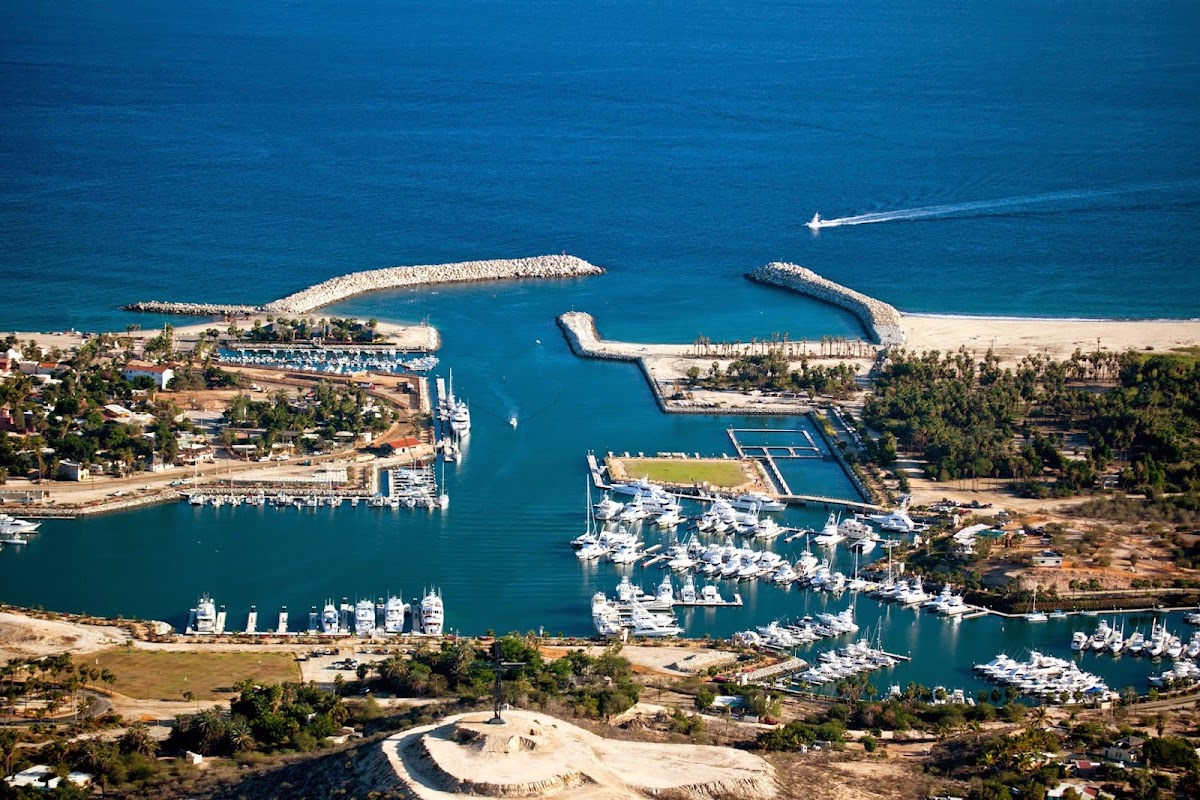
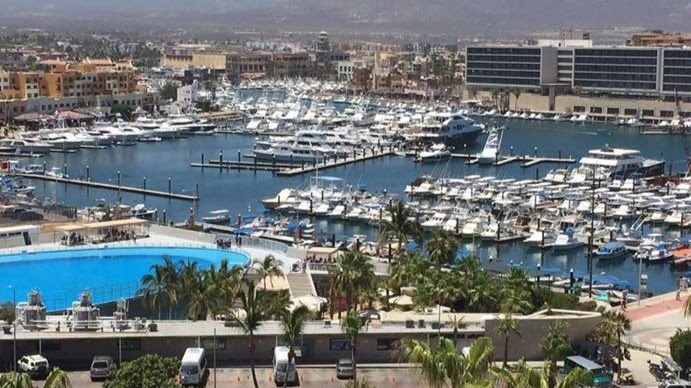
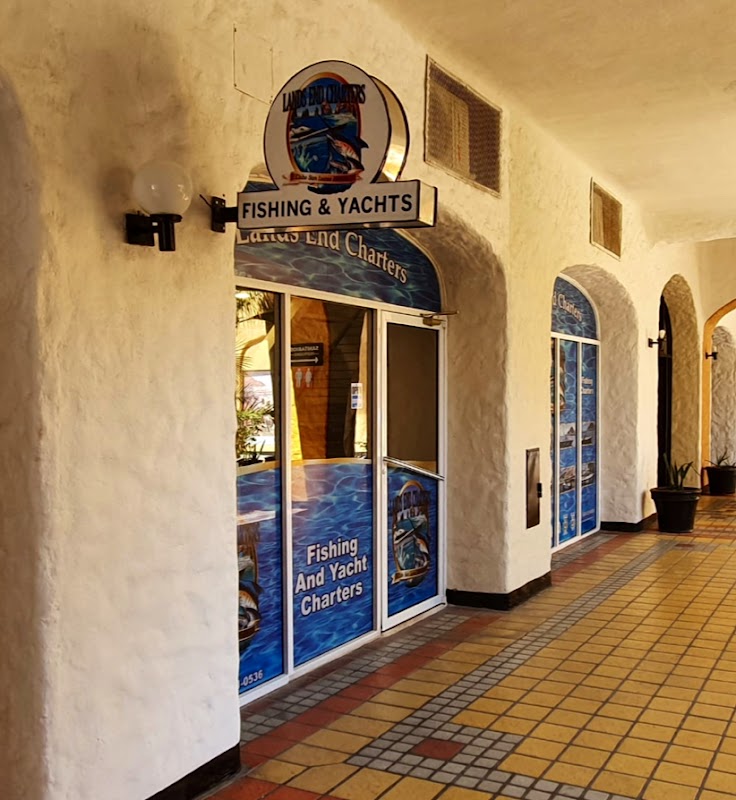
Most charters depart from the Marina Cabo San Lucas, which is in the heart of town and walking distance from the main hotel zone. The marina dock area has charter booths where you can book same-day trips in shoulder season, but during peak months, especially October and November, boats fill well in advance.
Book before the Bisbee's Black and Blue tournament window in late October. The Bisbee's Black and Blue is one of the richest sportfishing tournaments in the world, held annually at the Cabo San Lucas marina in late October. During tournament week and the days surrounding it, private charter availability drops sharply and rates on remaining boats can spike. If your trip overlaps with this window, securing a charter two to three months in advance is not being overly cautious.
When comparing operators, ask: what size boat, are the captain and mate full-time professionals, what tackle is provided, is the fishing license included, and what is the cancellation policy for poor sea conditions. Reputable operators answer all five upfront. You can pair a morning fishing trip with an afternoon of whale watching from January through April when humpback and gray whales are active. Start building your itinerary with our 3-day Cabo itinerary.
Frequently asked questions
Do I need a fishing license to fish in Los Cabos?
Yes. All anglers fishing in Mexican waters need a Mexican fishing license. Your charter can arrange it, typically $15–$30 per person per day. Confirm it is included or available when you book.
Can I keep the fish I catch?
Billfish, marlin and sailfish, are catch-and-release on virtually all reputable Cabo charters. Edible species like yellowfin tuna, dorado, and wahoo can be kept; your crew will clean and bag them at sea. Many restaurants near the marina will cook your catch for a preparation fee.
What is the Bisbee's Black and Blue tournament?
The Bisbee's Black and Blue is one of the richest big-game fishing tournaments in the world, held at the Marina Cabo San Lucas in late October. Prize purses have exceeded $4 million in past years. If your trip overlaps with tournament week, expect reduced charter availability and higher rates, book well in advance.
What is the difference between a panga trip and a cruiser?
A panga is a small open boat (22–26 feet) for inshore fishing within about 10–20 miles of the marina. A cruiser is a larger enclosed cabin boat for offshore big-game fishing. Pangas cost less and are nimble; cruisers offer shade, a bathroom, and the deck space needed for fighting large billfish.
What month is the best for sportfishing in Los Cabos?
October and November are peak months: striped marlin arrive in force, tuna and dorado are still active, and blue marlin are winding down but present. November through April is prime for striped marlin. July through September offers the largest blue and black marlin but falls in hurricane season, which can affect conditions and availability.
Is sportfishing in Cabo appropriate for beginners or kids?
Yes, with the right trip. A half-day inshore panga targeting dorado is manageable and action-filled for first-timers and older kids. Full-day offshore billfish trips involve longer runs, bigger swells, and physically demanding fights, better for experienced anglers. Tell your operator your experience level when booking.