Why visit
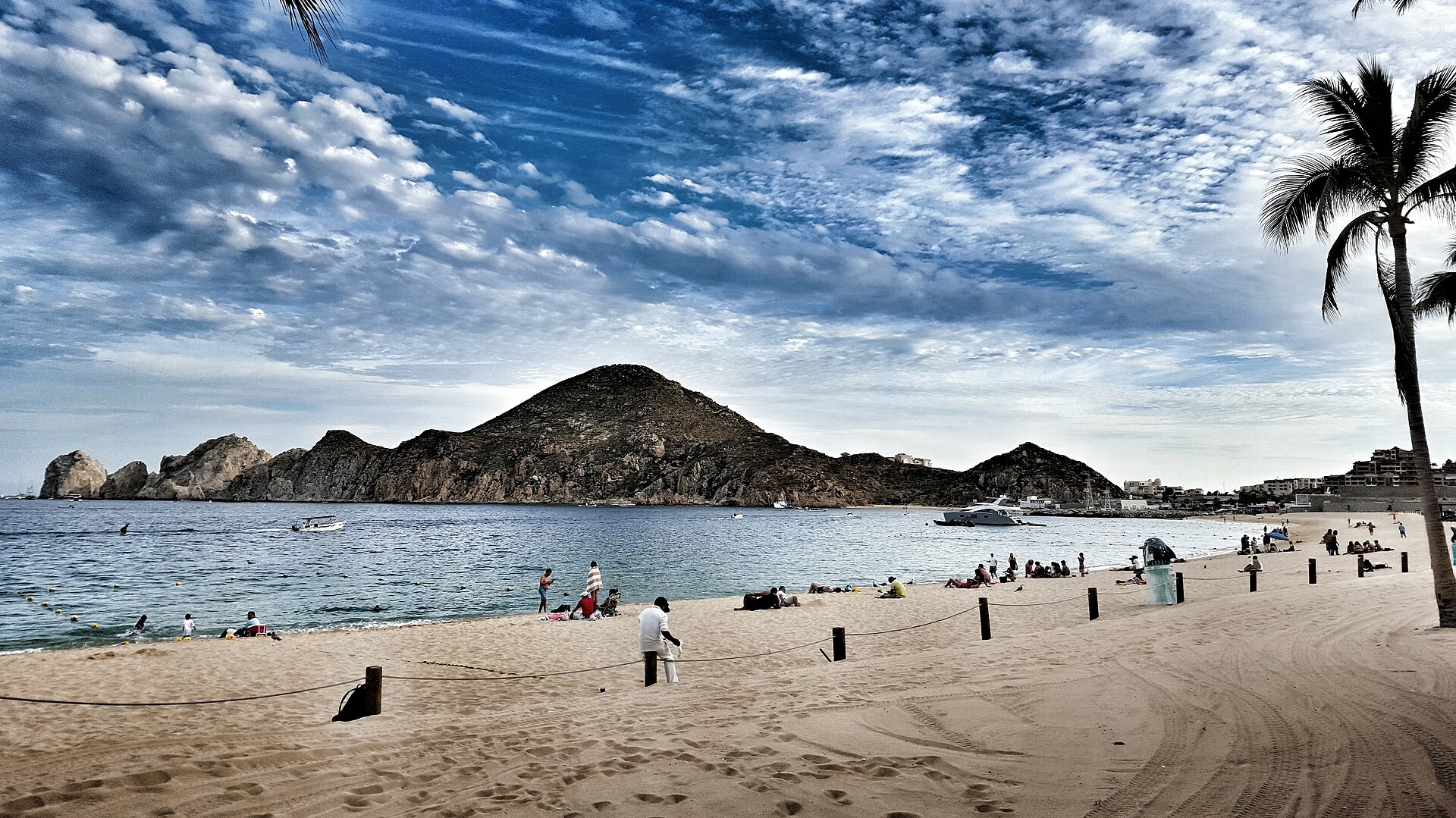
Most of the region's top-tier resort properties sit along the Corridor, taking advantage of the dramatic Sea of Cortez coastline and the near-constant sun. The draw here is not nightlife or a town-center atmosphere. It is quiet luxury, golf tee times, and the two coves that consistently offer the calmest, clearest water in Los Cabos: Chileno Beach and Santa Maria Beach.
The Corridor also sits geographically between the two towns, which makes it a good base if you want to spend some days exploring Cabo San Lucas (the marina, El Arco, boat tours) and other days in San José del Cabo (the Art District, the estuary, a calmer pace) without choosing a side. You are roughly 15 to 20 minutes by car from the center of either town.
The trade-off: the Corridor has no walkable town center. Everything is spread along the highway. You will not step outside your resort and stroll to a taco stand or a local bar. For that kind of spontaneous access, either town is a better fit. But if your priorities are a great pool, a tee time, and snorkeling in a protected cove, the Corridor delivers on all three.
Best beaches
Chileno Beach is the Corridor's most popular public beach, and for good reason. It holds a Blue Flag certification, meaning the water quality and facilities meet international standards. The cove is protected from the Pacific swell, so the surface stays calm enough for snorkeling even when the ocean is choppy. Shaded palapas, restrooms, and parking are all on site. The one practical note: the parking lot fills early, often by 9 a.m. on weekends and during peak season. If you want a palapa and a shady spot, plan to arrive before 8:30 a.m.
Santa Maria Beach is a horseshoe-shaped cove about a mile down the highway from Chileno, and it is arguably the better snorkel site in the region. The area is designated a marine sanctuary, which means the reef and fish population are protected and the underwater visibility tends to be excellent. The important thing to know: Santa Maria has no facilities at all. No restrooms, no shade structures, no water, no vendors. Bring everything you need, including drinking water and a way to get out of the sun. Tour boats from Cabo San Lucas frequently stop here on snorkel excursions, so the cove can get crowded mid-morning. Going first thing in the morning or after 2 p.m. gets you calmer conditions.
Just east of Santa Maria, Las Viudas (Widow's Beach) is a pair of small rocky coves worth a stop if you want tide pools or a less-visited spot to explore. The swimming is conditions-dependent and the access is limited, but the rock formations and marine life in the pools are worth seeing if you have a rental car and want to go off the main path.
Further toward San José, Playa El Tule is a wide, undeveloped stretch of shoreline that draws surfers to the El Tule break. It is not a swimming beach in the way Chileno is, but if you want open space and big views without resort infrastructure nearby, it is the Corridor's quietest option.
Top things to do
Golf is the Corridor's other defining activity. The stretch of coastline between the two towns is the golf heart of Los Cabos, with several championship courses running along the coast and into the desert hills above it. Many of the courses are associated with major resort properties and offer ocean views from multiple holes. Green fees vary widely by course and season, with rates generally ranging from around $150 to $350+ per round. If golf is a priority for your trip, booking tee times at least a few days out during peak season (November through April) is strongly advisable.
Snorkeling and diving in the protected coves is a genuine highlight. Both Chileno and Santa Maria can be accessed on your own if you have a car and your own gear, or you can book a guided snorkeling or diving excursion that stops at both coves. Guided half-day snorkel tours typically run $65 to $120 per person.
Whale watching is a realistic add-on from mid-December through mid-April, when gray whales and humpbacks move through the waters off the Corridor. Most tours depart from Cabo San Lucas harbor, roughly 20 to 30 minutes by car.
Spa programs at the Corridor's larger resorts are among the best in Los Cabos, with full facilities and ocean views. Many are open to day visitors who book in advance, not just resort guests.
Where to stay
The Corridor is home to the highest concentration of large, internationally recognized resort properties in Los Cabos. The spectrum ranges from all-inclusive properties to independent luxury resorts that charge for food and activities à la carte. The right choice depends on your travel style and budget.
All-inclusive resorts on the Corridor typically run $300 to $600+ per night for two people in peak season, with meals, drinks, and some activities bundled in. Independent luxury properties at the upper end can run $500 to $1,200+ per night, with those costs excluding food and excursions. Shoulder season (May through early July, late October) and summer rates can be meaningfully lower, though the heat and humidity are higher. See where to stay by area for a full comparison of the Corridor versus basing yourself in one of the towns.
If you are deciding between the Corridor and one of the towns, the Corridor makes the most sense if golf or resort-focused relaxation is the core of your trip. If you want more street-level dining, nightlife, or the ability to explore on foot, a Corridor resort can feel isolated. Read through the all-inclusive vs. resort guide if you are weighing the two formats.
Getting there and around
The Corridor sits between the two towns on Highway 1, which makes it easy to reach from Los Cabos International Airport (SJD). From the airport, drive south on the Transpeninsular Highway and you will be in the Corridor within about 20 to 30 minutes, well before you reach Cabo San Lucas. Most resorts are signed from the highway.
A rental car is genuinely useful here, more so than anywhere else in Los Cabos. The beaches, resorts, and golf courses are spread across 20 miles of coastline. There is no reliable Uber pickup along the Corridor, and taxis from resort to beach or beach to restaurant add up quickly. If you plan to explore beyond your property, especially to reach Chileno and Santa Maria on your own schedule, a rental car pays for itself within a day or two. Compact cars typically run $30 to $60 per day from SJD. Read the full breakdown at is it worth renting a car in Cabo.
If you prefer not to rent a car, most Corridor resorts can arrange airport transfers and coordinate day-trip transportation. Just know that spontaneous movement, like driving to Chileno at 7:30 a.m. before the parking lot fills, becomes harder without your own wheels.
Best time to visit
November through April is peak season on the Corridor, and for good reason. Daytime temperatures sit in the 75 to 85°F range, humidity is low, and the skies are reliably clear. This is also whale season from mid-December through mid-April, when gray whales and humpbacks are visible from shore and on tours. The trade-off is that this is when prices peak and resort availability tightens. Popular resorts can sell out weeks in advance during the holiday stretch from late December through early January.
The water is at its warmest from August through October, reaching the low 80s°F. This window is good for snorkeling at Chileno and Santa Maria, and it coincides with the region's lowest resort rates. The reality check: July through October is also Los Cabos's hot and humid season, with the Pacific hurricane season peaking August through October. Tropical storms can disrupt travel plans, and some visitors find the heat and humidity difficult. If you go in this window, buy travel insurance.
May and June are a reasonable shoulder-season sweet spot. Temperatures are warmer than peak season but not yet at summer humidity levels, and prices have dropped from their December through April highs. For a deeper look at what each month looks like, the best time to visit guide breaks it down month by month.
Frequently asked questions
What is the best public beach on the Tourist Corridor?
Chileno Beach is the most practical choice: Blue Flag certified, protected cove, shaded palapas, restrooms, and snorkeling. The parking lot fills early on weekends, often before 9 a.m., so arrive by 8:30 a.m. Santa Maria has arguably better snorkeling inside its marine sanctuary horseshoe cove, but it has zero facilities. Bring your own water, food, and shade if you go.
Do I need a car to stay on the Tourist Corridor?
Not strictly, but a rental car makes a big difference. There is no reliable Uber pickup along the Corridor, and the beaches, golf courses, and restaurants are spread across 20 miles of highway. If you want to reach Chileno before the lot fills, or get to San José del Cabo for dinner without an expensive taxi each way, having a car is the practical choice. Compact cars run roughly $30 to $60 per day from SJD airport.
How far is the Tourist Corridor from Los Cabos airport?
Los Cabos International Airport (SJD) sits in San José del Cabo at the eastern end of the Corridor. The nearest Corridor properties are about 15 to 20 minutes away. The mid-Corridor area near Chileno and Santa Maria is roughly 25 to 35 minutes. The western edge near Cabo San Lucas is 40 to 50 minutes. Most resorts can arrange airport transfers if you prefer not to rent a car.
What is the difference between staying on the Corridor versus in Cabo San Lucas?
The Corridor is quieter and resort-focused: direct access to the best snorkel coves in the region, championship golf, and large property footprints. The downside is you need a car for everything beyond your resort. Cabo San Lucas gives you walkable access to the marina, El Arco boat tours, beach clubs, restaurants, and nightlife. If golf and resort relaxation are your priorities, the Corridor is the right call. If you want spontaneous movement and energy, Cabo town fits better.