How we picked
This list covers beaches across all six zones of Los Cabos: Cabo San Lucas, San José del Cabo, the Tourist Corridor, Todos Santos, the East Cape, and La Paz as a day trip. We evaluated each on swimmability, scenery, access, what you can do there, and how well it fits specific traveler types.
Swimmability is not subjective here. The Sea of Cortez side of the peninsula is generally calm and suitable for swimming. The Pacific side generates strong shore break and riptides at most spots, and the colored flag warning system exists for a reason. We note the actual conditions for every beach on this list so you are not guessing.
We did not include any beach just because it looks good in photos. Several of the most-photographed spots in Los Cabos have no safe swimming and limited facilities. Those beaches are worth visiting for the scenery, and we say so clearly, but we also tell you where to go when you want to get in the water.
Price ranges for beach clubs and activities throughout this guide are estimates based on typical market rates. Always confirm current pricing directly with operators before you go.
The shortlist
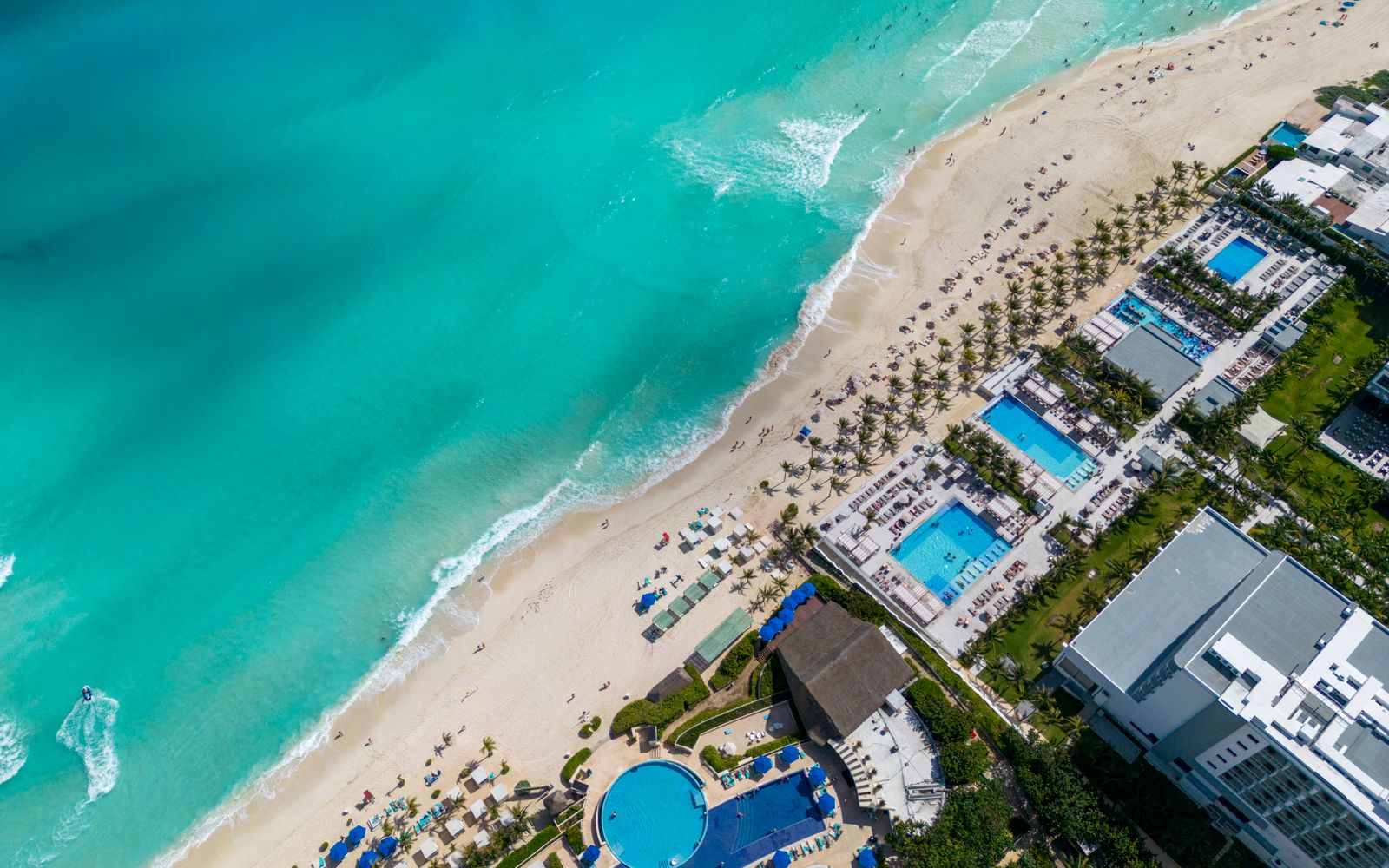
Médano Beach (Cabo San Lucas): This is the primary swimmable beach in Cabo San Lucas and the one most first-timers picture when they think of Cabo. It runs roughly two miles along the bay, faces the Sea of Cortez, and has calm enough conditions for families, casual swimmers, and anyone who wants to rent a jet ski or paddleboard without being qualified. Beach clubs line the sand offering day-use access, lounge chairs, umbrellas, and food and drink service, typically for an entry fee or minimum spend in the $30 to $60 per person range. Water sports rentals on the beach start around $40 to $80 for jet skis and $15 to $25 per hour for kayaks and paddleboards. If you are staying in Cabo San Lucas, Médano is most likely your primary beach for the trip.
Lover's Beach and Divorce Beach (Cabo San Lucas): These are two faces of the same small stretch of sand at Land's End, the rocky tip of the Baja peninsula where El Arco stands. The Sea of Cortez side, Lover's Beach, is calm and swimmable during most of the year. The Pacific side, Divorce Beach, is not: it faces open ocean and the surf is consistently dangerous for swimming. You reach both by water taxi from the Cabo San Lucas marina, a short and inexpensive ride, roughly $15 to $20 round-trip per person. The setting is one of the most distinctive in all of Los Cabos, with the arch visible from the beach and sea lion colonies on the nearby rocks. Snorkelers will find clear water on the Sea of Cortez side. Come in the morning before the water taxi traffic picks up.
Chileno Beach (the Corridor): Chileno is one of the few Blue Flag-certified beaches in Los Cabos, which means it meets international standards for water quality and safety. The cove is naturally protected, the water stays calm, and the rocky bottom on the edges of the beach makes it one of the better free snorkeling spots in the region. There are shaded palapas, restrooms, and parking. It is a public beach with no paid beach club in the main cove, making it one of the easier options for families or travelers who do not want to pay a cover to sit in the sand. The Corridor location puts it about 15 to 20 minutes from both Cabo San Lucas and San José del Cabo. Snorkel gear rentals are available near the beach for around $10 to $15.
Santa Maria Beach (the Corridor): Santa Maria sits inside a horseshoe-shaped cove that functions as a protected marine sanctuary. The water is clear and the reef structure makes it one of the top snorkel spots accessible by land in the entire region. There are no beach clubs and no facilities here, which is part of the appeal. You bring your own gear, find a spot on the sand, and snorkel over rocky outcroppings and fish without a crowd of beach-club guests around you. The drive in from Highway 1 is a short unpaved road and a small parking area. Arrive before 10 a.m. on weekends to avoid the tour boat traffic that moves through later in the day. If you plan to snorkel here through a tour operator, the diving and snorkeling activity page has more detail on what to expect.
Palmilla Beach (San José del Cabo): Palmilla is calm, swimmable, and family-friendly, set along the Sea of Cortez near the One and Only Palmilla resort and the small Palmilla marina. The beach itself is a public access point even though the resort sits nearby, and the water conditions here tend to be gentler than at Médano because the cove offers more natural protection. It is a quieter option than Médano for travelers staying in San José or the northern Corridor who want water access without the activity of a full beach club strip. If you are traveling with young children or want a low-key morning swim, Palmilla is one of the more reliable choices in the region. For help deciding which part of the region to base yourself in, see the guide to where to stay by area.
Cerritos Beach (Todos Santos): Cerritos is the main surf beach near Todos Santos, located on the Pacific side about an hour north of Cabo San Lucas. It has a swimmable section toward the northern end of the beach where the break softens, which makes it one of the few Pacific-facing beaches in the region where you can get in the water without significant risk. The surf itself is mellow enough to attract beginners, and surf schools operate here regularly offering two-hour lessons in the $60 to $90 range. A small beach club operates at the south end with food, drinks, and loungers. Cerritos fits best for travelers who want to combine a visit to Todos Santos with some time on a Pacific beach and do not need a full resort setup around them. It also rounds out well as a stop on a day trip from Cabo.
Costa Azul and Zippers Beach (San José del Cabo): Costa Azul is the surfing hub of Los Cabos, sitting just south of San José del Cabo along the Pacific. Three named breaks, Zippers, The Rock, and Old Man's, draw surfers of varying skill levels. Zippers is the most consistent and most photographed, producing clean right-hand waves during south swells from May through October. Old Man's is gentler and better for beginners. Swimming here is subject to conditions and is not reliably safe: this is a surf beach and the current can run strong, so non-surfers should read the flags before going in the water. Surf shops near the beach rent boards from around $15 to $25 per hour. The beach is wide and open with good views of the incoming sets even if you stay dry.
Solmar Beach (Cabo San Lucas): Solmar is the dramatic Pacific-side beach at the far edge of Cabo San Lucas, backed by the Solmar resort. The setting is genuinely striking: large waves come in from the open Pacific and break hard on a steep shoreline with no protection, and the headlands of Land's End rise above it to the south. There is no safe swimming here. The currents and shore break make it consistently dangerous, and there are no days when conditions flip calm. What Solmar is worth visiting for is the scenery and the sunsets, which are among the best in Cabo San Lucas because you are facing west with no obstruction. Walk the beach at low tide or watch the sunset from the sand. Do not go in the water.
Balandra Beach (La Paz day trip): Balandra is a shallow turquoise lagoon about 20 minutes north of La Paz, roughly two to two and a half hours from Cabo San Lucas. The water is flat, warm, and remarkably clear, reaching no more than waist depth across much of the lagoon at low tide, which makes it ideal for young children and anyone who wants to walk in warm water rather than swim through surf. The Mexican government has capped daily visitor access to protect the ecosystem, so weekends fill up and an early arrival or a guided day trip is worth planning around. The famous mushroom rock formation sits in the lagoon and shows up in nearly every La Paz travel photo. Balandra alone is worth building a day trip to La Paz around, and the city's malecón and seafood restaurants round out the day well.
Las Viudas (Widow's Beach) (the Corridor): Las Viudas sits adjacent to Santa Maria and consists of a series of small rocky coves with tide pools along the waterline. Swimmability here is conditions-dependent: the coves offer some protection from the main surf but not as much as Santa Maria or Chileno. The main draw is the tide pool exploration and the low foot traffic. Most visitors to this stretch of the Corridor head to Santa Maria, leaving Las Viudas quieter. It is not the right choice as a primary beach day destination, but it pairs well with a Santa Maria snorkeling visit if you have a rental car and want to explore the coastline.
Quick comparison
If you want the best all-around beach day with swimming, water sports, and food on site: Médano Beach in Cabo San Lucas. It is the most developed, the most convenient for in-town visitors, and the only truly swimmable beach within walking distance of the marina.
If you want the best snorkeling accessible from shore without a boat: Chileno Beach for reliably calm water and Blue Flag conditions, or Santa Maria Beach for better marine life and a more pristine setting. Santa Maria wins on the snorkeling itself; Chileno wins on facilities.
If you want the best scenery with dramatic cliffs and no expectation of swimming: Solmar Beach for Pacific sunsets and Lover's Beach for the El Arco backdrop.
If you are traveling with young children who need shallow, calm water: Palmilla Beach near San José del Cabo, or make a full-day trip to Balandra Beach near La Paz for the shallowest, calmest swimming in the region.
If you want a surf beach: Costa Azul and Cerritos. Costa Azul is better for intermediate and experienced surfers during south swell season. Cerritos near Todos Santos has gentler waves and is better for beginners.
If you want to escape the resort strip entirely: Santa Maria Beach and Las Viudas on the Corridor for free public access, or Balandra Beach near La Paz for a full day away from the Cabo scene.
A few logistics worth knowing before you go. Most Corridor beaches require a car or taxi; there is no consistent public transit along Highway 1 to access Chileno, Santa Maria, or Palmilla. Rental cars are the most practical option for exploring multiple beaches. Parking at public access points is free but limited, and weekend mornings are the most competitive. Many of the resort beaches along the Corridor are technically open to the public under Mexican law, but resort security will sometimes redirect non-guests to specific access points.
For a complete look at the Los Cabos dining scene near the beach zones, the Restaurants directory covers options by neighborhood. If you are still deciding where to base your trip to minimize beach travel time, the where to stay by area guide maps each zone against its beach access. For group trips, the best bachelorette spots guide covers beach clubs and waterfront venues that work well for larger groups.
Frequently asked questions
Which beaches in Los Cabos are safe for swimming?
The reliably swimmable beaches are Médano Beach (Cabo San Lucas), Chileno Beach and Santa Maria Beach (the Corridor), Palmilla Beach (San José del Cabo), and Cerritos Beach near Todos Santos (in its calmer northern section). Balandra Beach near La Paz is also excellent for swimming, especially for children. Pacific-facing beaches including Solmar Beach, Divorce Beach, and Costa Azul carry real swimming risks from currents and shore break. Always check the colored flag system posted at each beach before entering the water.
Do I need to pay to access beaches in Los Cabos?
Under Mexican law, all beaches below the high-tide line are public access. You do not need to pay to stand on the sand at any beach in Los Cabos. However, beach clubs and resort beach areas may charge a day-use fee or food and drink minimum for use of lounge chairs, umbrellas, and facilities, which typically runs $30 to $60 or more per person at established beach clubs on Médano Beach. Public beaches like Chileno and Santa Maria have free access with no beach club charges.
How do I get to Chileno Beach and Santa Maria Beach without a car?
Both beaches are on the Corridor between Cabo San Lucas and San José del Cabo. Without a rental car, your options are a taxi or ride service from either town, which typically runs $20 to $40 each way depending on your starting point, or a tour operator that includes beach stops. There is no reliable public bus service to Corridor beach access points. If you plan to visit multiple Corridor beaches in a day, a rental car gives you the most flexibility and usually costs less than two round-trip taxi rides.
What is the best time of day to visit popular beaches?
Arriving by 9 a.m. gets you the best parking and the least crowded conditions at Chileno, Santa Maria, and Médano. By midday on weekends, parking at public Corridor beaches fills up and beach club loungers at Médano are fully occupied. For snorkeling at Santa Maria specifically, morning visits also mean clearer water before tour boat traffic churns the cove. Sunset crowds at Solmar Beach peak after 5 p.m. in winter and 6 p.m. or later in summer.
Is Lover's Beach worth visiting?
Yes, for the scenery and the experience rather than a full beach day. The water taxi from the marina is inexpensive, the El Arco backdrop is genuinely one of the most striking settings in Mexico, and the Sea of Cortez side of the beach is calm enough for a swim or snorkel. The beach itself is small, gets crowded midday, and has no facilities beyond what vendors bring in by panga. Plan an early morning visit, bring your own snacks and water, and budget two to three hours total. It is one of the experiences that defines a first trip to Cabo.