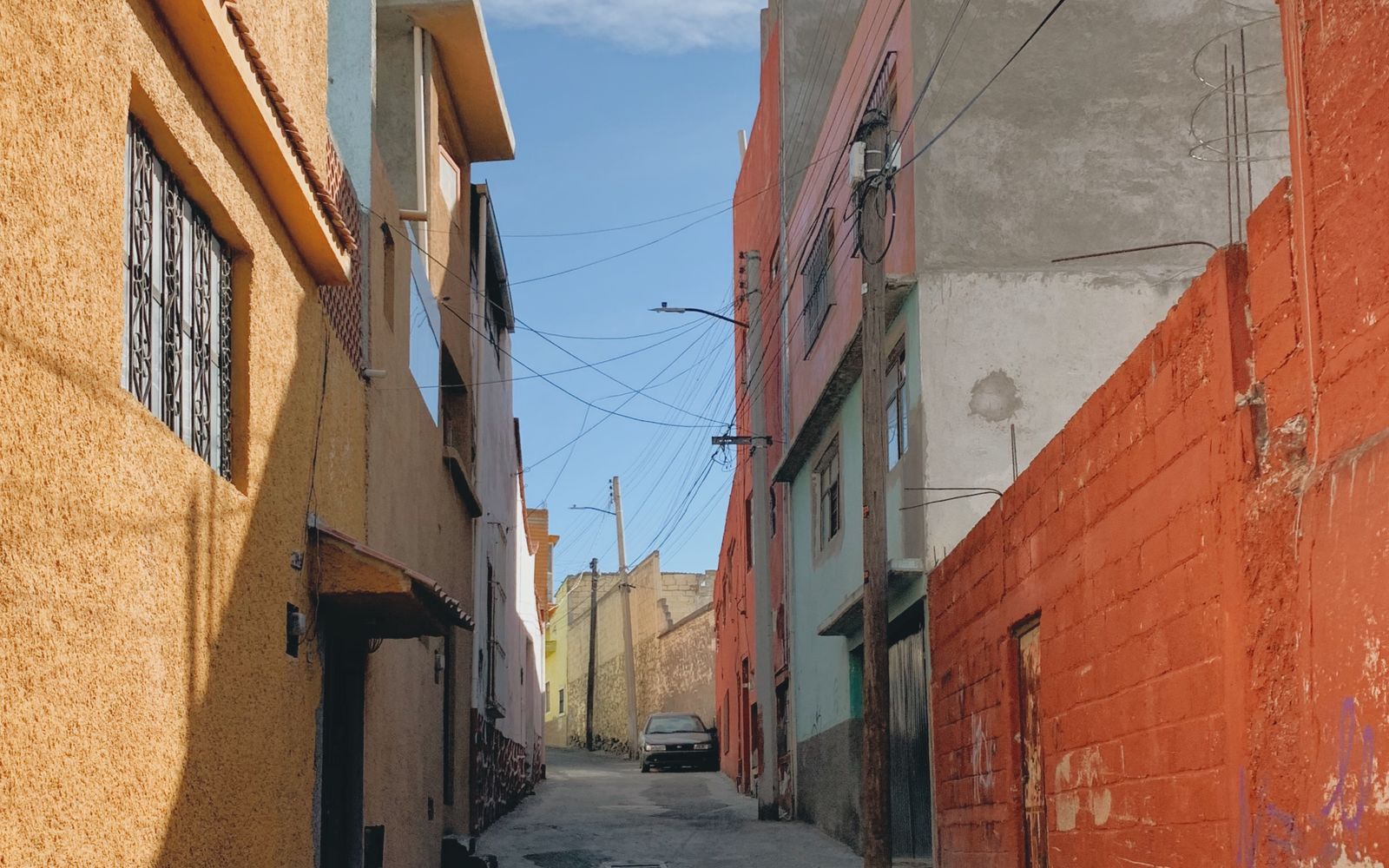
Los Cabos is technically one destination, but Cabo San Lucas and San José del Cabo are two distinctly different towns sitting about 20 miles apart on the southern tip of Baja California Sur. Add the Corridor between them and you have three distinct places to base yourself, each with a different personality. The town you pick shapes the whole trip. Here is how to read the differences.
The Short Version
Cabo San Lucas is loud, Marina-centric, and built for people who want beach clubs, deep-sea fishing, and a lively bar scene. San José del Cabo is quieter, walkable, and centered on a colonial town square and an art district. The Corridor is for resort guests who want to stay in a big property and rarely need to leave. None of them is better. They suit different travelers.
Cabo San Lucas: The Marina and the Party
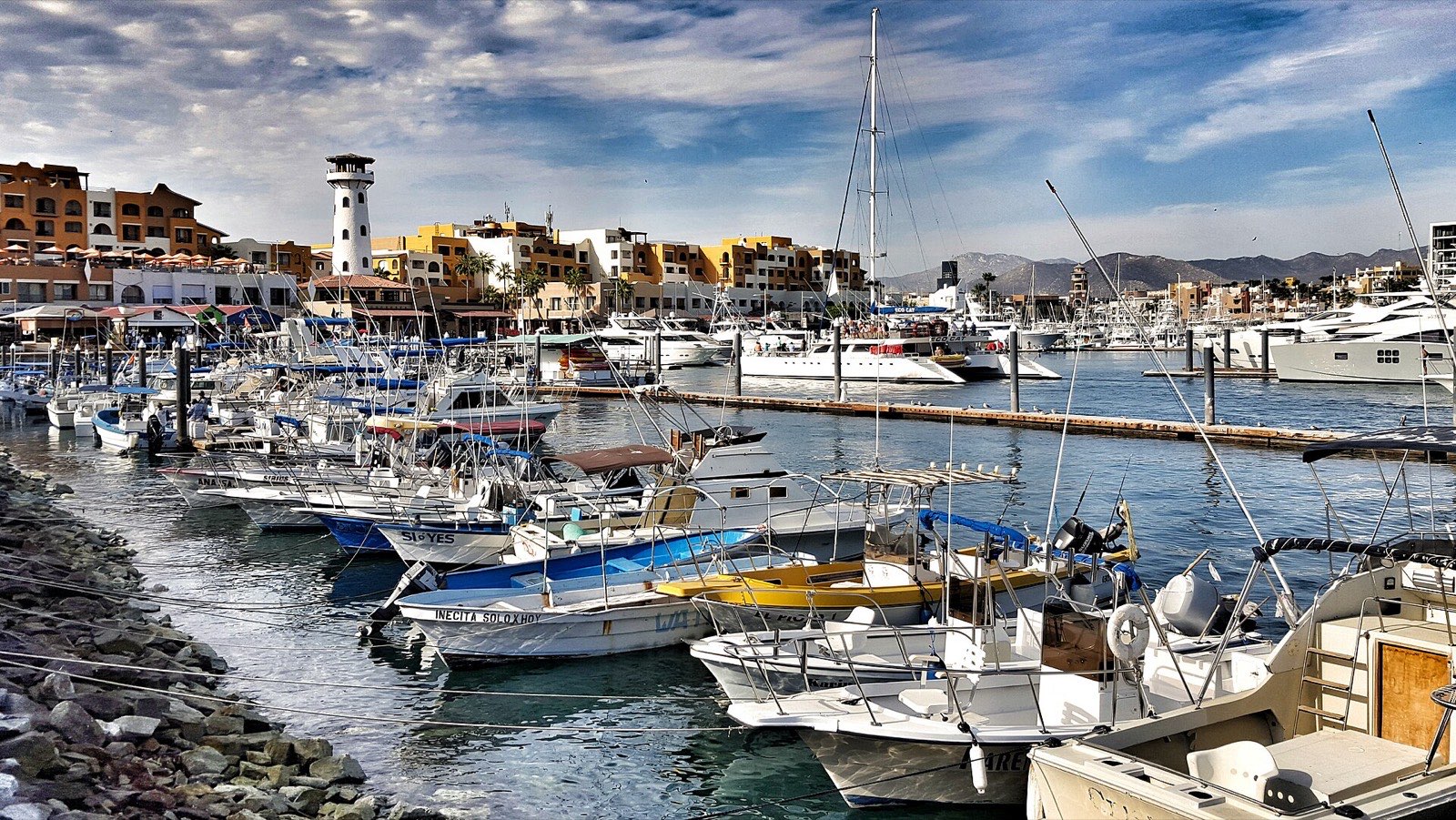
The thing that defines Cabo San Lucas is the Marina. It is the operational heart of the town: where the sportfishing fleet ties up at sunrise, where the glass-bottom boats depart for Land’s End, where restaurants spill down to the water and live music starts before dinner. You can walk the full Marina in about 15 minutes, but you will rarely get through it without stopping.
El Arco, the granite arch at Land’s End, is the defining image of all of Los Cabos. Water taxis from the Marina run you out to Lover’s Beach on the Sea of Cortez side (calm, swimmable in the cove) and Divorce Beach on the Pacific side (rough surf, not safe for swimming, but dramatic). The round trip is roughly $15-20 per person and takes about 20 minutes.
Médano Beach is the main town beach, running along a wide crescent just east of the Marina. It is the only truly swimmable beach in Cabo San Lucas proper. Beach clubs line the sand and you can rent jet skis, paddleboards, and banana boats, or just plant yourself at a palapa table for the afternoon. The water is calm because the cove is sheltered from the Pacific.
Nightlife is concentrated on the Marina strip and the blocks just inland. Bars range from open-air spots on the water to stadium-style clubs. If a loud night out is part of the plan, Cabo San Lucas is where you want to be. If it is not, the noise can wear on you after a few days.
Who it suits best: Bachelor and bachelorette groups. First-timers who want everything close and walkable. Sportfishing travelers (the fleet is right there). Couples who want a beach club scene and are fine with a busier pace.
Insider detail: Book the water taxi for Lover’s Beach in the morning. By midday the cove fills up and the boats run back-to-back. Early morning, before 9am, you can have the Sea of Cortez side nearly to yourself.
San José del Cabo: Colonial Town, Art District, Calmer Feel
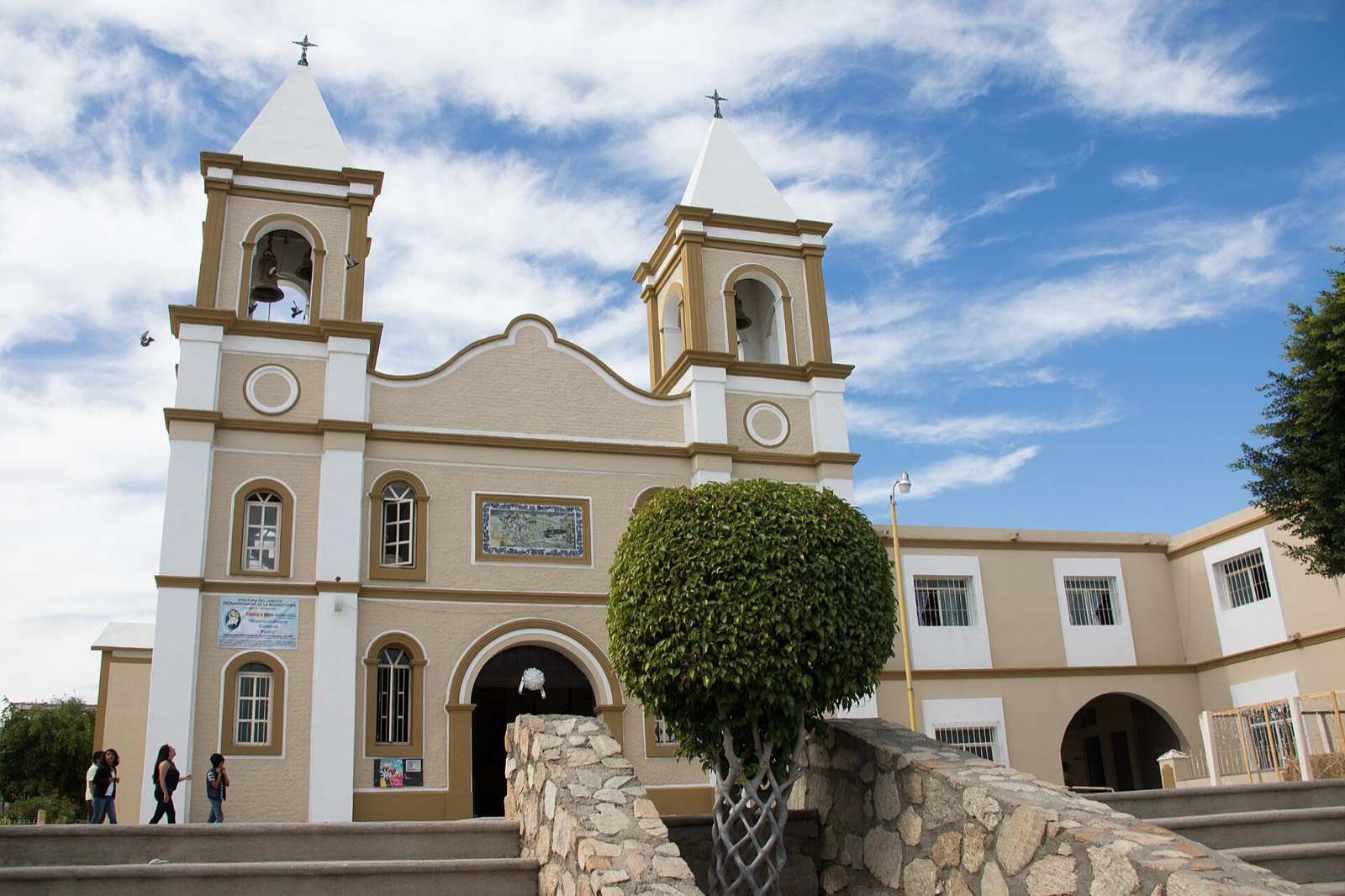
San José del Cabo sits about 30 minutes from Los Cabos International Airport, which matters if you land late or leave early. The town is built around a 1730s mission church and a zócalo, a central plaza shaded by Indian laurel trees where locals and visitors sit through the cooler evenings. Around that core, the streets grid out in painted concrete and tile.
The San José del Cabo Art District runs for several blocks along Calle Obregón and the surrounding streets. Galleries show Baja artists alongside international work. On Thursday evenings from November through June, the Art Walk runs from roughly 5pm to 9pm: galleries open their doors, street musicians set up, and mezcal gets poured. It is one of the better things to do in Los Cabos that has nothing to do with the ocean.
Dining in San José skews toward sit-down restaurants with local ingredients rather than the beach club formula. You will find spots doing Baja Mediterranean, fresh seafood from the day’s catch, and cocktail lists built on Sonoran and Baja spirits. Dinner here can be much quieter than the Marina scene, which suits couples and travelers who want to talk through a meal.
Palmilla Beach, just outside town toward the Corridor, is calm and family-friendly. The surf break at Costa Azul, south of town, is where Cabo’s surf community congregates around Zippers and The Rock breaks.
Who it suits best: Couples and honeymooners who want a slower pace. Art and food travelers. Families who want a quieter base. Repeat visitors who have already done the Marina scene.
Insider detail: San José’s zócalo is at its best on weekend evenings when local families are out. The church facade is lit at night. It is worth at least one dinner close enough to sit outside and watch it.
The Corridor: Resorts, Golf, and the Best Swimmable Coves
The 20-mile stretch of Highway 1 between the two towns is called the Tourist Corridor, and it holds most of Los Cabos’ large resort properties. If you are staying at a big all-inclusive or a five-star property, you are probably here.
The two best natural swimming beaches in all of Los Cabos are in the Corridor: Chileno Beach and Santa Maria Beach. Both are protected coves on the Sea of Cortez side of the Cape, both have Blue Flag status, and both have clearer water and calmer conditions than Médano. Chileno has palapas and a food vendor or two; Santa Maria has almost nothing except the water and a horseshoe of sand, which makes it worth the trip.
Golf is concentrated in the Corridor. Courses like Cabo del Sol, El Camino Real Diamante, and Palmilla wind through desert terrain with ocean views. Green fees at the higher-end courses run in the $200-400 range depending on season and tee time, with Corridor courses tending toward the top of that range. If you are a golfer, proximity to the courses is a real reason to stay here.
The Corridor’s weakness is that it is not walkable. You need a car or resort shuttle to reach anything. The towns feel far away at the end of a long resort day. For travelers who prefer to stay on-property and are not interested in wandering, that is fine. For everyone else, it is a trade-off.
Who it suits best: All-inclusive guests. Golf travelers. Honeymooners who want a resort bubble. Families staying somewhere with kids’ clubs and pools.
Insider detail: You can access Chileno and Santa Maria as a day visitor even if you are staying elsewhere. Both beaches have public access. Parking is limited at Santa Maria; arrive before 10am. Chileno has a small parking lot and usually fills by midday on weekends.
Comparing the Beaches
The beach situation is a real decision factor. If swimming in the ocean is a priority, you need to know where it is safe:
- Médano Beach (Cabo San Lucas): the main swimmable town beach; calm, beach clubs, and water sports
- Lover’s Beach (Cabo San Lucas): swimmable in the Sea of Cortez cove, not on the Pacific side
- Chileno Beach (Corridor): calm, snorkeling, the best Blue Flag cove in the region
- Santa Maria Beach (Corridor): calmer than Chileno, snorkeling, no facilities
- Palmilla Beach (San José del Cabo): calm and family-friendly
- Solmar Beach (Cabo San Lucas): dramatic Pacific beach with dangerous currents, walking and sunsets only
Pacific-facing beaches across the entire Cape have strong currents and are generally not safe for swimming. The flag system applies at all beaches: green means safe, yellow means caution, red means stay out.
Where to Eat
Cabo San Lucas dining is concentrated around the Marina, with beach club restaurants and open-air seafood spots ranging roughly $15-40 per person for food before drinks. The Marina area trends toward higher-energy, tourist-facing spots. Some genuinely good restaurants are there; you just have to find them past the promotional menus.
San José del Cabo has more variety at the sit-down level. The blocks around the Art District and the zócalo hold some of the best independent restaurants in the region, with mains typically in the $18-35 range. Local spots closer to the mercado run cheaper and are worth seeking out for lunch.
The Corridor has resort restaurants and, increasingly, standalone destination restaurants near the big properties. Prices are at the top of the range here.
For planning purposes, budget roughly $60-100 per person per day for food and drinks combined if you are eating out for every meal in Cabo San Lucas or the Corridor. San José can run a bit less if you mix in local spots.
Where to Stay
You can stay in one town and day-trip to the other. The drive between Cabo San Lucas and San José del Cabo on Highway 1 takes about 30-40 minutes depending on traffic. Rental cars make the Corridor beaches accessible from either town.
If you are not renting a car, stay in Cabo San Lucas: the Marina and Médano are walkable, and taxis and rideshares are easy to find. San José is also walkable within the downtown, but getting to Chileno or the Corridor without a car requires arranging transportation.
The Los Cabos Travel Guide covers resort and hotel options across all three zones, organized by budget and type.
Timing Your Trip
Both towns run year-round. Peak season runs November through April with dry weather, daytime temperatures in the 75-85F range, and lower humidity. This is also gray whale and humpback season through mid-April, which is one of the better reasons to visit during that window. The best time to visit guide breaks this down by month.
Summer is hot and humid, with hurricane risk from July through October. Water temperatures peak in the mid-80s F during August through October, which is the best snorkeling and diving season if you are willing to work around the weather window. Prices also drop significantly in summer.
If whale watching is on your list, read the best time to see whales in cabo post before you book. The season has specific peaks and the experience varies a lot depending on when you go.
How Many Days in Each Town
If you are deciding how many days you need in Cabo, a useful split for first-timers is to base in Cabo San Lucas for the Marina access and Land’s End, then spend at least half a day in San José for the Art District. With a week, you have time to explore the Corridor beaches properly and add a day trip toward Todos Santos or the East Cape.
If you have done the Marina scene before and want to explore a different side of Los Cabos, basing in San José for an entire trip makes more sense than it might sound. The airport is close, the town is genuinely good for walking, and the Corridor beaches are an easy 20-minute drive.
The Bottom Line
Cabo San Lucas and San José del Cabo are different enough that the choice matters. If you want nightlife, the Marina, and a beach-club energy around Médano, stay in Cabo San Lucas. If you want walkable colonial streets, better sit-down dining, and a quieter pace, San José is the right call. The Corridor suits guests who plan to stay on-property most of the time and want golf or a large resort pool.
Most travelers, if they have the time, do some combination: base somewhere, but spend at least one evening in the other town. The 30-minute drive is easy enough that you do not have to choose only one.