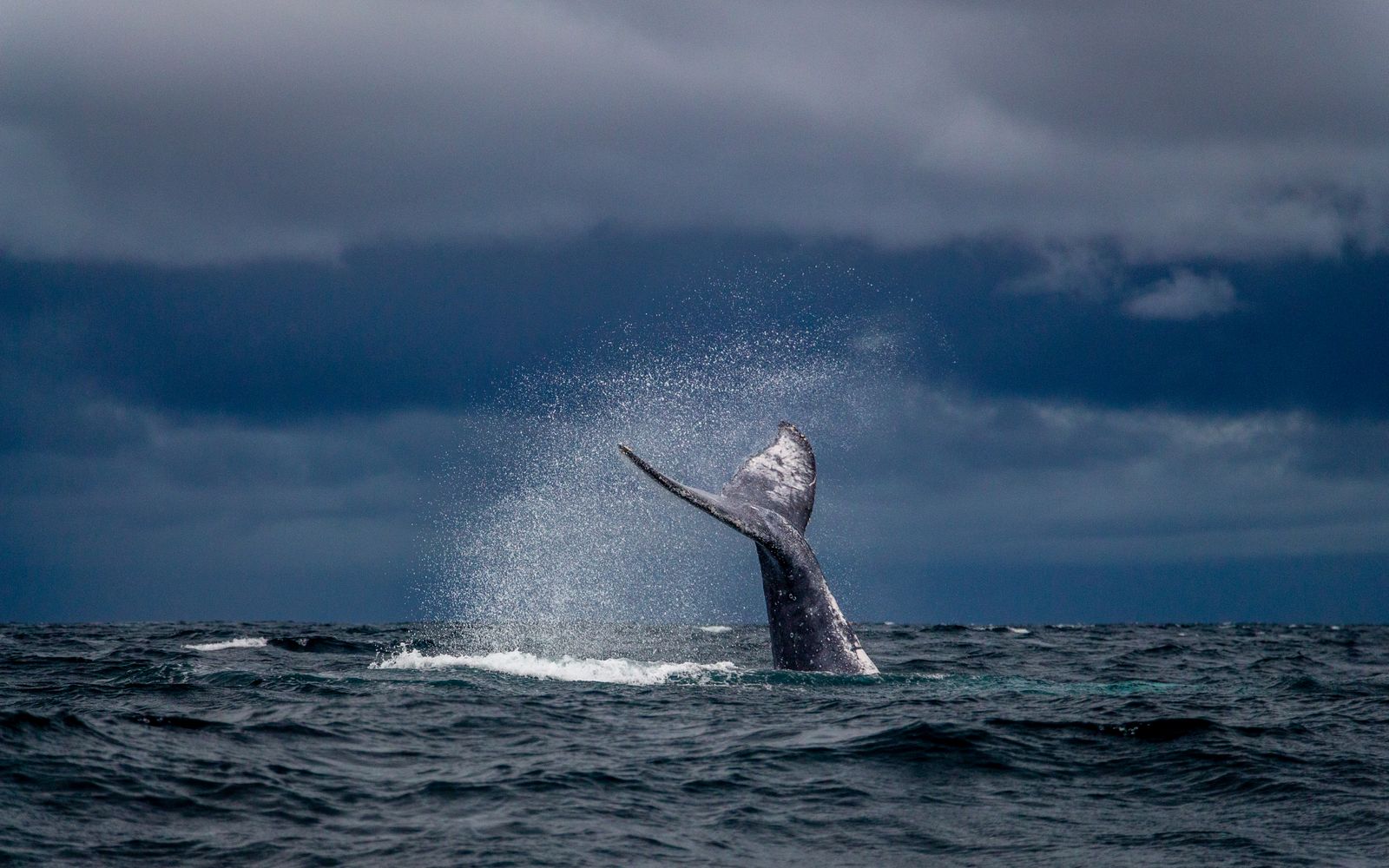
Whales don’t arrive in Los Cabos on a fixed schedule, but if you’re planning around them, the window that consistently delivers is mid-December through mid-April, with January through March being the sweet spot. During those months, the Sea of Cortez and the nearshore Pacific off the Baja peninsula fill up with some of the largest animals on the planet. A morning on a whale-watching boat here is one of those experiences that’s hard to compare to anything else.
This guide covers the peak months, which species you’ll see and when, what tour options look like, and the practical details that make the difference between a great outing and a frustrating one. For the full picture on booking a tour, visit the Whale Watching activity page.
The Core Whale Season Window
The migration begins in mid-December as whales head south from cold-water feeding grounds in the North Pacific. By early January the numbers are building. January, February, and March are peak months: the water is calm, the weather is clear, and whale density is at its highest. By late March, activity starts tapering as whales begin moving back north. The season officially closes around mid-April, though isolated sightings happen earlier and later than those bookends.
This timing lines up well with the broader best time to visit Los Cabos. You’re already in the dry season, daytime temperatures are in the upper 70s to low 80s Fahrenheit, and the Sea of Cortez is typically glassy in the morning before any afternoon breeze picks up. The combination of ideal whale conditions and ideal beach weather is one of the reasons winter trips to Cabo book up fast.
Which Whales You’ll See
Humpbacks
Humpback whales are the star of most whale-watching trips out of Cabo San Lucas. They winter here to breed and calve, and they’re the most reliably active species visually. Humpbacks breach, slap their flukes, and spy-hop, giving boats within legal distance a lot to watch. Adults reach around 50 feet and weigh up to 40 tons. Peak humpback activity runs January through March, with good numbers starting in late December.
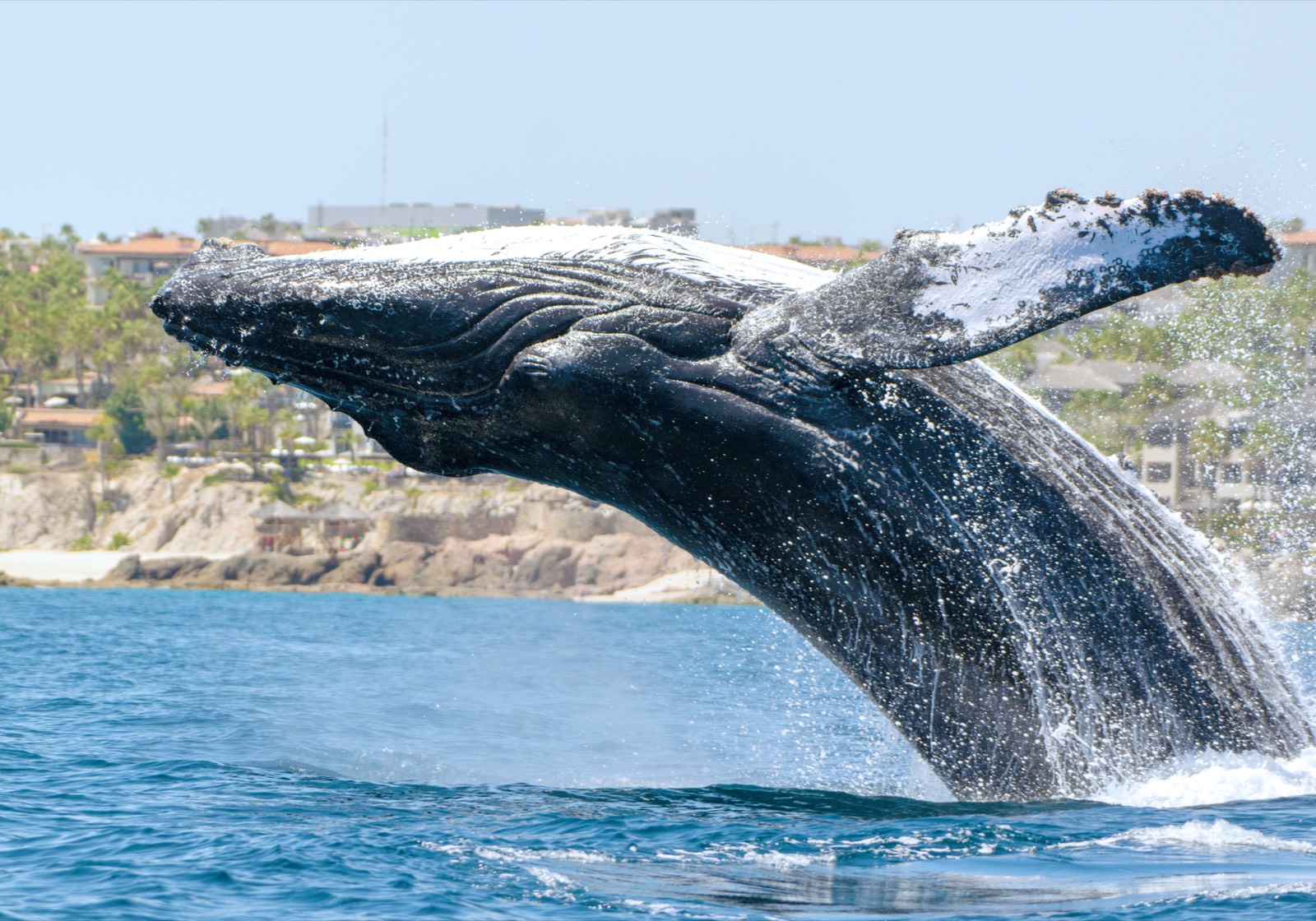
The area around Land’s End, El Arco, and the open water just south of the marina is productive. Humpbacks are often spotted within a few miles of the harbor entrance, which keeps tours short in transit time and longer on the water with animals.
Gray Whales
Gray whales follow a different path. They migrate from the Bering Sea to their breeding lagoons on the Pacific coast of Baja, primarily Laguna Ojo de Liebre (also called Scammon’s Lagoon) and Laguna San Ignacio, which are about 300 to 400 miles north of Cabo. From tours operating out of Los Cabos, you’ll see gray whales transiting the Pacific side rather than concentrated in a lagoon, so sightings are less predictable than with humpbacks.
Peak gray whale transit past the Cabo area runs late December through February. If gray whale lagoon experiences are your main goal, a dedicated trip to the lagoons in Baja Magdalena (about a 3-hour drive north) is worth considering as a day trip or overnight add-on.
Blue Whales
Blue whales are the largest animals ever known to have lived on Earth, reaching up to 100 feet. The Sea of Cortez supports a population that stays year-round, but sightings from whale-watching tours are not guaranteed and tend to come from longer offshore trips. If a tour operator promises blue whale sightings, take that claim with appropriate skepticism. They happen, but they’re a bonus, not a baseline expectation.
Boat Tour vs. Watching from Shore
On the Water
A dedicated whale-watching boat puts you in the right location with a guide who knows how to read whale behavior and position the vessel responsibly. Tours out of Cabo San Lucas typically run 2 to 3 hours, depart from the marina, and cost somewhere in the range of $60 to $120 per person depending on group size, vessel type, and what’s included. Smaller panga-style boats (6 to 10 passengers) tend to get closer looks because they’re more maneuverable. Larger catamarans offer more stability, which matters if anyone in your group is prone to seasickness.
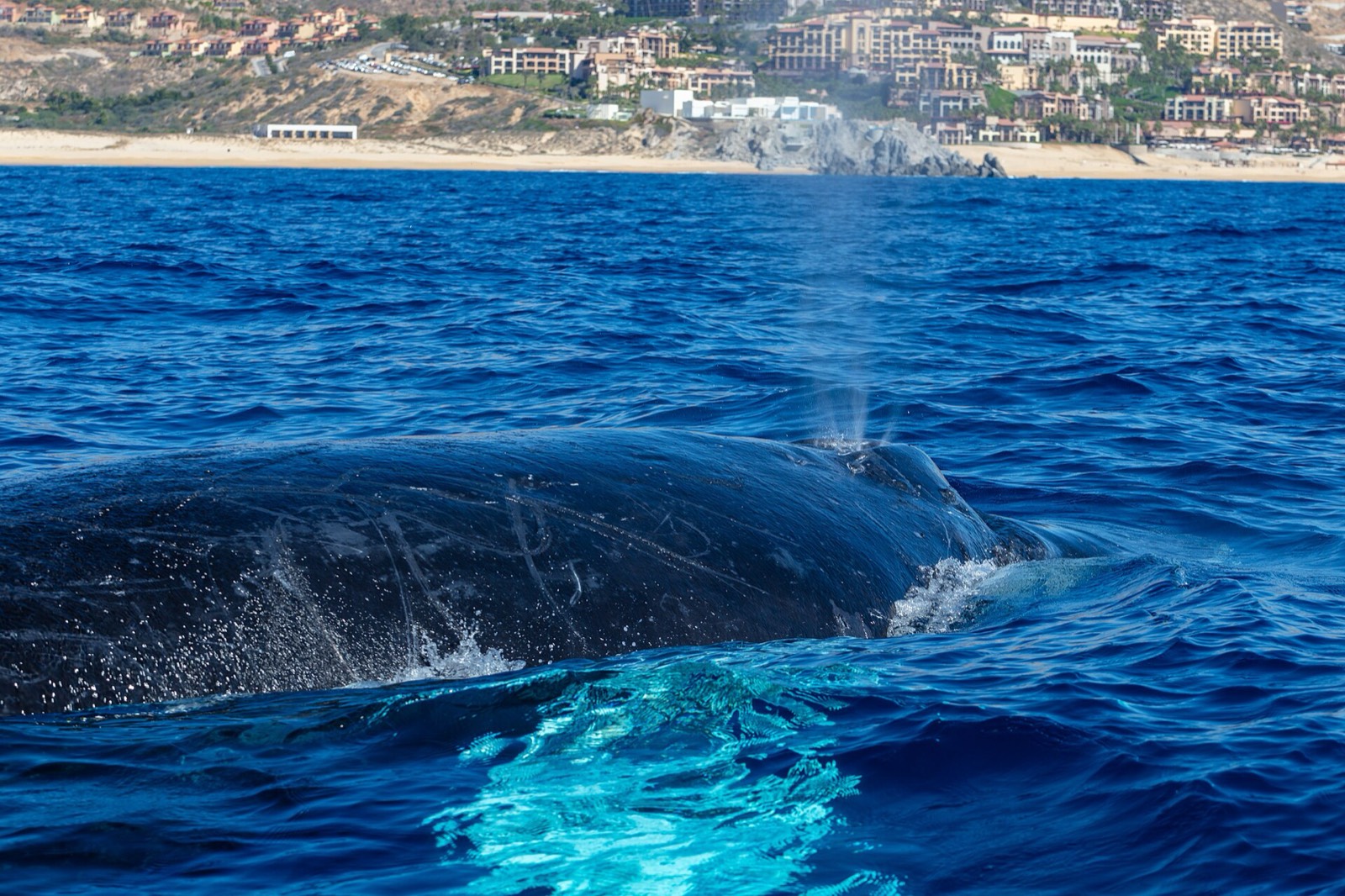
Morning departures are almost always better than afternoon. Wind typically increases through the day, and the morning light is cleaner for both seeing and photographing.
From the Shore
You don’t need a boat to see whales in Cabo. Land’s End, the bluffs at Solmar Beach, and the lookout points along the Corridor highway are all viable shore-watching locations during peak season. Humpbacks breach close enough to shore that binoculars make it a legitimate experience, especially in January and February when they’re most active. The experience isn’t as immersive as being on the water, but it’s free and requires no reservation.
The Corridor’s elevated coastline between Cabo San Lucas and San José del Cabo has several pulloffs where you can park and scan the water for 20 to 30 minutes. This is worth building into a drive if you’re heading between the two towns anyway.
What to Bring on a Whale-Watching Boat
Pack lighter than you think you need, because cabin space on smaller pangas is minimal. Bring:
- Sunscreen, applied before you board (reef-safe is required in the marine sanctuary zones)
- Sunglasses and a hat: glare off the water is intense even on overcast days
- A light windbreaker or fleece: January and February mornings can be genuinely cool on the water, even if the air onshore feels warm
- Seasickness medication if you’re prone: take it an hour before departure, not when you’re already feeling off
- Camera or phone with a good optical zoom: whale encounters can be brief, so having the camera ready matters more than having the best gear
- Water: most boats provide some refreshments, but you’ll want your own
Leave your big beach bag onshore. On a small panga, it becomes everyone else’s problem.
Ethics and Regulations
Mexico’s Secretariat of Environment and Natural Resources (SEMARNAT) sets rules for how close vessels can approach whales, and reputable tour operators follow them. The general principle is that boats should not approach within 100 meters of a whale, should not position themselves to intercept a whale’s path, and should cut engine speed near animals.
A few things to watch for when booking: operators who offer guarantees of close-up encounters should raise a flag, because responsible distance-keeping can’t always deliver that. If a boat crowds a whale or its calf, that’s a sign the operation prioritizes short-term experience over animal welfare. The better operators will explain the regulations before departure and enforce them on the water.
Whale watching in Los Cabos is not an extractive experience. The whales are here to breed and calve, and keeping that stress-free is what sustains the population and the tourism around it.
Planning Around Whale Season
If whale watching is the primary reason for your trip, book for the last two weeks of January or the first two weeks of February. That window has the highest whale density, the calmest sea conditions statistically, and the longest daily window before afternoon wind picks up. February also lines up with lower resort rates compared to the Christmas and New Year’s surge, so it’s good value.
If you’re already coming to Cabo for other reasons and want to add a whale-watching morning, any time from mid-December through the end of March works. The risk of a slow trip drops sharply in January and climbs again as you approach mid-April.
One practical note: book your tour at least a few days in advance during peak January and February. The good boats fill up, especially on weekends. Walk-up availability exists, but you won’t have much choice in operator or departure time.
Before You Go
A few logistical details that affect whale-watching trips specifically:
You’ll need a valid passport to enter Mexico. If you haven’t sorted that out yet, do you need a passport for cabo walks through the entry requirements. Also worth reading before you arrive: can you drink the water in cabo covers the basics about food and water safety, which is relevant if your tour includes a snack stop or you’re buying drinks at the marina before boarding.
The marina area in Cabo San Lucas has several tour booking kiosks, and many resorts have concierge desks that can arrange the same tours. Prices from resort concierges sometimes carry a markup, so if cost matters, comparing a few options directly is worth the 20 minutes it takes.
The Broader Los Cabos Context
Whale season runs parallel to the peak of the Cabo travel season, which is part of what makes it so easy to fold into a trip. You’re not chasing a window that requires off-peak travel or rough conditions. The whales arrive right as the weather is at its best and the resort scene is fully operational.
The Los Cabos Travel Guide covers what else is happening across the region during these months, from snorkeling the swimmable coves at Chileno and Santa Maria to sportfishing the offshore banks. Winter is when Cabo shows its best version. The whale migration is one of the most compelling reasons to see it.