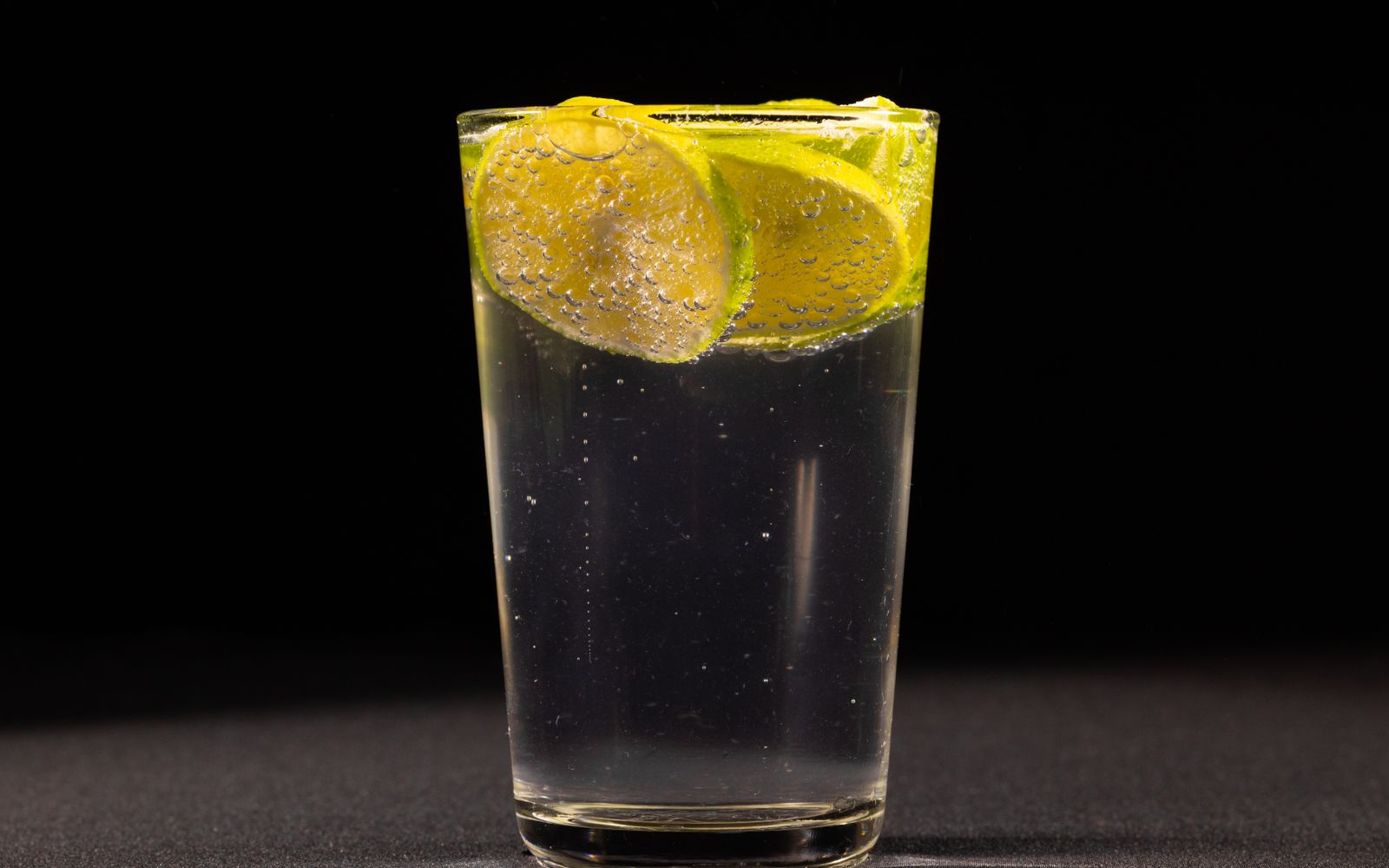
The question comes up on every Los Cabos trip, and the answer is straightforward: do not drink tap water in Cabo. This is not a scare tactic. The municipal water infrastructure in Baja California Sur is simply not built to the same treatment standards as US systems, and what’s safe for locals who have built up tolerance over years can send a first-time visitor to the bathroom for two days.
The good news is that staying healthy here is easy once you know the rules. Bottled and purified water is everywhere, your resort almost certainly uses purified water throughout the property, and Los Cabos has the most tourist-developed hospitality infrastructure in all of Mexico. This is one of the most well-visited destinations in the world. The water situation is well-understood and easily managed.
Here’s everything you need to know before your trip. And while you’re planning, the full Los Cabos Travel Guide and is Cabo safe page cover the broader picture.
Tap Water: Just Skip It
Los Cabos sits in one of the most arid regions of North America. The Sonoran Desert meets the sea here, and fresh water is genuinely scarce. The municipal system draws from underground aquifers and treats water, but the pipes throughout the region are aging and uneven. Contamination can enter between the treatment facility and the tap, and treatment standards differ from what the US EPA requires.
The rule: never drink from a hotel room tap, a restaurant sink faucet, or a public fountain. This includes water used to rinse your mouth after brushing your teeth (more on that below).
You do not need to be paranoid about showering or swimming in pools. The amount of water you’d accidentally swallow is minimal, and resort pools are treated with chlorine to US-comparable standards. The issue is drinking water specifically.
Bottled Water Is Everywhere
Bottled water in Cabo is cheap, widely available, and the default for everyone including locals. You can find it at every OXXO (the convenience store chain that appears every few blocks), Walmart (there’s a large one in Cabo San Lucas near the marina), and any grocery or resort gift shop.
Standard 1.5-liter bottles run about 15-25 pesos, which is under $2 USD at current exchange rates. Buy a case from a grocery store and keep it in your room. It is genuinely not a logistical problem.
Most resorts and hotels also provide complimentary bottled water in rooms, often refilled daily by housekeeping. If yours does not, ask at the front desk. They will either provide it or point you to where it is sold on property.
Resort Water and Purified Ice
This is where many visitors get confused. The widespread advice to “avoid ice” does not apply equally everywhere.
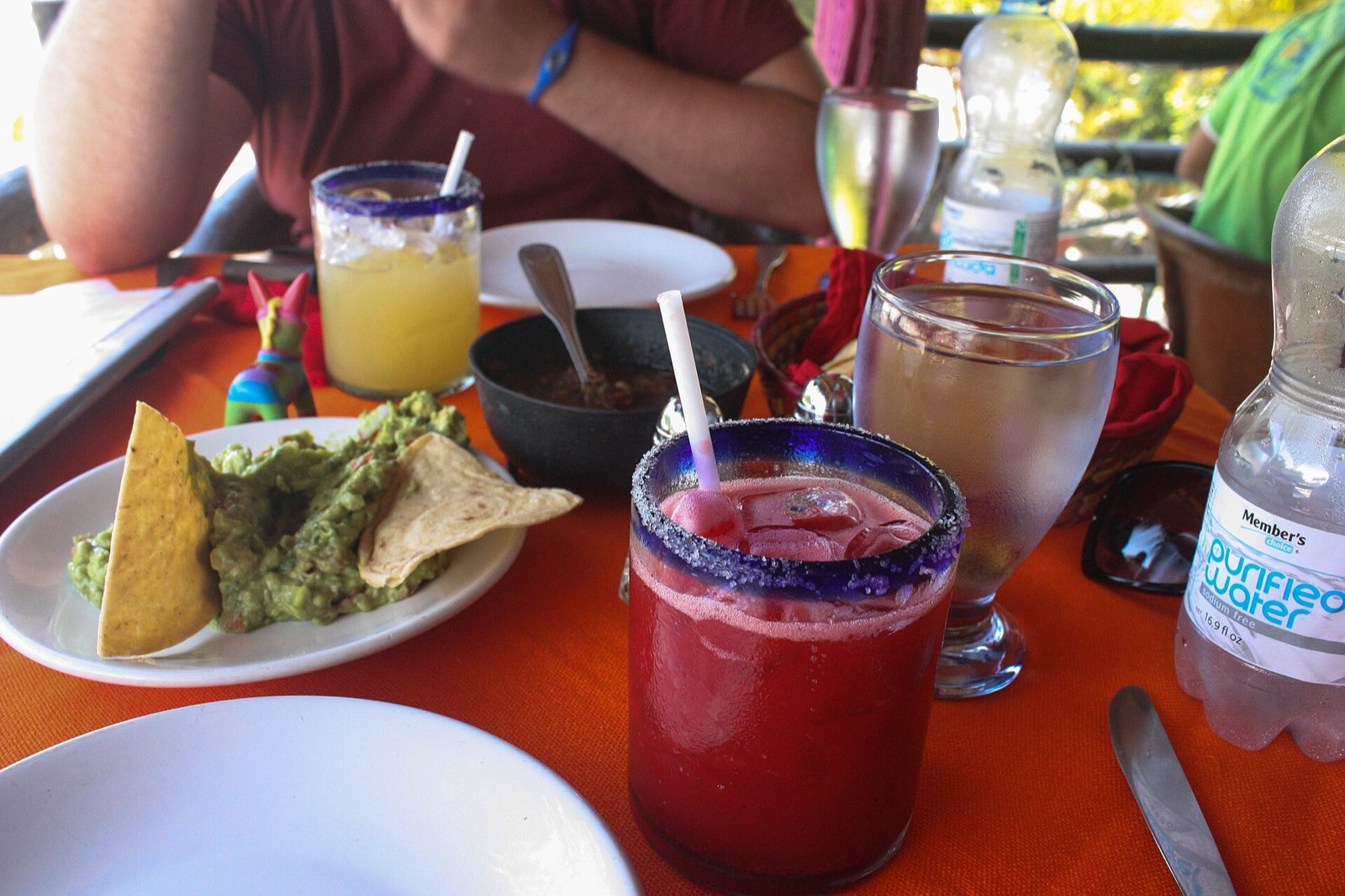
Established resorts throughout the Los Cabos Travel Guide corridor, from the Palmilla area through Cabo San Lucas, use purified water systems throughout the property. Ice at resort restaurants and swim-up bars is made from purified water. The water used to wash your salad is purified. You can eat fruit, salads, and ice at a well-run resort without worry.
The question to ask yourself is: where are you eating?
At a Corridor resort, a marina restaurant, or any established sit-down spot in San José del Cabo’s art district, the kitchen almost certainly uses purified water and commercial ice made from it. At a street taco stand or a casual roadside spot off the tourist corridor, the standards vary. The food itself at street stands is often excellent and safe, but use your judgment about drinks with ice. Stick to bottled beverages or canned drinks, which are served cold and do not need ice.
The Brushing Your Teeth Rule
Yes, you should use bottled water to brush your teeth. This feels like overkill, but it’s the one place where people let their guard down after spending three careful days drinking only bottled water, and then they rinse with tap water and wonder why they got sick.
Keep a small water bottle on the bathroom counter and use it for brushing. Some travelers fill the ice bucket from the tap and set it aside just for this purpose. The simplest approach is a 500ml bottle designated for the bathroom.
Food Safety Beyond Water
Water is the main variable, but a few food-related practices will keep your trip comfortable.
Fruit and vegetables washed in purified water are fine. At resorts and better restaurants, this is standard. If you buy fruit from a market or roadside vendor, wash it yourself with bottled water or choose fruit with intact peels you remove yourself: mangoes, papayas, bananas, and avocados are great choices.
Ceviche and raw seafood are a specific Cabo pleasure and generally safe at established restaurants where turnover is high and the kitchen is refrigerated properly. The acid in the lime juice does some work here, but the bigger factor is freshness. Order ceviche at places that are busy and clearly moving product.
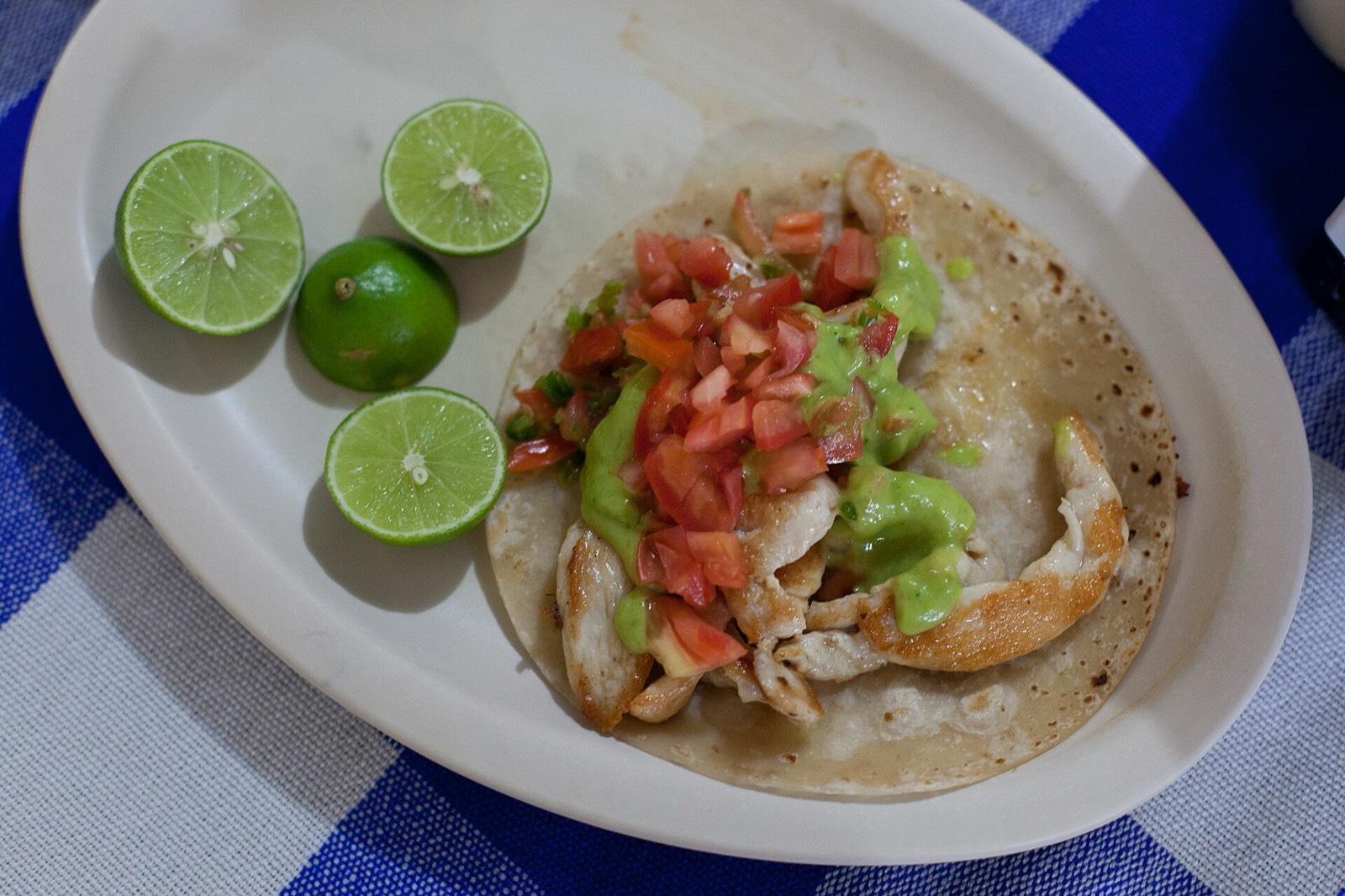
Hot street food like tacos al pastor, grilled shrimp tacos, and fish tacos cooked to order are usually safe because heat kills pathogens. The risk at street stalls is more in the sauces, garnishes, and salsas sitting out than the cooked protein itself.
Staying Hydrated in Desert Heat
The water safety topic is separate from the hydration topic, but they’re linked: if you’re nervous about water and under-drink, you’ll feel worse. Los Cabos averages around 350 sunny days a year, and from May through October temperatures regularly hit the low to mid-90s F with humidity. Even in peak season (November through April), temperatures run 75-85°F with strong sun.
You need more water than you think. A good baseline is 2-3 liters per day if you’re spending time outdoors, on the water, or doing any activity. Add electrolytes if you’re drinking alcohol, which dehydrates faster in the heat.
Coconut water is sold fresh from street carts around Médano Beach and the marina area. Limonada (fresh limeade) at restaurants is typically made with purified water at established spots. Both are good hydration sources beyond plain bottled water.
If you want to know the best time of year to visit for heat management, the best time to visit page has the month-by-month breakdown.
Three Insider Details Worth Knowing
Garrafones are the local standard. You’ll notice five-gallon blue water jugs, called garrafones, delivered to homes and small restaurants throughout Los Cabos. These purified water jugs are the local solution for drinking water, the same way people use filtration systems elsewhere. When you see one in a restaurant kitchen, it is a good sign they are serious about water sourcing.
Agua fresca at busy markets is usually fine. The colorful pitchers of agua de jamaica (hibiscus), horchata, and tamarind at established market stalls are typically made with purified water because vendors know their customer base is tourists. That said, busier stalls with high turnover are lower risk than ones sitting in the heat for hours.
Many resort pools are saltwater. This matters because if you’re debating between swimming in the ocean versus the pool, both are fine for incidental water contact. The real exposure risk remains drinking and eating.
What to Do If You Get Sick
Even with every precaution, some travelers experience stomach issues. Change in diet, different bacteria your gut hasn’t encountered, and the combination of sun, alcohol, and unfamiliar food can upset your system regardless of the water.
If you feel off, the standard approach:
- Hydrate aggressively with bottled water and electrolyte drinks (Suero Oral is a Mexican oral rehydration solution sold at pharmacies and OXXO stores)
- Stick to bland foods: rice, bread, soup with clear broth
- Imodium (loperamide) is available over the counter at pharmacies as “Lomotil” or under generic names and will stop symptoms quickly
- Most resorts have a nurse or doctor on call or on-site; do not hesitate to use them
If symptoms are severe, include high fever, or don’t improve within 24-48 hours, visit a clinic. San José del Cabo and Cabo San Lucas both have well-equipped private clinics staffed with English-speaking doctors and accustomed to treating tourists. Hospital H+, Amerimed, and Blue Net are the main English-friendly options.
Quick Reference: What’s Safe
| Source | Safe? |
|---|---|
| Hotel tap water | No |
| Bottled water | Yes |
| Resort restaurant ice | Yes (purified) |
| Street stand ice | Use judgment |
| Resort pool | Yes |
| Fresh fruit with peel | Yes |
| Washed cut fruit from resort | Yes |
| Agua fresca at busy market | Usually yes |
| Brushing teeth with tap | No |
Los Cabos sees millions of US visitors every year, and the overwhelming majority have no issues at all. The water situation is well-known to every hotel, resort, and established restaurant in the corridor. Follow the basics: bottle for drinking and brushing, trust resort kitchens, use your judgment at street stands, and stay genuinely hydrated in the desert heat.
For everything else you need before you arrive, the full Los Cabos Travel Guide covers logistics, beaches, activities, and the right gear to pack. If you’re planning beach time, the guide to swimmable beaches in cabo and what to wear in cabo are worth reading before you go.