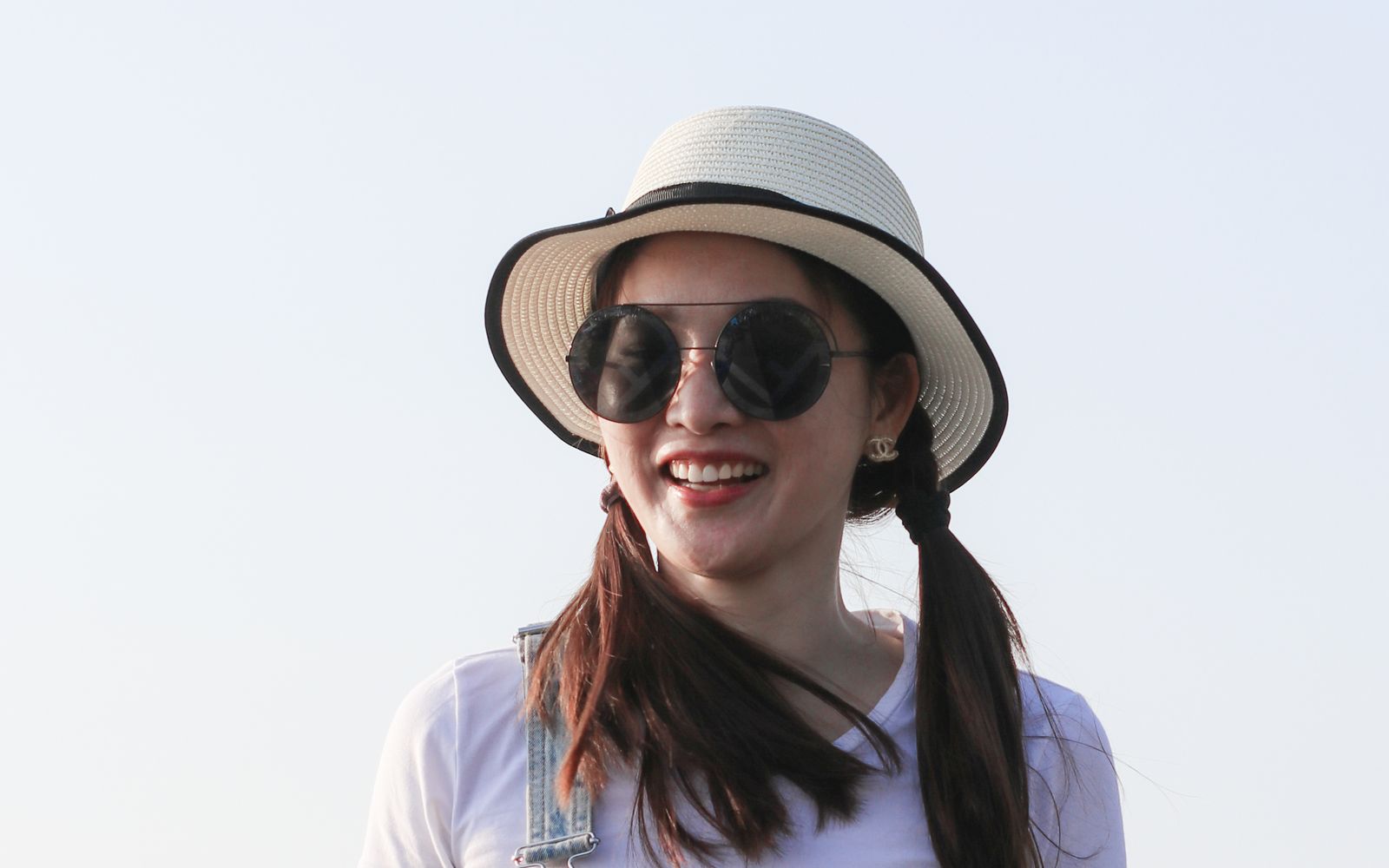
Los Cabos sits where the Sonoran Desert meets the sea, which means the sun hits differently here. The UV index regularly climbs above 10 even in winter, the daytime heat reflects off white sand and rock, and the wind off the Pacific can make you forget how fast you’re burning. Getting the clothing right isn’t about fashion. It’s about staying comfortable from the marina at noon to a rooftop bar at midnight.
This guide breaks it down by setting and by season. Check the full Los Cabos Travel Guide for more context on how the destination works before you start packing.
Beach Days: Médano and the Swimming Coves
For daytime beach time, keep it minimal and functional. A swimsuit, rash guard or lightweight cover-up, and a wide-brim hat are the foundation. Reef-safe sunscreen is non-negotiable. Most hotels sell it at a premium, so bring your own SPF 50+ and reapply every 90 minutes. The desert sun at sea level reflects off both water and sand, which doubles your exposure.
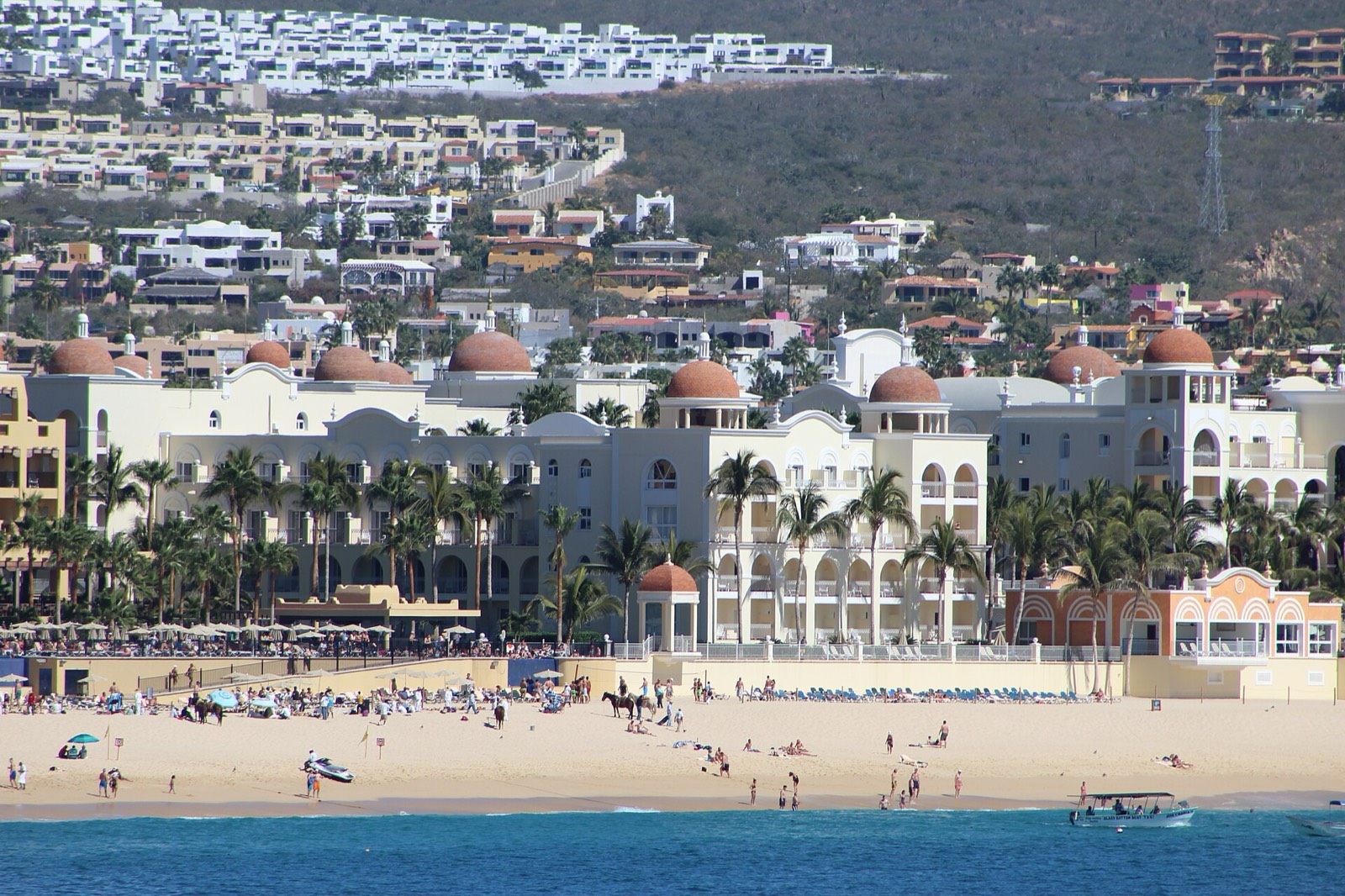
Médano Beach in Cabo San Lucas is the main swimmable stretch in town, and it gets packed on holiday weekends. The beach bars and water sports operators line the shore, so you’ll be moving around rather than just lying on a towel. Board shorts, a swimsuit, sandals you can slip off, and a loose linen shirt to walk back in are the right call. Read the guide to swimmable beaches in Cabo before you plan your beach days since several beaches that look inviting have rip currents and are not safe for swimming.
For Santa Maria Cove and Chileno Bay further up the Corridor, the setup is the same but the vibe is calmer. Water shoes are worth it at both spots since the rock entry at Chileno can be slippery.
Insider detail: Medano is often calmer in the morning before the wind picks up around midday. Go early if you want flat water for paddleboarding.
Resort Pool and Day-at-the-Resort Wear
Most Los Cabos resorts operate a relaxed daytime dress code. Swimsuit cover-ups, sundresses, linen shorts, and sandals are fine from the pool deck to the swim-up bar to the casual lunch spot. A few all-inclusives in the Corridor require you to wear a shirt and shoes in indoor dining areas even at lunch, but enforcement is casual.
Bring at least one breezy outfit that reads as “resort casual” for resort-hopping or touring the lobby bars. Flowy sundresses, linen trousers with a lightweight button-down, or a nice swim cover-up all work. You don’t need much of it, but one step above beachwear is worth having for afternoons when you leave the pool and want to browse the resort shops or sit at an indoor bar without feeling underdressed.
A lightweight scarf or wrap has double duty here. It handles the aggressive air conditioning in resort restaurants and indoor spaces, and it works as sun protection on long pool afternoons.
Fine Dining Nights
Cabo San Lucas and San José del Cabo both have a genuine fine dining scene. Restaurants along the marina in Cabo San Lucas and in the San José del Cabo Art District pull in travelers who expect a proper dinner experience, and the dress codes reflect that.
The general rule: no swimwear, no flip flops, no athletic shorts. Beyond that, the standard is smart casual to business casual. For men, chinos or dark jeans plus a collared shirt gets you through most doors without issue. For women, a sundress, romper, or maxi dress in any fabric works for the top spots. A light cardigan or blazer is worth packing if you plan multiple restaurant nights since the transition from outdoor heat to air-conditioned dining room is a real swing.
For the very top-tier spots on the marina with ocean views, lean toward resort chic. Think linen blazer, nice sandals, or a styled maxi dress rather than a beach-print sundress. The romantic things to do in Cabo guide lists specific venues where dressing up pays off.
Insider detail: San José del Cabo’s Art District restaurants tend to be slightly more relaxed about dress than the marina restaurants in Cabo San Lucas, partly because of the slower, gallery-town pace. But both reward looking intentional.
Boat Trips and Water Activities
Footwear matters on boats. Flip flops and slides get slippery on wet fiberglass, and most charter operators will ask you to go barefoot or wear non-marking boat shoes. Bring a pair of closed-toe water shoes if you plan to snorkel at Land’s End or do a whale watch. They protect your feet at rocky entry points and double as grip on deck.
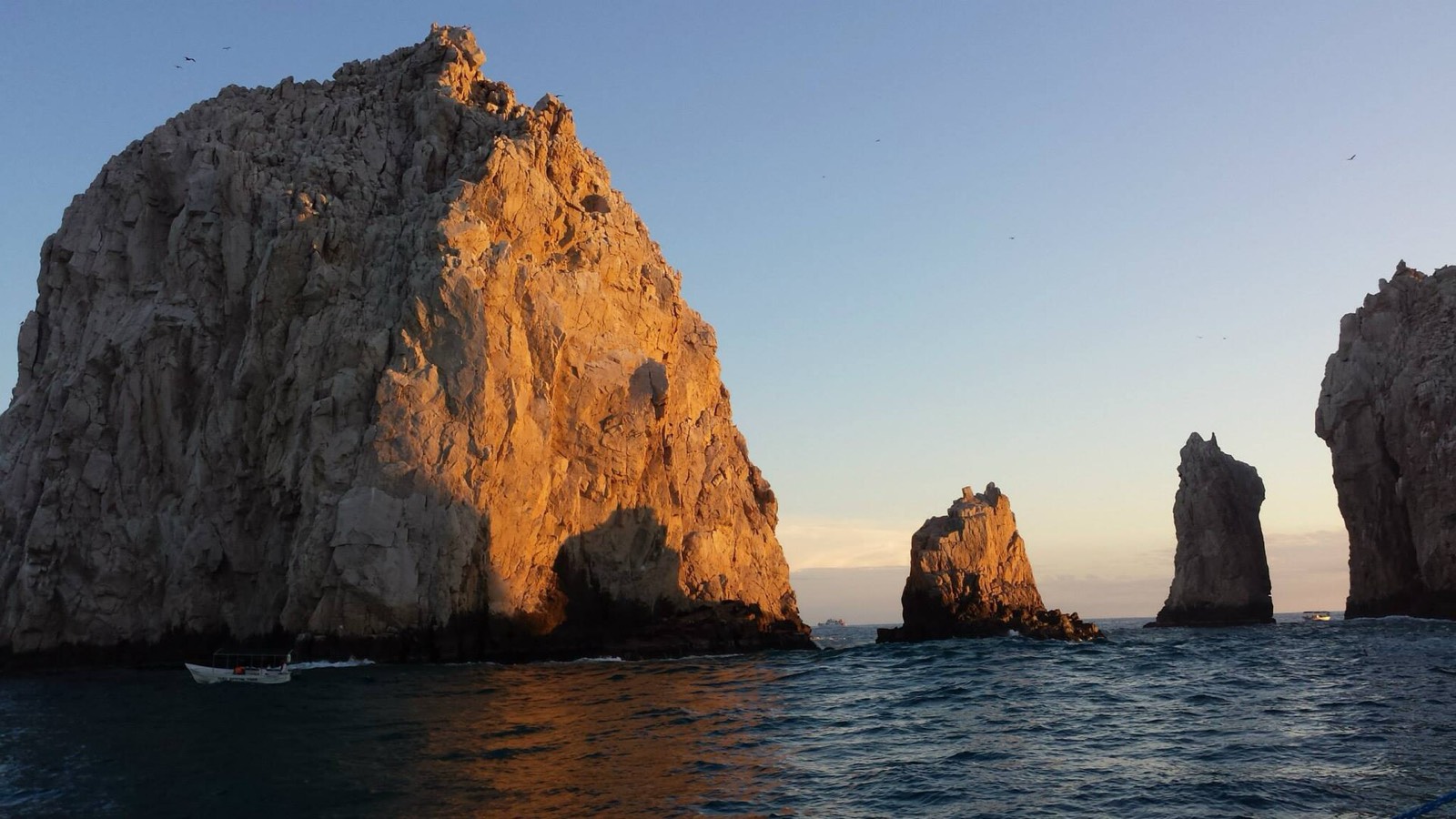
For sport fishing charters, the sun exposure on an open boat is serious. A long-sleeve moisture-wicking shirt, polarized sunglasses, a buff or neck gaiter, and a full-brim hat are standard among anglers who do this regularly. A buff covers your neck and lower face without trapping heat the way a regular hat brim can’t.
For ATV tours and off-road excursions in the Corridor or out toward the East Cape, cover up more than you think you need to. The desert dust coats everything, the sun is overhead, and the reflected heat off volcanic rock and dry sand adds intensity. Long linen pants over shorts and a long-sleeve lightweight layer are worth the slight warmth tradeoff.
Insider detail: Bring a small dry bag on any boat trip. Spray from the Sea of Cortez can be significant on windy mornings, and it’s saltier than you expect.
Day Trips: Todos Santos and La Paz
Todos Santos is a 45-minute drive north of Cabo San Lucas through the Baja desert. It’s a Pueblo Mágico with an active gallery scene and a more laid-back vibe than the marina. The dress code is casual but you’ll be walking cobblestone streets and poking in and out of shops and restaurants, so comfortable walking sandals or sneakers beat flip flops. Light, breathable clothing works well. It’s marginally cooler than Cabo San Lucas during peak season because of the elevation difference and Pacific exposure, but not dramatically so.
La Paz, roughly two hours north, is a genuine city with a malecón (waterfront promenade), a ferry port, and a local food scene that caters to Mexicans, not tourists. Dress comfortably for exploring on foot. The beaches around La Paz, including Balandra Bay, require navigating rocky and sandy paths to reach the water, so closed sandals or water shoes are more practical than slides.
What to Wear by Season
Peak Season: November Through April
This is when most US visitors come, and for good reason. Daytime temperatures run 75-85°F with low humidity. Mornings can be genuinely cool, particularly in December and January, with lows dropping into the mid-60s. That temperature swing matters.
Pack light daytime layers you can shed. A long-sleeve linen shirt or lightweight chambray over a tank top handles the morning boat ride or early round of golf without overheating by noon. For evenings from December through February, a light jacket or cardigan is not optional. Outdoor dining in San José del Cabo at 9 p.m. in January is comfortable in a denim jacket; it’s chilly without one.
The best time to visit page covers the climate in full, but the short version is: peak season is ideal and requires genuinely versatile packing rather than pure warm-weather gear.
May and June: Hot and Dry
These months are transitional. Humidity is still low, but daytime temps climb into the low 90s. Minimal, lightweight clothing is the move. Linen and moisture-wicking fabrics earn their keep. Water and sun protection become your primary concerns. Resort pools are less crowded than in winter and the pace slows considerably.
Summer and Fall: July Through October
This is the hot and humid window, with temperatures peaking in the high 90s and humidity making it feel like more. It’s also hurricane season, though most years Cabo sees only peripheral impacts rather than direct hits. Light, breathable fabrics that dry quickly are essential. Quick-dry shirts, linen shorts, and moisture-wicking layers handle the humidity better than cotton, which soaks through and stays damp.
The water temperature peaks at 82-84°F in August and September, which makes this the best time for snorkeling. Sun protection is still critical despite the haze, since UV penetrates cloud cover. A rash guard is worth wearing in the water for full days on the snorkel coves.
Sun Protection Is the Non-Negotiable
Whatever season you visit, whatever you’re doing, sun protection is the piece most visitors underestimate. The desert latitude and reflective surfaces mean you can burn in 20 minutes at the beach without protection, even in November.
The practical list: SPF 50+ sunscreen applied before you leave the room, a wide-brim hat with at least a 3-inch brim (baseball caps leave your ears and neck exposed), UV-blocking sunglasses, and a lightweight long-sleeve layer for long water days. Reapply sunscreen after swimming. The water at Médano and the snorkeling coves is clear enough that UV penetrates the surface while you’re in it.
Reef-safe formulas matter here. Several of the best snorkeling spots, particularly at Chileno and Santa Maria, are protected marine areas, and oxybenzone-based sunscreens damage coral reefs.
The Short Packing Framework
For a 5-7 night trip during peak season, you need: two or three swimsuits, one or two resort casual outfits for evenings out, one nicer outfit if you have a fine dining reservation, a light jacket or cardigan, a wide-brim hat, reef-safe SPF 50+, a rash guard for water days, comfortable walking sandals, and either water shoes or non-marking boat shoes if you’re doing boat trips.
For the full breakdown of what goes in the bag, the what to pack guide covers quantities, sizes, and what not to bother bringing.
The goal is to travel light enough that you can move between settings without hauling gear, but covered enough to not spend the second half of your trip dealing with a burn or underdressed for a restaurant you wanted to try.