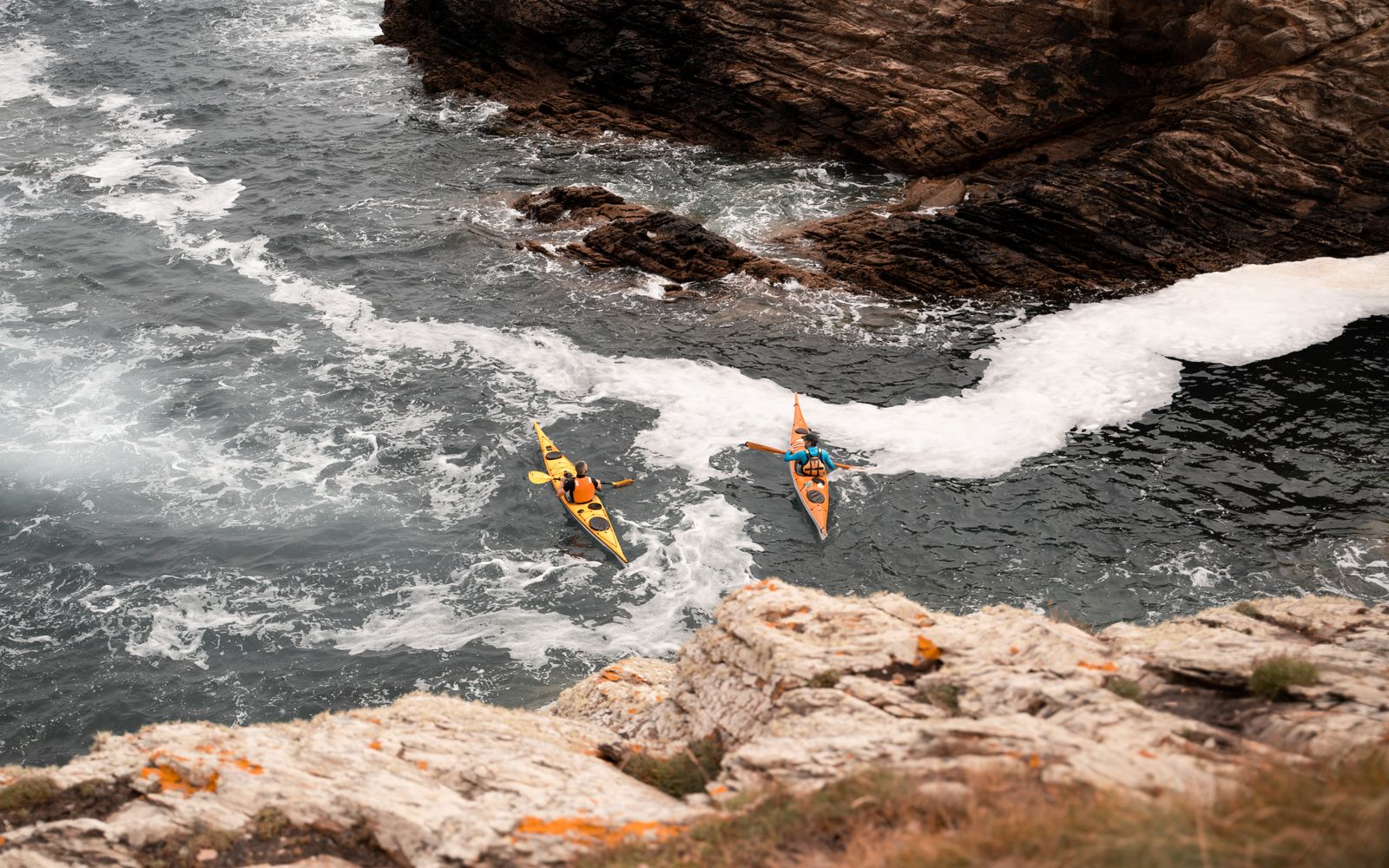
Overview
Five days is the right amount of time for this itinerary. Any shorter and you're skipping Cabo Pulmo or La Paz, which are genuinely non-negotiable if you care about marine life. Any longer and you start repeating yourself. The plan below runs Day 1 and 2 out of Cabo San Lucas, Day 3 east to Cabo Pulmo National Marine Park, Day 4 north to La Paz, and Day 5 back on local water for sportfishing. You can run it in reverse if your arrival airport schedule forces it, but the current order builds from accessible to remote and back, which works well with energy levels.
Timing matters here more than on a beach vacation. The whale shark season near La Paz runs October through April. Gray whale and humpback season along the Pacific side runs mid-December through mid-April. Sportfishing peaks October and November around the Bisbee's tournaments. November through February is when you can hit all five activities in this itinerary in a single trip. Outside that window you may need to swap the whale shark day for a sea lion swim instead. Check the best time to visit page for a full seasonal breakdown before you lock in flights.
A rental car is mandatory. Pick up at Los Cabos International Airport (SJD): plan roughly 90 minutes to Cabo Pulmo on Highway 1 east, and two to two and a half hours north to La Paz. Budget fuel into the trip. Book at least four of these activities before you arrive. The best operators fill up weeks out in peak season.
Day by day
Day 1: ATV Desert Ride and Camel Trek
Start early to beat the midday heat. ATV and UTV off-road tours in the Cabo area typically launch from the desert outside Cabo San Lucas, heading into dry arroyos, over sandy dunes, and up into the foothills with views back toward the Sea of Cortez. Half-day tours run roughly two to three hours and cover 20 to 30 miles of trail depending on the route. Estimate ranges for ATV tours run from about $80 to $150 per person for a half-day; UTV side-by-sides that seat two run higher, around $120 to $200 per person. Book through a licensed tour operator and confirm the route before you commit: some tours are mostly sand flats, while others push into true canyon terrain. The canyon routes are worth the extra effort.
After lunch, head out for the camel desert tour. Operators run these from the dunes south of Cabo San Lucas. Camel rides are slower and stranger than ATVs: you're elevated about eight feet off the ground on an animal that moves with a rolling sway. Most tours last 45 to 75 minutes and pair the ride with a desert walk through cardon cactus and agave. Estimate $60 to $100 per person. Book both activities the same morning and plan afternoon rest before tomorrow.
Day 2: Snorkeling at Santa Maria and Chileno
Two of the best snorkeling coves in Los Cabos sit within four miles of each other along the Tourist Corridor, and both are free to access. Start at Santa Maria Beach, a horseshoe-shaped marine sanctuary cove with no facilities and no fee. You'll want to arrive before 9 a.m. when tour groups start arriving. The reef at the mouth of the cove holds sergeant majors, pufferfish, parrotfish, and the occasional sea turtle. Bring your own mask and fins; there is no rental on site. Water clarity in the dry season runs 30 to 60 feet visibility on a calm day.
From Santa Maria, drive four miles south to Chileno Beach, a Blue Flag certified cove with palapas, a palapa bar, and calmer water near the shore. The snorkeling is slightly less dramatic than Santa Maria but the infrastructure makes it a better spot to spend a full afternoon. Chileno has a sandy entry point that is easy on your feet, unlike Santa Maria's rocky shore. Both beaches sit on the Pacific-facing corridor but are protected enough from swell to be genuinely swimmable. Insider tip: midweek mornings in January and February, both coves are quiet enough that you can have them nearly to yourself. Weekends between Christmas and Easter, they fill by 10 a.m.
Day 3: Cabo Pulmo National Marine Park
This is the anchor day of the itinerary and requires the longest drive. Cabo Pulmo sits on the East Cape, roughly 90 minutes northeast of San José del Cabo on Highway 1 east (the road turns to dirt the last 20 minutes into town). The park protects the only living coral reef on the Pacific coast of North America and one of three coral reefs in the entire Sea of Cortez. Jacques Cousteau called the Sea of Cortez the aquarium of the world; Cabo Pulmo is the reason that nickname stuck.
The bull shark dive at Cabo Pulmo is the signature experience for certified divers. Between November and May, aggregations of 50 to 200 bull sharks gather near the reef in relatively shallow water, often 40 to 60 feet deep. This is not a cage dive or a baited encounter: the sharks are present because of the natural fish aggregations on the reef, and they typically hold position while divers approach. It is the most naturally produced large-shark encounter available to sport divers in the Americas. Local dive shops in Cabo Pulmo village handle the logistics; estimate $80 to $140 per person for a two-tank dive day including gear. Book at minimum two weeks out in season.
If you are not a certified diver, snorkeling the outer reef edge produces encounters with large parrotfish, grouper, moray eels, and hawksbill sea turtles. The reef is healthy enough that snorkelers see meaningful marine life even without the depth access divers get. Stay in the town of Cabo Pulmo for dinner, which consists of two or three small restaurants serving fresh catch, and drive back to your Corridor or Cabo San Lucas base in the evening. The drive back at night is easy on Highway 1.
Day 4: La Paz Whale Shark Swim
This is the longest day logistically. La Paz sits about two to two and a half hours north of Cabo San Lucas on Highway 1. Leave no later than 7 a.m. to reach the marina for a morning departure. Whale shark season in the Bay of La Paz runs October through April, with the densest aggregations typically occurring December through March when cold, nutrient-rich water pushes in from the Pacific. The animals feeding in the bay average 20 to 35 feet long. Swimming alongside them is legal and regulated: boats maintain minimum distances and no touching is permitted, but the encounters in calm water are close enough that you can watch the filter-feeding motion as they move.
La Paz is also the access point for sea lion colony swims at Los Islotes, an islet just north of Espiritu Santo Island. The colony holds 400 to 500 California sea lions year-round, and the younger animals are intensely curious in the water. A full-day boat trip from La Paz typically combines whale sharks, sea lions, and a snorkel stop at the Espiritu Santo coral gardens. Expect roughly $95 to $150 per person for a full day including equipment. The boat departs around 8 a.m. and returns by 3 p.m. Use the afternoon to walk the La Paz malecón before driving back south.
Insider note: La Paz whale shark tours run in panga boats. The water can be choppy between the mainland shore and the bay mouth. If you are prone to motion sickness, take medication the night before.
Day 5: Offshore Sportfishing
The Sea of Cortez and Pacific meet off Cabo San Lucas at the Marlin Ridge, and the currents it generates have made Los Cabos one of the most recognized sportfishing destinations in the world. Day 5 departs from Marina Cabo San Lucas at first light. Most charters push 12 to 15 miles offshore to the 1,000-fathom line for marlin, sailfish, dorado, and yellowfin tuna. Marlin peaks July through November, dorado June through October; yellowfin tuna are present most of the year. In winter, wahoo rounds out the catch.
Charter rates for private 28-foot pangas run roughly $350 to $550 for a half-day; larger cruisers (32 to 38 feet) with a fighting chair run $600 to $950 for a full day. Shared sport fishing boats drop the per-person cost significantly. Book your captain at least a week ahead in peak season, and confirm whether bait, tackle, licenses, and fish cleaning are included. Most legitimate charters bundle them. See the Whale Watching page for what else the marina area offers if your group has non-fishers who want to stay on the water.
Where to stay
The Tourist Corridor between Cabo San Lucas and San José del Cabo is the most practical base for this itinerary. You'll be within 10 minutes of Santa Maria and Chileno on Day 2, well-positioned for the Cabo Pulmo drive east on Day 3, and close to the marina for Day 5 fishing. The Hacienda Encantada Resort and Residences (km 7.3 on the Corridor) is an oceanfront property with five restaurants and a spa, easy to return to after long activity days without fighting town traffic.
For an all-inclusive that keeps food costs predictable across five active days, the Grand Fiesta Americana Los Cabos All Inclusive Golf and Spa at km 10.3 offers the same position with eight restaurants and five bars. For a Cabo San Lucas town base with marina access, Pueblo Bonito Blanco sits directly on Médano Beach. The Hard Rock Hotel Los Cabos, in the Diamante area, pairs strong beach infrastructure with an activity concierge for booking ATV and camel tours on Day 1.
Book these ahead
Four of the five days require advance reservations. Here is the booking order of urgency.
Cabo Pulmo dive shop: Book two weeks out. There are only a few small operators in the village, and the bull shark aggregation dives fill first. Confirm whether the route hits the outer wall or just the inner reef when you book.
La Paz whale shark tour: Book 10 to 14 days ahead in season. The government caps the number of permitted boats per day, and morning slots go first. Ask whether sea lions at Los Islotes are included.
Sportfishing charter: Book a week out, two weeks for weekends. Confirm species targets so the captain rigs the right gear.
ATV and camel tours: Two to four days out is usually enough. Confirm whether the ATV route runs canyon terrain or just sand flats: the canyon routes are the better experience.
For the broader five-day context alongside this one, the 5 days in cabo general itinerary covers the same timeframe with a mixed pace, useful if you want to swap one full-activity day for a Todos Santos afternoon or a Corridor resort day.
Frequently asked questions
What is the best time of year for a Cabo adventure trip?
November through February hits the widest window. Whale sharks are feeding in La Paz Bay, gray whales are active on the Pacific, bull shark aggregations are densest at Cabo Pulmo, and daytime temps hold in the 75 to 85 degree range. October and March work well too. Summer is hot and whale shark season is over, but diving and sportfishing remain strong.
Do I need to be a certified scuba diver to visit Cabo Pulmo?
No. Snorkeling the outer reef edge at Cabo Pulmo produces good encounters with sea turtles, grouper, moray eels, and large parrotfish without certification. The bull shark dive is for certified divers only. If you want the bull shark experience and are not certified, several dive shops in Cabo San Lucas and San José del Cabo offer accelerated open-water certification programs that can get you dive-ready in two to three days before the trip.
Is swimming with whale sharks safe?
Whale sharks are filter feeders and do not target humans. The main safety consideration is the size of the animal: a fin or tail can knock you sideways at close range. La Paz operators are government-regulated and brief swimmers on distance and positioning before entry. For a competent swimmer, it is not a dangerous activity.
Can I do all five days of activities without a rental car?
No. The Cabo Pulmo and La Paz days require a rental car. No regular shuttle serves Cabo Pulmo, and private van transfers to La Paz are expensive. Picking up a rental at SJD airport for the full five days is the most cost-effective approach. Day 1 and Day 2 activities can be reached by taxi if needed, but driving yourself is easier.
How much should I budget per person for this five-day adventure itinerary?
Activity costs alone run roughly $600 to $900 per person across the five days: ATV tour ($80 to $150), camel trek ($60 to $100), La Paz whale shark tour ($95 to $150), Cabo Pulmo two-tank dive ($80 to $140), and a half-day sportfishing charter share ($175 to $275 per person). Santa Maria and Chileno snorkeling is free. Add accommodation (ranging from around $150 to $400 per night depending on property tier), meals, rental car, fuel, and airport transfers. A realistic all-in budget for one person runs $2,500 to $4,500 for five nights, depending on resort choice. See the full trip cost guide at govisitcabo.com for a more detailed breakdown.