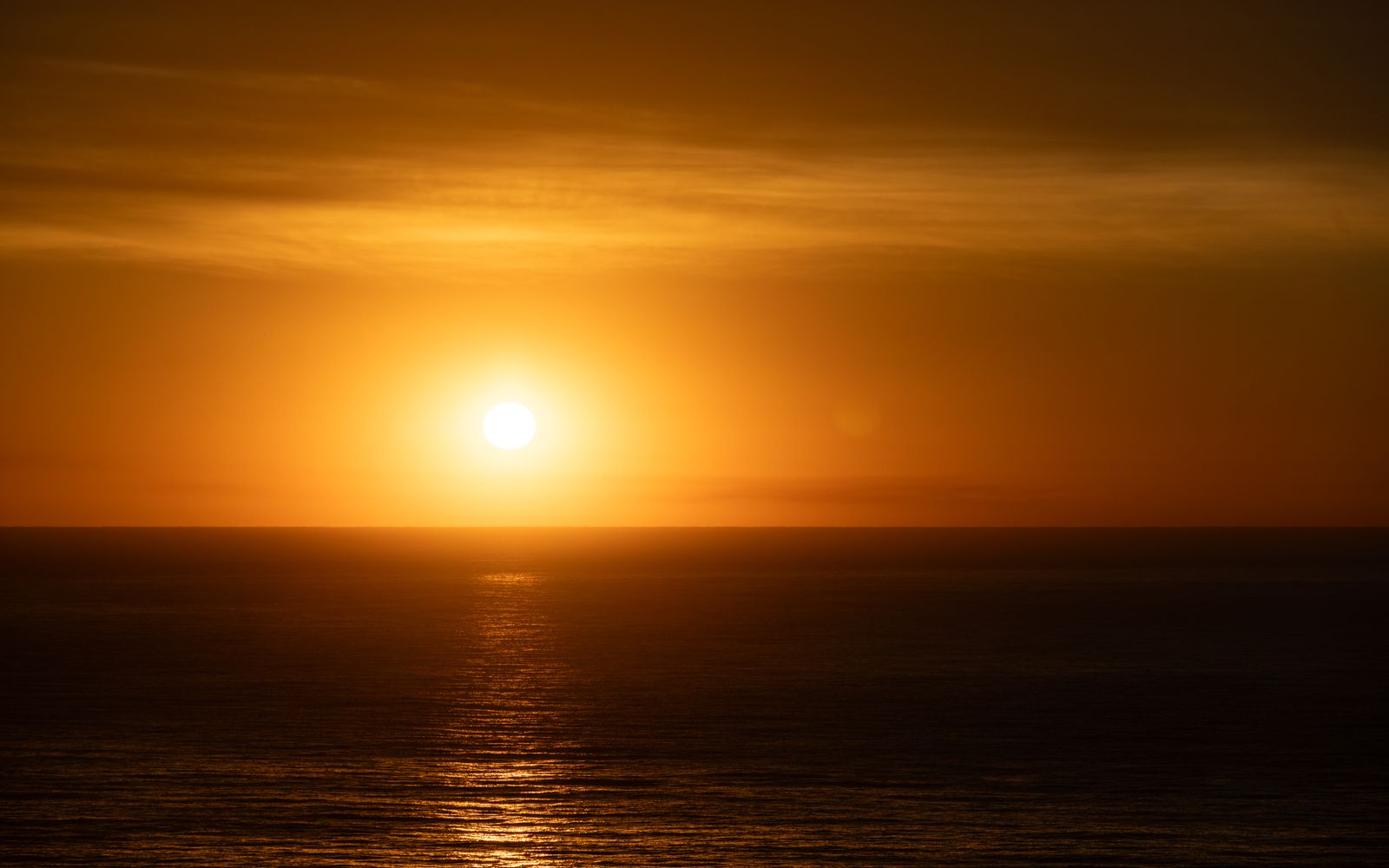
Cabo San Lucas sits at the very tip of the Baja Peninsula, where the Sea of Cortez meets the Pacific Ocean. That geography matters when you’re chasing a sunset: the Pacific-facing beaches here get full, unobstructed western exposure. You’re watching the sun drop into the open ocean, not behind a hill or a resort tower. That’s a genuinely different experience from the Caribbean side of Mexico, and it’s one of the reasons sunset becomes a near-daily ritual for visitors.
This guide covers the best spots to watch the sunset in Cabo, ranked roughly by how much effort they require. Whether you want to plant yourself on sand with a drink or get on a boat for a front-row view of El Arco going golden, you’ve got good options.
Solmar Beach: The Easiest Pacific Sunset in Town
Solmar Beach runs along the Pacific side of downtown Cabo San Lucas, directly behind the cluster of large resorts near the marina. It’s a short walk or taxi ride from most hotels. The beach itself is not safe for swimming (strong shore break and rip currents year-round), but for watching the sunset it’s one of the best stretches of sand in town.
You get a full western view with nothing in the way. The horizon is clean. Bring a drink from your resort or grab one from the Solmar hotel’s beach bar, and stake out a spot an hour before sunset. In the November through April dry season, you’ll often see a sharp orange-to-purple gradient as the sun drops. From late July through October, when moisture builds in the atmosphere, the cloud formations catch fire in ways that feel theatrical.
One practical note: Solmar is exposed and can get a cold wind off the Pacific in winter months (December through February), especially after dark. Bring a layer if you’re staying past golden hour.
Las Viudas (Widows Beach): More Space, Less Crowd
Las Viudas sits about ten minutes west of downtown Cabo San Lucas along the Pacific side of the Corridor. It’s sometimes called Widows Beach on maps. Like Solmar, it faces due west, but it’s less of a “resort beach” and more of a working beach break popular with surfers.
Because it’s a short drive rather than a walk from the marina, it draws fewer tourists at sunset. You’ll share the sand with surfers waiting for one last set and a handful of locals who know the light here. There are no permanent beach bar setups, so bring your own drinks. The reward is a wider, quieter beach with a longer stretch of sand and a view that runs all the way to the horizon without resort towers in the frame.
Getting there requires a rental car or a quick taxi ride. If you’re heading out toward the Corridor for dinner anyway, this is an easy detour before your reservation.
El Arco and Land’s End by Boat: The Iconic Shot
El Arco, the granite arch at Land’s End, faces west into the Pacific. At sunset, the arch frames the descending sun in a way that’s become one of the most photographed images in all of Mexico. You cannot reach Land’s End on foot; you have to go by water taxi or boat from Médano Beach or the marina.
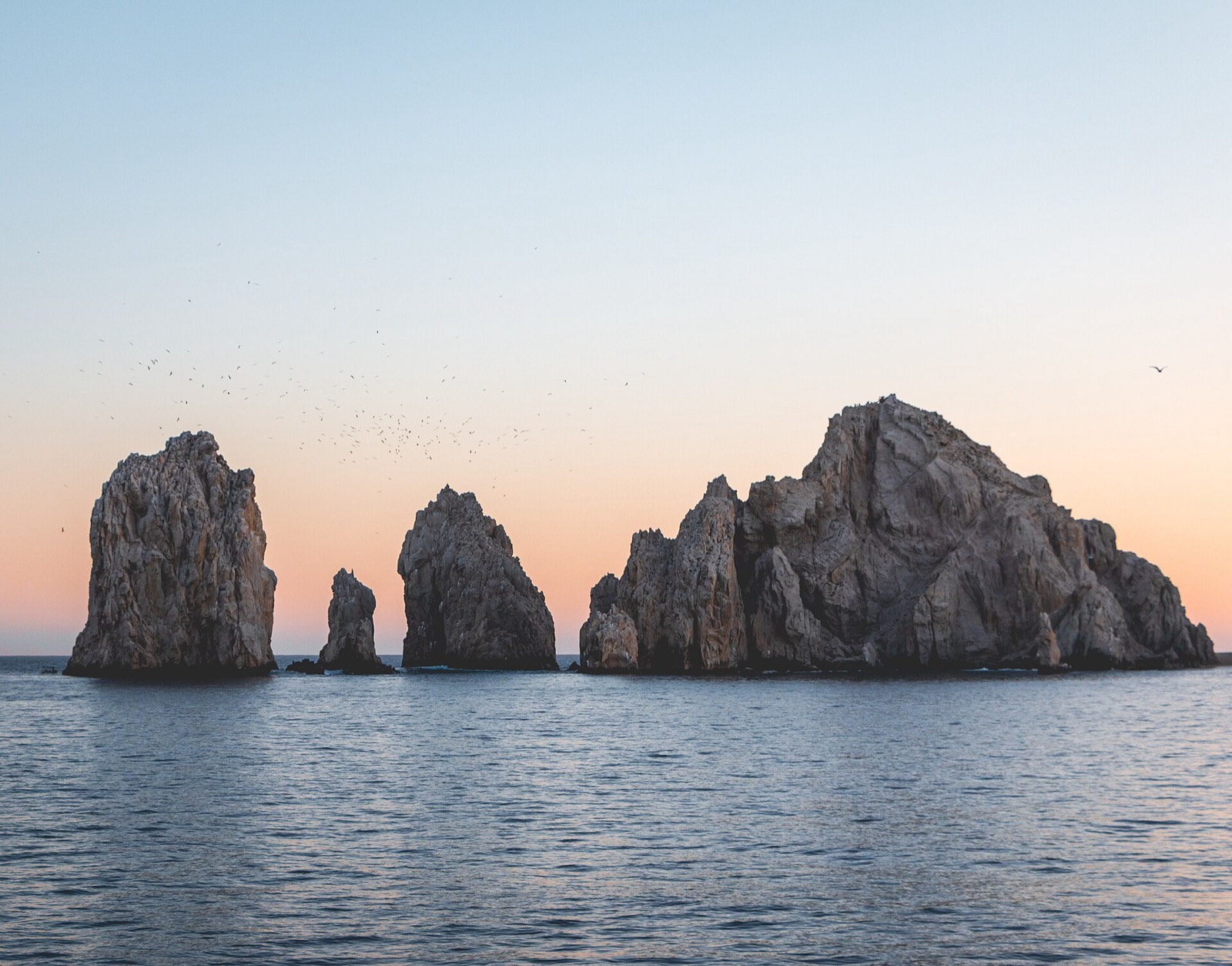
Water taxis run from Médano Beach to Lover’s Beach and Land’s End throughout the day. Fares typically run $15–$20 USD per person round-trip as of recent seasons, though prices can vary by operator. For the best sunset angle, you want to be in the water off the Pacific face of the arch, not tucked into the cove on the Sea of Cortez side.
A few things to know: the water taxis mostly stop running by late afternoon. If you want to be at El Arco specifically for the sunset light, book a dedicated sunset boat tour rather than a standard water taxi. Several operators offer 1–2 hour sunset tours from the marina that position you with a view of the arch as the sun drops. These run roughly $45–$75 USD per person.
If you’re already planning to be on the water in the evening, a sunset dinner cruise is worth serious consideration. You cover the Land’s End angle and get a meal and open bar in a single outing.
Sunset Dinner Cruises: The Full Experience
Sunset and dinner cruises out of the Marina Cabo San Lucas are a mainstay for good reason. You board at the marina, motor past the sea lion colony on the rocks near the channel entrance, round Land’s End with El Arco lit up in golden hour light, then cruise along the Pacific while the sun sets behind the horizon. Most boats turn around for the return trip as full dark settles.
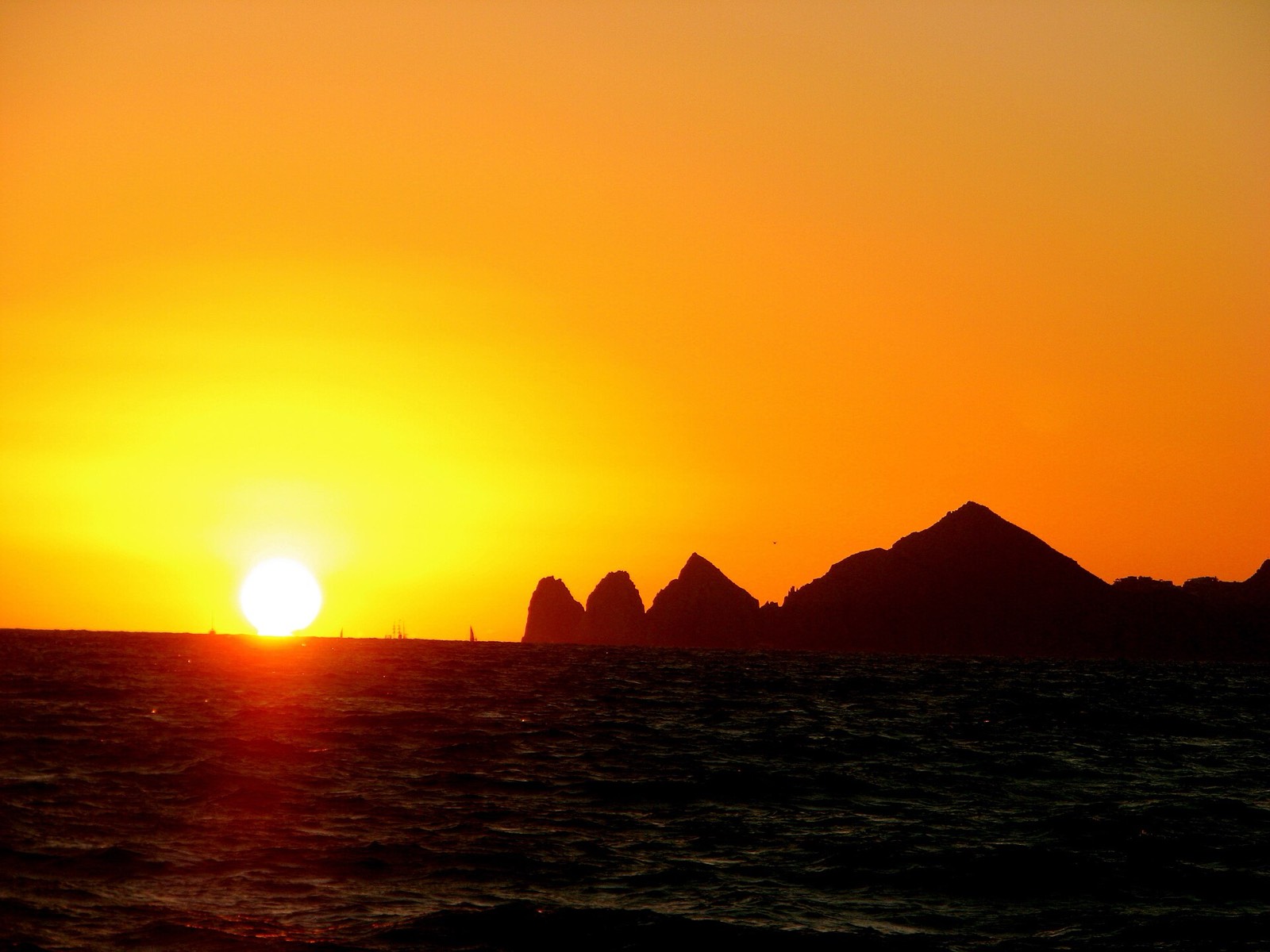
Cruise options range from mid-size catamarans with open bars and buffet-style food to more intimate private charters. Shared cruises typically run $75–$120 USD per person and run two to three hours. Private charters start higher, usually $400–$600 USD for a small group, and let you control the pace, music, and route.
The open-ocean section of these tours can have chop, particularly in late summer and fall. If anyone in your group is sensitive to motion sickness, take a Dramamine or bring Sea-Bands. The catamarans tend to be more stable than single-hull boats.
Advance booking is important November through March, when Cabo sees peak arrivals and the popular cruise operators fill up. Booking two to three days ahead is usually enough outside of holiday weeks, but New Year’s week and the week between Christmas and New Year’s require more lead time.
Rooftop and Beachfront Bars: Drink in Hand, Sun Going Down
If a boat isn’t your style, several bars and restaurants in Cabo San Lucas position you with a decent sunset view from dry land.
The marina area has rooftop options that face west, though the view is partially obstructed by buildings depending on which floor you’re on. The better bet for Pacific views from a bar is the stretch along the boulevard near Solmar, where a few hotel rooftops and swim-up bars face the open ocean.
Médano Beach, the main swimming beach in Cabo, faces the Sea of Cortez and watches the sun set over the land rather than the water, which is a common source of disappointment for first-timers who expect a waterfront sunset from the busiest beach in town. If you want a sun-into-the-ocean view, you need to be on the Pacific side.
The Pacific-facing stretch near the Solmar and Lands End area, and the Corridor heading northwest toward San José del Cabo, both offer beachfront restaurants where you can watch the light change over the water. Drive time from Cabo San Lucas to the Corridor is 15–30 minutes depending on how far up you go; towns like Palmilla have resort restaurants with Pacific views that are worth the drive.
The Pacific Side of Land’s End: Timing and Positioning
The Pacific face of Land’s End and the sea cliffs around it catch the last direct light of the day before anywhere else in the area goes to shadow. If you’re on a sunset cruise or a water taxi that’s positioned you on the open-ocean side of the arch around 20 minutes before actual sunset, the granite turns from gray to orange to a deep copper. The color shift lasts maybe ten minutes at peak intensity.
Sunset times vary significantly through the year. In June, the sun sets around 7:30–8:00 p.m. In December, it’s closer to 5:45–6:00 p.m. If you’re building a dinner reservation or activity plan around the sunset, check the actual time for your travel dates rather than assuming a fixed hour. This is especially relevant if you’re visiting in winter and want to catch the light before heading to dinner.
Todos Santos: Sunset on a Different Coast
If you’re doing a day trip to Todos Santos, about 75 minutes north of Cabo on the Pacific Highway, you’ll have Pacific sunset access there too. The beaches around Todos Santos face west and are less trafficked than anything in Cabo proper. The town itself has a handful of restaurants with ocean view terraces.
Check out the full Todos Santos day trip from Cabo guide if you want to time a day-trip to end with the sunset before driving back. It’s one of the better ways to see a quieter stretch of the Pacific and the artisan character of a Pueblo Mágico town in a single outing.
When to Visit for the Best Sunsets
The clearest, most consistent sunsets happen in the November through April dry season. With low humidity and minimal cloud cover, you get sharp color gradients and clean horizon drops. The trade-off is that the skies can be almost too clear, and without atmospheric texture the show can be brief.
The summer and fall months (July through October) bring more dramatic cloud formations because of increased humidity. These are also the hottest months and the heart of the Pacific hurricane season. If clouds are moving in from a tropical system offshore, the sunset can be spectacular. It can also be washed out by overcast. It’s less predictable but potentially more dramatic.
For more on how the seasons affect activities and conditions overall, the best time to visit guide covers the full breakdown.
Practical Notes for Sunset-Watchers
Sunset in Cabo draws crowds at the popular spots from October through April. If you’re heading to Solmar Beach or booking a cruise, plan to arrive or board 30–45 minutes before the sun touches the horizon. The golden hour starts well before the final drop, and the light at 30 minutes out is often better than the moment of sunset itself.
For photography, the best position on a sunset cruise is the bow or forward rail on the starboard (right) side as the boat heads west. You’ll want the arch in frame and the sun to your left. On land, face due west and position yourself so you have open water rather than buildings or rocks breaking the horizon.
If you’re drawn to being on the water at all, start with the Los Cabos Travel Guide for an overview of how to structure your activities, or narrow your options with the sunset dinner cruise page to compare what’s running during your dates.
The sunset itself costs nothing. The question is just where you want to be when it happens.