The short answer
US dollars are accepted widely throughout Cabo San Lucas, the Tourist Corridor, and San José del Cabo. You can get through an entire trip without touching Mexican pesos if you stay at a major resort and stick to tourist-facing restaurants and shops. That said, paying in pesos consistently gets you better value. Many vendors quote prices in dollars but convert at a rate favorable to them, not you. When a menu lists both currencies, ask for the peso total and pay in pesos.
For tipping, dollars and pesos are both accepted and appreciated. Small bills matter more than currency choice. A server or bellhop can't easily break a $20 to tip themselves, so arrive with a stack of ones and fives on hand from day one.
What to know
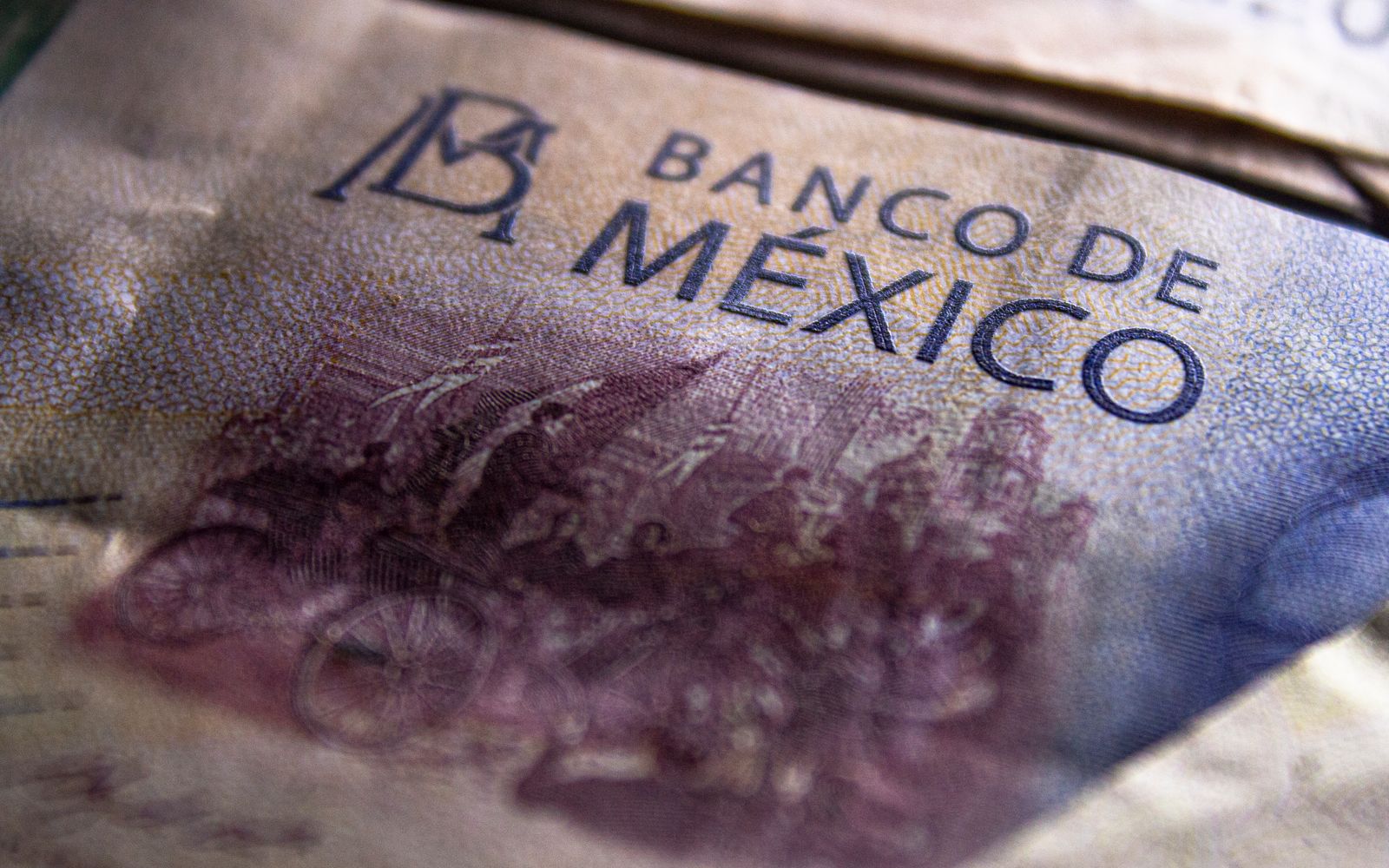
The Mexican peso is the official currency of Mexico, and the exchange rate fluctuates with the market. Do not rely on any single number you read before your trip. Check the rate when you arrive and again during your stay if you're converting a significant amount. The difference between a fair exchange and a bad one can add up to tens of dollars per transaction at tourist-area exchange counters.
Credit and debit cards are accepted without issue at resorts, major restaurants, supermarkets like Chedraui and Walmart Supercenter (both located on the bypass road near Cabo San Lucas), and most tour operators. Visa and Mastercard have the widest acceptance. American Express works at larger properties but is not universal. When you pay by card, you will frequently be asked whether you want to pay in pesos or US dollars. Always choose pesos. The dollar option, called dynamic currency conversion, locks in an exchange rate set by the card terminal, and it is almost always worse than what your bank would charge. Declining it is one of the easiest ways to avoid a hidden fee.
For cash, the safest ATMs in Los Cabos are bank-branch machines: HSBC, Banamex, Banorte, and Santander all have locations in Cabo San Lucas and San José del Cabo. Standalone ATMs in malls, airports, and convenience stores often charge higher fees and sometimes use the same unfavorable dynamic currency conversion. If an ATM prompts you to accept a specific exchange rate before dispensing cash, decline that option and let your home bank handle the conversion. Most US banks charge a foreign transaction fee of 1 to 3 percent, so withdrawing larger amounts less frequently costs less overall than many small withdrawals.
Los Cabos International Airport (SJD) has currency exchange counters in the arrivals hall, but rates there tend to be less favorable than at bank ATMs in town. If you need pesos immediately, withdraw a moderate amount at an airport ATM rather than exchanging at the counter. Once you're in Cabo San Lucas or San José del Cabo, bank ATMs are a short walk or drive from virtually any hotel. If you're staying along the Corridor and don't have a car, ask your resort's concierge about the nearest branch ATM. For context on getting around and where to base yourself, see the where to stay by area guide.
A common traveler mistake is arriving with only large bills and no small currency. Convenience stores, street food stalls, taco stands, and small souvenir shops often cannot make change for 500-peso notes. Withdraw in mixed denominations when possible and break large bills at supermarkets or hotel gift shops.
Practical tips
Tipping in Los Cabos follows Mexican resort customs more than mainland Mexico norms, meaning expectations generally align with what US visitors are used to at home. At restaurants, 15 to 20 percent of the pre-tax total is standard. Many upscale restaurants in the Corridor and at resorts will add a service charge automatically, often labeled "propina" on the bill. Check before adding more. If a service charge is included, an additional tip is optional but appreciated for genuinely exceptional service.
For housekeeping, 50 to 100 pesos (roughly $2.50 to $5 USD at current ranges) per night is a reasonable baseline. Leave it daily rather than at checkout, since the person cleaning your room at the end of your stay may not be the same person who cleaned it throughout. Bellhops expect 25 to 50 pesos per bag, or $1 to $2 USD equivalent. Concierge staff who go out of their way to arrange a tour, dinner reservation, or airport transfer warrant $5 to $20 depending on the complexity of what they handled.
Tour guides working half-day or full-day excursions typically expect 10 to 15 percent of the tour cost, or $10 to $20 per person for smaller groups. For adventure activities like ATV tours or snorkeling trips, $10 to $15 per guide per group is a common baseline. Guides who provide strong local knowledge, handle logistics smoothly, and keep the experience safe earn more.
Sportfishing charter crews work hard for long days on the water, and the tip customs reflect that. On a full-day charter, 15 to 20 percent of the charter cost is the standard range for a good experience, split among the captain and deckhands. On a $600 full-day shared charter, that puts you at $90 to $120 total, split among the crew. Some charters include an automatic crew gratuity in the booking; check your confirmation before the trip. Deck crews who clean, fillet, and pack your fish, handle all bait and tackle, and run a professional operation earn the full range. For a primer on planning your trip timing and budget, the best time to visit guide and the 5 days in Cabo itinerary are useful companions.
Spa staff at resort properties generally expect 15 to 20 percent of the service price. The same applies to salon services. Pool attendants who bring towels, set up chairs, and deliver drinks merit 20 to 50 pesos ($1 to $2.50) per interaction, more if you're occupying a prime spot for hours. Bar staff at swim-up bars or outdoor bars expect $1 to $2 per drink if they're running tabs and delivering service, less if you're stepping up to the counter.
A few things to pack that make tipping easier: a coin purse or small clip for small bills, and a habit of refilling it at every ATM stop. US ones and fives work well for small tips when you're running low on small peso notes. Some travelers keep two wallets: one for pesos and one for dollars, which prevents the fumble of pulling out the wrong currency under pressure. If you're still deciding what to bring, check the what to pack guide for the full list.
Frequently asked questions
Should I exchange money before I leave for Los Cabos?
It's not necessary. ATMs at bank branches in Cabo San Lucas and San José del Cabo are reliable and widespread. Exchanging dollars at a US airport or bank before you fly rarely gets you a good rate. A moderate amount of pesos from a bank ATM after landing will serve you better than anything exchanged stateside.
Is it better to tip in pesos or US dollars?
Either is accepted and appreciated throughout Los Cabos. Small-denomination US bills (ones and fives) work well for quick tips. For restaurant tips and larger amounts, pesos are practical because the recipient doesn't have to convert the currency. The most important factor is having small bills of either currency on hand rather than which currency you choose.
What does dynamic currency conversion mean and should I avoid it?
Dynamic currency conversion is when a card terminal or ATM offers to convert your transaction into US dollars at a rate it sets. The rate is almost always worse than what your home bank would charge. Always pay in the local currency (pesos) when given the option. If an ATM or terminal asks whether to charge in dollars or pesos, choose pesos.
Is tipping expected at all-inclusive resorts in Los Cabos?
Yes. All-inclusive pricing covers food and drinks but tipping the staff who serve you is standard practice and widely expected. Many travelers bring an envelope of small bills at the start of their stay. Typical amounts: $1 to $2 per drink at the bar or pool bar, $2 to $5 per meal for the server, $50 to $100 pesos per night for housekeeping. The staff at all-inclusives rely on gratuities as part of their income.
Are credit cards widely accepted in Los Cabos?
Yes, at resorts, restaurants, tour operators, and most shops. Visa and Mastercard have the widest acceptance. Street food vendors, small market stalls, and some traditional restaurants operate cash-only. Always carry some pesos for smaller purchases, taxis, and anything off the main tourist strip.