Overview
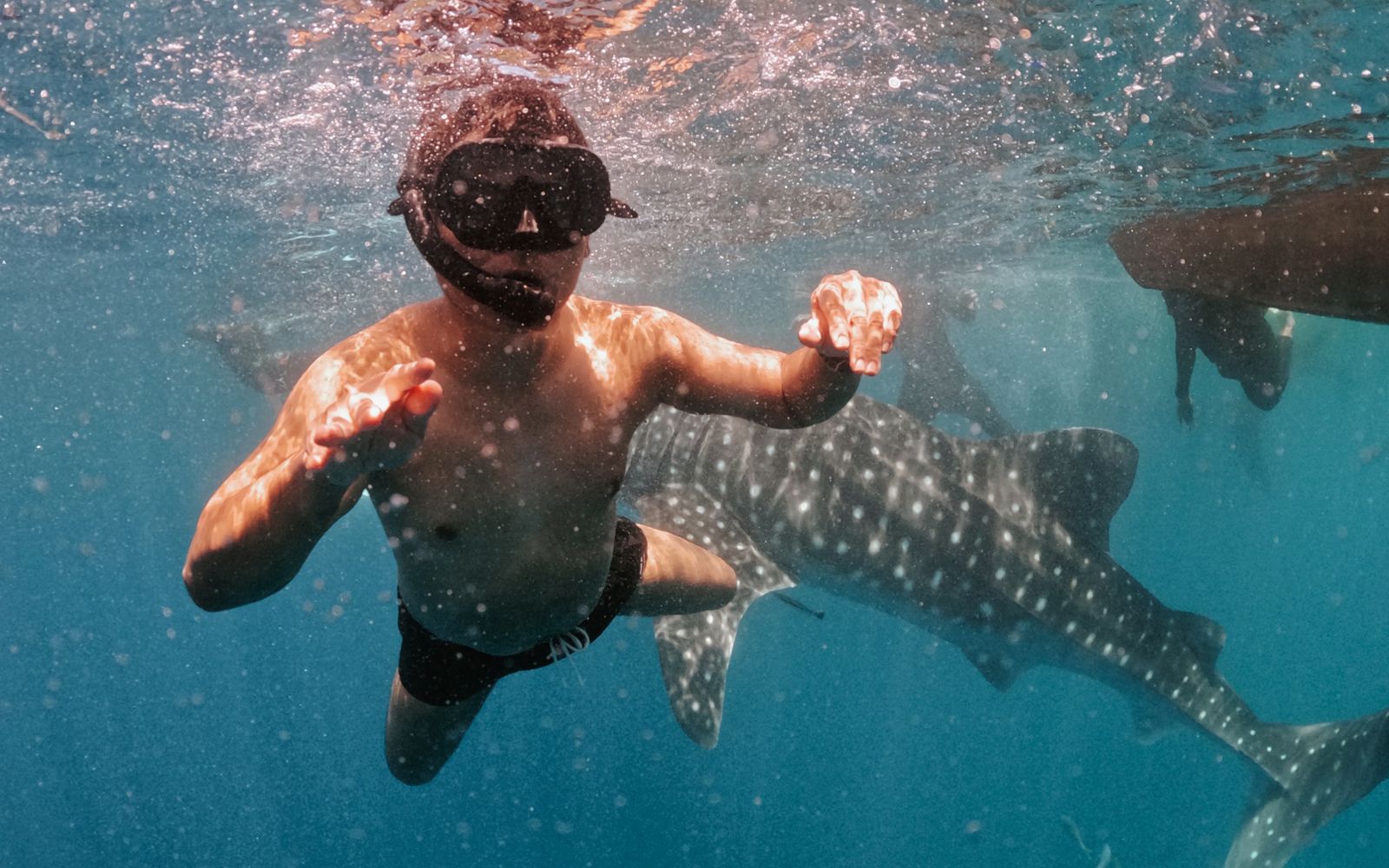
Whale shark encounters in La Paz bay are seasonal, typically running from late October through early April, with the peak months being December through March. During these months, whale sharks gather in the shallower warm waters of the bay to feed on fish eggs and plankton. Individual sightings are common, and multiple animals at once is not unusual during peak weeks. The sharks range from roughly 15 to 30 feet in length and are filter feeders, meaning they pose no threat to swimmers. Their size is the part that takes adjustment.
Los Islotes, a small rocky island about 45 minutes from La Paz by panga, holds a colony of several hundred California sea lions. Unlike the whale shark swim, the sea lion colony is a year-round attraction. Pups are born between May and July, and the juveniles are particularly curious around snorkelers in those months. Adult sea lions are equally bold, often approaching within a few feet to investigate. The colony does not move; if you are in the water at Los Islotes, sea lions will find you.
Both experiences are run as organized tours departing from the La Paz waterfront (the malecón) or from a marina. You can combine whale shark and sea lion swims into a single full-day trip from La Paz from October through March, or visit Los Islotes independently any time of year. Either way, the standard day trip from Los Cabos is long: count on a full day, roughly 8 to 10 hours including the drive each way. If you are spending only 3 days in Cabo, consider whether a dedicated La Paz day is the right trade-off, or whether allocating more time makes sense. Couples who enjoy wildlife-focused experiences consistently rate the La Paz whale shark swim among the top activities in all of Baja; it pairs naturally with other best things to do for couples in the region.
What to expect
Whale shark tours run on pangas (open-top fiberglass boats) holding 6 to 10 participants plus a guide and a boat captain. Your guide locates the sharks visually, often with help from other operators who share sighting information on the water. Once a shark is spotted, swimmers enter the water in small groups. Mexican regulations cap the number of swimmers permitted in the water near a single whale shark at 10 at any given time. No touching the animals is permitted under any circumstances. Guides enforce this strictly, and operators are subject to permit revocation if rules are violated.
The swim itself is snorkeling, not scuba. You stay on the surface wearing a mask and snorkel and fin alongside the shark as it moves. Whale sharks cruise slowly near the surface when feeding, usually at a pace that a fit swimmer can match with moderate effort. The water visibility in La Paz bay is typically good in winter, often 20 to 40 feet or better. Water temperatures in peak whale shark season (December through March) run in the low to mid 70s Fahrenheit. A 3mm wetsuit is included with most tour packages and is worth wearing.
At Los Islotes, the format shifts. You anchor near the rocks and enter the water in a sheltered area where the sea lions congregate. Adults and juveniles approach on their own schedule. There is no herding or feeding involved. The experience lasts 30 to 45 minutes in the water, and it is common to have sea lions swimming within inches of your face mask. The rocks themselves hold bird colonies including blue-footed boobies, so the boat ride to the island adds a birding dimension even before you enter the water.
Both swims require that you are a confident, capable snorkeler. You do not need to be an experienced diver, but you need to be comfortable in open water, able to tread water independently, and able to don and remove snorkel gear without assistance. Children under 8 are generally not permitted on whale shark tours; confirm the specific minimum age requirement when booking. Life jackets are available on the boat for those who want them during transit.
Best season
For whale sharks, the core season runs from October through April, with the strongest concentration typically in December, January, and February. Some operators report continued sightings into early April in good years. Whale sharks are wild animals and are not guaranteed on any given day. Reputable operators are transparent about current conditions, and most have a rebooking policy for days when no sharks are sighted, though full refunds are less common due to permit and fuel costs.
The sea lion colony at Los Islotes is present every month of the year, which makes it a more reliable year-round target. If you are visiting Los Cabos in summer or early fall and want a wildlife swim, Los Islotes is your best option since whale sharks will not be present. Pup season from May through July brings the most energetic sea lion interactions; adults with new pups can be territorial around the colony entrance, but guides position groups well away from the haul-out rocks to avoid conflict.
Combining both in a single day works cleanly from October through March. From April through September, whale shark season has closed, so a La Paz day trip focuses on Los Islotes, Balandra Beach, and the malecón rather than whale sharks. For those interested in the broader suite of Los Cabos marine wildlife, Whale Watching in Los Cabos bay itself runs mid-December through mid-April and covers humpback and gray whale sightings closer to home base.
Typical prices
Whale shark tour pricing from La Paz generally runs in the range of $80 to $150 USD per person for a half-day panga tour focused on the whale sharks alone. Full-day combo tours that add Los Islotes snorkeling, Balandra Beach, and lunch typically run $130 to $200 or more per person depending on group size, boat quality, and what is included. These are estimate ranges; rates vary by operator, season, and whether you book directly in La Paz versus through a Los Cabos-based travel desk.
If you are starting from Los Cabos rather than staying overnight in La Paz, you will either drive yourself (roughly 2 hours each way on Highway 1 toward La Paz) or book a package that includes round-trip ground transport. Transport-inclusive day trip packages from Cabo San Lucas or San José del Cabo can run $180 to $280 per person all-in, covering transport, guide, gear, and the on-water experience. The higher end of that range typically reflects smaller group sizes and higher-end operators.
Sea lion-only tours from La Paz, without whale sharks, are less expensive, running roughly $60 to $100 per person for a half-day panga tour. If your goal is specifically the sea lions and you are not chasing whale sharks, you could also consider staying in La Paz overnight and booking locally, which tends to be cheaper than purchasing a day trip through a Cabo-area operator. Browse the Tour Operators directory for operators who run La Paz day trips from Los Cabos.
How to book
The simplest path from Los Cabos is booking through a tour operator that handles transport from Cabo San Lucas or San José del Cabo and handles the La Paz logistics for you. These packages are typically sold as full-day excursions departing by 7 or 7:30 a.m. to maximize time on the water. Your hotel concierge can often connect you with vetted operators, or you can browse independently through the Tour Operators directory for current listings.
If you prefer to drive to La Paz independently, book your whale shark or sea lion tour directly with a La Paz-based operator before your visit. Most operators run tours from Playa Balandra or a marina on the southern end of La Paz bay, and walk-in availability is inconsistent in peak season. Whale shark permits are regulated by SEMARNAT (Mexico's environmental ministry), and operators must hold valid permits. Booking in advance also confirms the permit holder you are working with, which matters for conservation accountability.
Whale shark tours fill quickly in January and February. If your trip falls during peak months and this experience is a priority, book at least 2 to 4 weeks out. Deposit policies vary; most operators hold spots with a 50% deposit. Cancellation due to weather (strong winds can make the bay too rough for pangas) typically results in a rebook rather than a refund, so it is worth asking about weather cancellation terms before paying. For a broader look at adventure activities in the region, Sportfishing is another signature Baja experience that requires similarly early booking during peak season.
Frequently asked questions
Is it safe to swim with whale sharks?
Yes. Whale sharks are filter feeders with no interest in humans as food. They are the largest fish in the ocean but pose no threat to swimmers. The primary risks are accidental contact with their fins or tail during close approaches, which guides work to prevent. Follow your guide's instructions, maintain the required distance from the animal's head and mouth, and do not grab or touch the shark under any circumstances. Mexican regulations exist specifically to protect both the animals and the swimmers.
Do I need to know how to scuba dive?
No. Both the whale shark swim and the Los Islotes sea lion experience are snorkeling, not scuba. You stay on the surface. You need to be comfortable in open ocean water and able to use a mask and snorkel, but no dive certification is required. If you are not a strong swimmer, let your operator know in advance so they can position you appropriately and have flotation available.
Can children participate?
Many operators set a minimum age of 8 to 10 years for whale shark tours. The physical requirements (open water snorkeling, boarding a moving panga) and the size of the animals mean young children are not well suited for the whale shark swim. The sea lion snorkel at Los Islotes is somewhat more accessible for older children who are confident snorkelers. Confirm minimum age requirements with your specific operator before booking.
How far is La Paz from Cabo San Lucas?
La Paz is roughly 2 to 2.5 hours north of Cabo San Lucas by car on Highway 1 (about 120 miles). Day trip operators from Los Cabos typically depart very early, around 7 a.m., to arrive in La Paz with enough time for both the drive and the on-water portion of the day. The road is paved and in good condition. A full La Paz day trip from Cabo runs 10 to 12 hours including transport, so plan accordingly.
Are whale shark sightings guaranteed?
No, and any operator who guarantees a sighting is overselling. Whale sharks are wild animals in open water. Sightings are extremely common during peak months (December through February) in La Paz bay, and the local operator community shares real-time location information on the water to maximize the odds. Most reputable operators offer a rebooking option if no animals are spotted, though cash refunds are less standard. In-season sighting rates are high; 'guaranteed' is just not an accurate word for wildlife.