Overview
Four destinations anchor the day-trip scene from Los Cabos: Todos Santos to the northwest, La Paz further north on the Gulf side, the East Cape and Cabo Pulmo to the northeast, and Balandra Beach just outside La Paz. Each is a meaningfully different landscape and experience from the Corridor and the marina. Todos Santos is the closest at roughly 45 to 60 minutes from Cabo San Lucas on Highway 19; La Paz and Balandra are two to two and a half hours north via Highway 1 and Highway 19; Cabo Pulmo runs about 75 to 90 minutes northeast of San José del Cabo on partially paved road.
You can reach all four destinations independently by rental car or by joining an organized tour out of the marina or your resort. Rental cars give you flexibility on timing and the ability to combine stops. Guided tours typically include transport, a guide, gear (for snorkel and wildlife trips), and sometimes lunch, which simplifies logistics considerably if you don't want to navigate the roads on your own. Browse Tour Operators for operators running day-trip routes from Los Cabos.
Day trips work best when built into your itinerary early. The most popular routes, particularly whale shark swims near La Paz and Cabo Pulmo snorkeling, have capacity limits and seasonal availability. Book those before you arrive rather than deciding the night before. If you're planning a short stay, the 3-day Cabo itinerary maps out how to layer one day trip into a long weekend without feeling rushed.
What to expect
Todos Santos is about 45 to 60 minutes northwest of Cabo San Lucas on Highway 19, a fast, well-maintained two-lane road through the Sierra de la Laguna foothills. The town holds Pueblo Mágico designation, a federal recognition for cultural and historical significance, and it earns it: colonial-era buildings house galleries, cafes, and boutique shops. The main plaza is genuine, not a tourist replica. Surf at Cerritos Beach (about 12 miles south of town) breaks cleanly for beginners and intermediates, and the beach there has a functioning beach club if you want to post up for the afternoon. Todos Santos pairs well with a meal; the restaurant scene is small but serious. Allow four to six hours to do it without rushing.
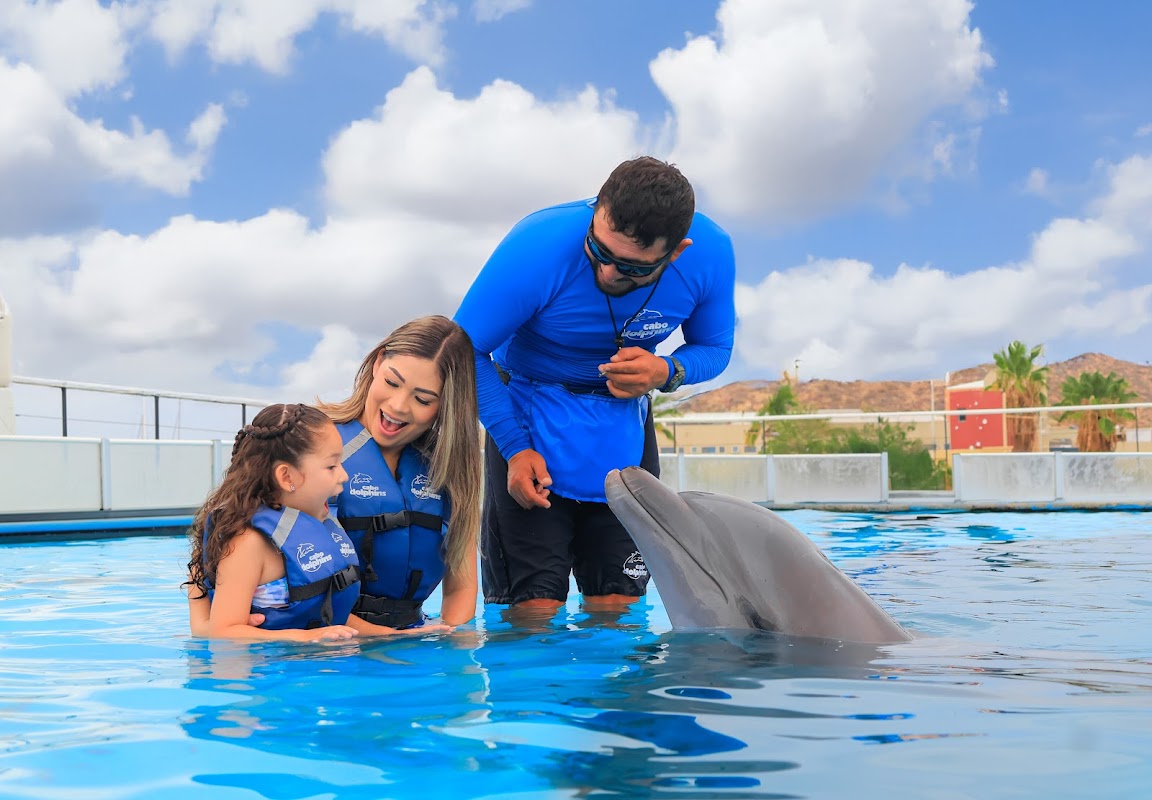
La Paz is the state capital of Baja California Sur and the launch point for two of the most distinctive activities in the region. From the La Paz waterfront (malecón), boats head out to swim with whale sharks in the waters of the Bay of La Paz between roughly October and April, when aggregations of juvenile whale sharks congregate in the warm gulf water to feed. This is a snorkel-only experience (no scuba near whale sharks is permitted in Mexican waters), and participants float alongside animals that commonly run 20 to 30 feet in length. The experience is supervised and seasonal. From La Paz, boats also run to sea lion colonies at Los Islotes, off Isla Partida, for open-water swims with California sea lions, which can happen year-round. For more on both activities, see Whale Shark and Sea Lion Swims (La Paz).
Balandra Beach is 14 miles north of La Paz and widely considered one of the finest beaches in Baja. It's a shallow, protected lagoon with turquoise water that barely reaches chest depth for a hundred yards out, backed by red rock formations and desert hills. The Mexican government capped daily visitors at 450 to protect the ecosystem, which means reservations are required and sell out days in advance during peak season. If you're planning a La Paz day, add Balandra as part of the trip; the drive from the city center is 25 minutes.
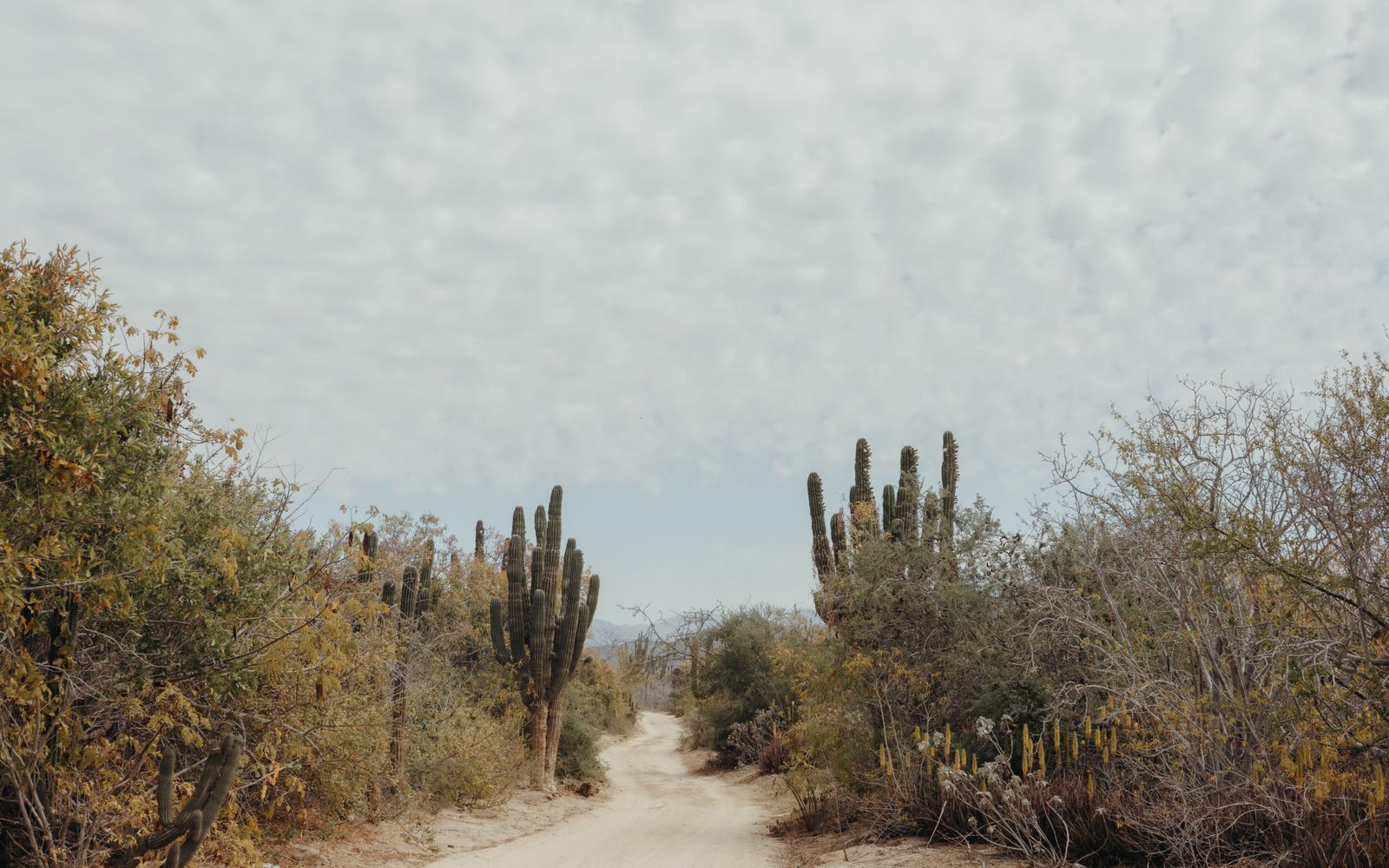
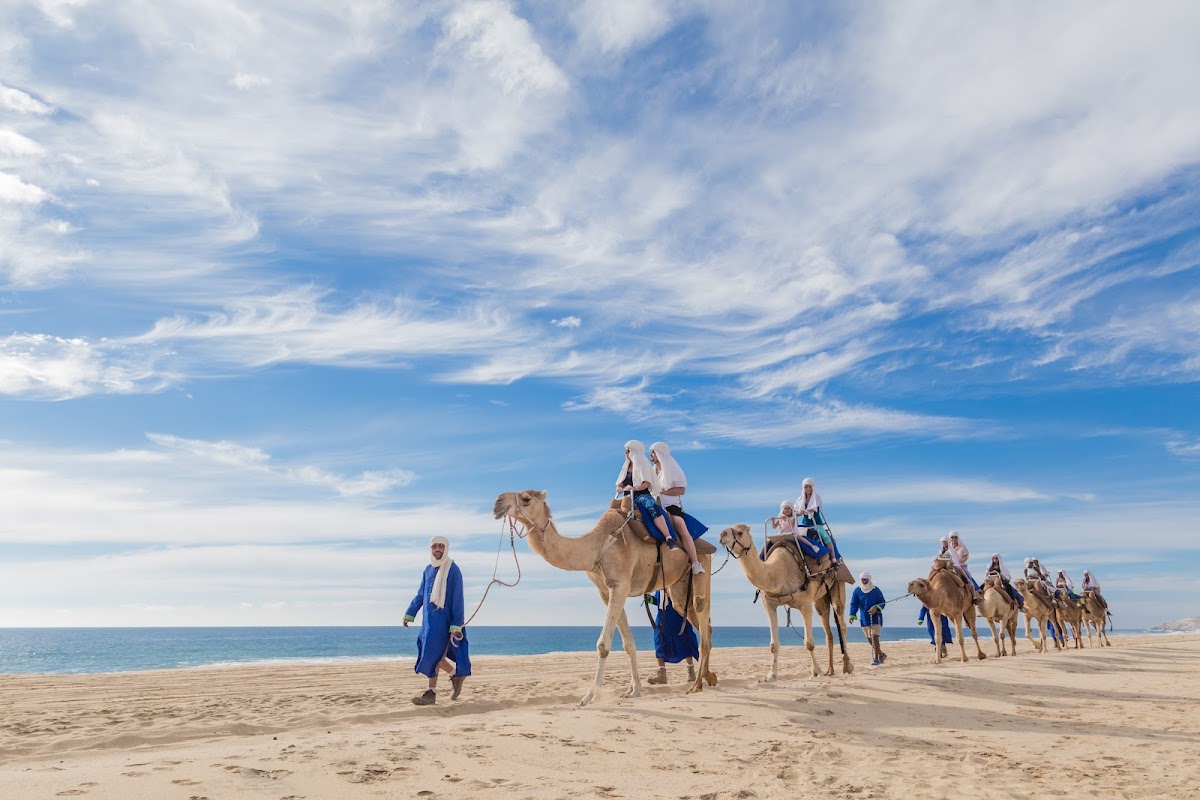
The East Cape route heads northeast out of San José del Cabo toward Cabo Pulmo National Marine Park, about 75 to 90 minutes on Highway 1 and then a stretch of graded dirt road. Cabo Pulmo protects the oldest coral reef system in the Sea of Cortez, and the marine recovery since it was gazetted in 1995 has been dramatic. Bull sharks, manta rays, massive schools of jack and barracuda, and dozens of reef fish species are typical sightings. Day-tripping here means snorkeling directly off the beach or joining a short boat dive to deeper sites. The road to Cabo Pulmo is passable in a standard rental car in dry season but becomes unpredictable after heavy rains. Plan for a full day. Combined with broader Camel and Desert Tours operators who sometimes route through the sierra, the East Cape makes a worthwhile full-day adventure loop. If you're traveling with a partner and want to know which activities pair well with day trips, the best things to do for couples guide breaks that down by interest.
Best season
The timing of each destination varies by what you want to do. Todos Santos is accessible and enjoyable year-round, though summer (July through September) is very hot and some businesses reduce hours. The shoulder months of October, November, April, and May offer pleasant driving temperatures and a quieter town.
La Paz whale shark swims run roughly mid-October through mid-April, with peak concentration typically December through March. Sea lion swims at Los Islotes operate year-round. Balandra Beach is open year-round but is warmest for swimming September through November (water in the low 80s Fahrenheit) and most crowded December through March. The daily visitor cap makes January and February reservations competitive.
Cabo Pulmo snorkeling and diving is best November through May when water visibility is highest and conditions calmest. Summer brings warmer water and occasional offshore swells that can reduce boat access to outer dive sites.
Typical prices
Day-trip costs vary significantly depending on whether you go independently by rental car or join an organized tour. These are estimate ranges based on typical market pricing; confirm current rates directly with operators.
Todos Santos independent (rental car, fuel, meals): $80 to $130 per person depending on dining choices and whether you do a surf lesson at Cerritos ($50 to $80 for a beginner group lesson). Guided Todos Santos tours out of Cabo: approximately $60 to $100 per person, often including transport and a stop at Cerritos.
La Paz whale shark tours typically run $130 to $180 per person including boat transport from La Paz, gear, and a guide. Some operators run these tours from Los Cabos, bundling the highway drive, which adds cost and travel time but eliminates the logistics of getting yourself to La Paz first. Guided La Paz day tours that combine the malecón, whale sharks, and Balandra typically run $150 to $250 per person all-in from Los Cabos.
Balandra Beach access itself is low cost (a small entry fee is charged at the reserve), but if you're coming from Los Cabos independently, factor in the two-hour highway drive each way plus rental car, fuel, and meals.
Cabo Pulmo snorkel tours typically run $80 to $140 per person when joining from Los Cabos, including transport and gear. Dive tours with a tank and guide run higher, around $120 to $180 per person depending on group size and operator.
How to book
For independent trips, a rental car unlocks everything except whale shark swims (which require a licensed operator and boat regardless). Book the car in advance through your preferred agency at SJD airport and confirm the insurance covers off-highway roads if you're planning the East Cape route to Cabo Pulmo.
For guided tours, your resort concierge is the most convenient starting point, though you'll typically pay a markup over booking directly with an operator. For best pricing and the widest range of options, browse the Tour Operators directory and contact operators directly. Most La Paz whale shark and sea lion tours should be booked at least one to two weeks in advance during peak season. Balandra Beach requires an online reservation through the official reserve system; spots at the 450-person daily cap fill during peak weeks.
A few general booking notes: morning departures are almost always preferable on all four routes. Afternoon winds on the Sea of Cortez can make boat tours rougher by midday, and Todos Santos gets hotter and more crowded after noon. If you're stacking a day trip with another activity, put the day trip first and leave the marina or resort-based activity for late afternoon.
Frequently asked questions
Is a rental car necessary for day trips from Los Cabos?
Not strictly, but it gives you significantly more flexibility. Guided tours cover all four main routes and handle transport. If you want to combine multiple stops, control your own timing, or explore the East Cape at your own pace, a rental car is worth it. The Todos Santos and La Paz highways are well-maintained; the final stretch to Cabo Pulmo is graded dirt and passable in a standard vehicle in dry season.
Can I do Todos Santos and La Paz on the same day?
Technically, but it makes for a very long day. Todos Santos is about an hour northwest of Cabo San Lucas; La Paz is two to two and a half hours north. Combining them means four-plus hours of driving on top of time at each destination. Most travelers pick one per day trip. La Paz pairs naturally with Balandra since both are in the same area.
Do I need to speak Spanish for independent day trips?
It helps but isn't required. Todos Santos, La Paz, and the main Cabo Pulmo area have enough English-speaking staff at restaurants, tour desks, and accommodations that you can navigate without Spanish. On more remote East Cape roads and smaller settlements, Spanish goes a long way. Download an offline translation app before you leave as a backup.
Is the road to Cabo Pulmo safe to drive?
In dry season (November through May), yes. The paved portion of Highway 1 to the East Cape junction is in good shape. The graded dirt road from the junction to Cabo Pulmo runs about 30 minutes and is manageable in a standard rental car at low speed. After heavy rain, the road can develop washouts. Check conditions before going if rain has fallen within the past few days. A high-clearance vehicle is more comfortable but not required in dry season.
When is whale shark season near La Paz?
Roughly mid-October through mid-April, with the highest concentrations typically running December through March. The whale sharks near La Paz are juvenile animals feeding in the shallow bay, and the aggregation disperses as water temperatures rise heading into summer. This is a seasonal activity: if you're visiting in June through September, whale shark swims won't be available. Sea lion swims at Los Islotes run year-round.