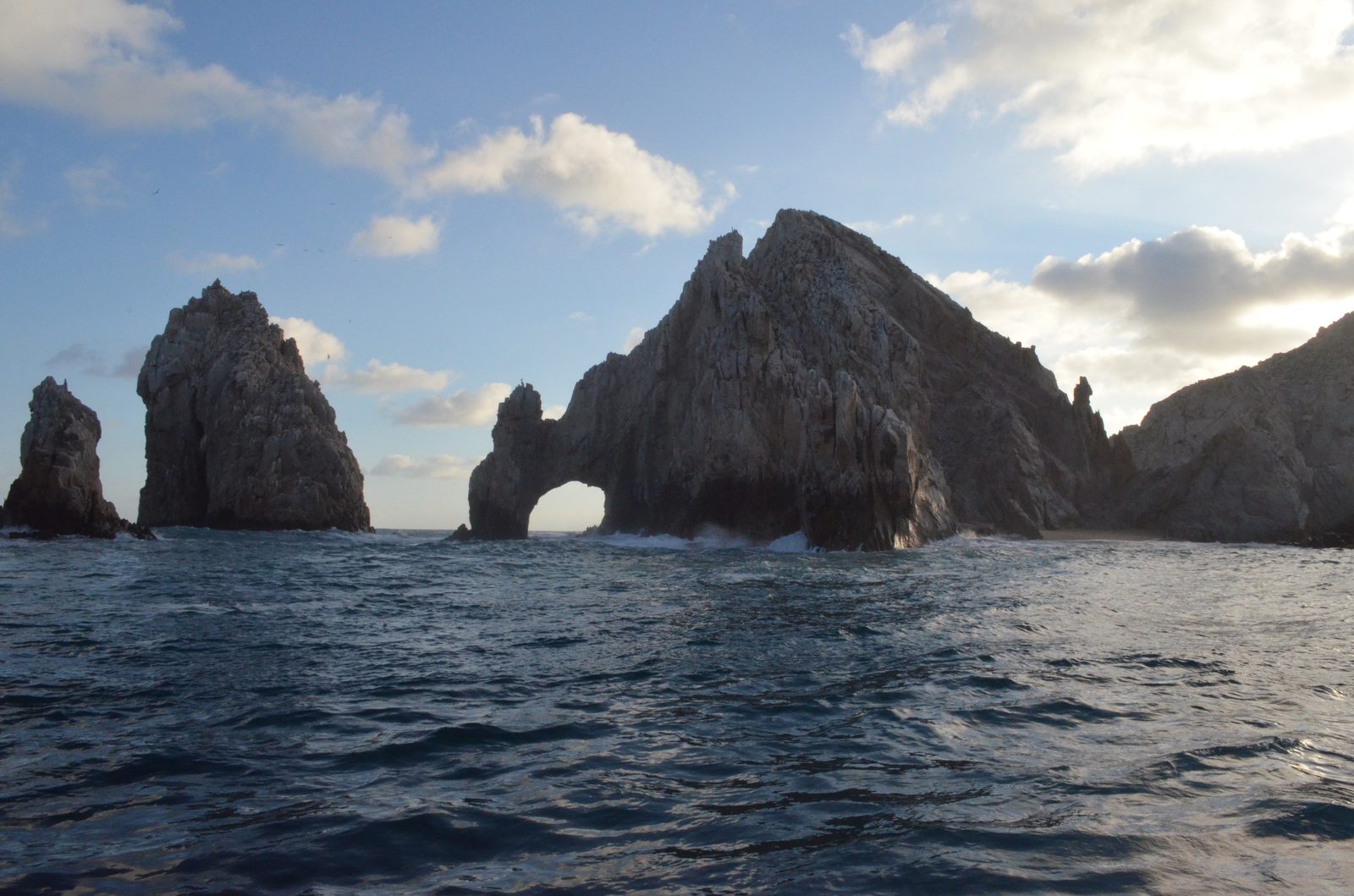
The first time you see El Arco, the granite arch at the tip of the Baja peninsula where the Pacific Ocean meets the Sea of Cortez, it stops you. It doesn’t matter how many photos you’ve seen beforehand. The rock is enormous, the water around it churns even on calm days, and sea lions bark from their perch on the lower rocks while pelicans wheel overhead. That’s the opening act for Los Cabos attractions. The rest spreads across 20 miles of coastline and a desert interior that most visitors never reach: a living coral reef a full day’s drive northeast, a colonial art town on the other end of the Corridor, and a turquoise lagoon two hours north near La Paz. Here’s where to spend your days and why.
El Arco and Land’s End
El Arco de Cabo San Lucas is the defining image of the Baja peninsula. The granite arch stands at the very tip of the land, and the collision of two oceans creates a surf line visible from the glass-bottom boats that run here from the marina all day. Getting there is a 20-minute boat ride from the Cabo San Lucas marina dock, with round trips running around $10–15 USD per person depending on the operator.
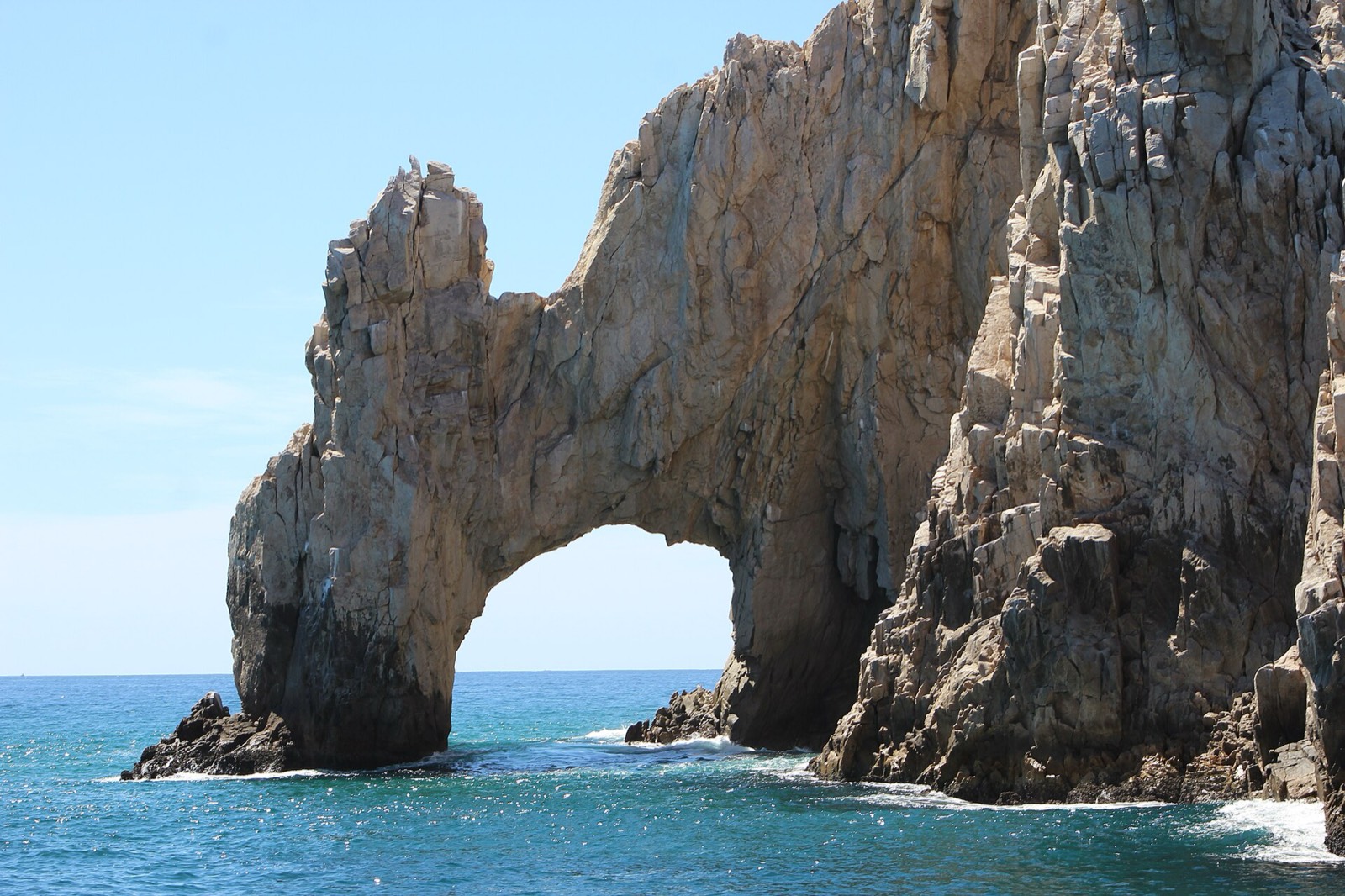
Lover’s Beach, on the Sea of Cortez side of the arch, is calm enough for swimming and wading. Divorce Beach, on the Pacific side of the same narrow spit, is not: the shore break there is strong and the currents shift without much warning. The difference matters because the beaches look adjacent from the boat, and people cross over assuming conditions will match. They do not.
Sea lions haul out on the rocks below the arch year-round. The colony here runs into the hundreds. Water taxi operators offer a longer loop around the rock face before dropping you at Lover’s Beach if you want to see the arch from multiple angles. Late afternoon, when the sun has swung around to the Pacific side, the rock face turns warm amber that reads noticeably better in photos than the flat midday light.
Cabo Pulmo National Marine Park
About 70 miles northeast of Cabo San Lucas via Federal Highway 1 and an unpaved coastal road is the oldest living coral reef in the Sea of Cortez. Scientists date parts of the reef to roughly 20,000 years. The park, a UNESCO World Heritage site, has been no-take since 1995. The result is one of the most documented fish population recoveries on record: biomass in the park increased by an estimated 460 percent in the decade after protection began.
That number is visible underwater. Bigeye trevally school in columns so dense they block the light above you. Bull sharks cruise through in the cooler months. Sea lions from the Los Frailes colony join dives on the northern reef. The Cabo Pulmo diving and snorkeling guide covers the specific dive sites, operator costs, and what each season looks like.
Plan for a full day. The drive from San José del Cabo runs 1–1.5 hours. The final 10–15 miles before the village are unpaved and rough. A standard sedan handles the road in dry season, but high clearance is the smarter call from July through October after the rains come. Fuel up in Los Barriles before the turn south. There are no gas stations between there and the park.
Médano Beach and the Marina
Médano Beach, about a mile of protected shoreline along the north side of Cabo San Lucas bay, is the only truly swimmable town beach accessible from the hotel strip without a boat ride. The water stays calm and relatively clear in typical conditions, which sets it apart from most Pacific-facing beaches in the region. Beach clubs along Médano range from the loud and pool-party-oriented (Mango Deck, Squid Roe beachside) to quieter spots toward the rocks on the eastern end where you can put down a towel with room to breathe.
The marina sits about 10 minutes on foot to the west. The sportfishing dock there services dozens of charter boats, from open pangas to offshore sportfishers, and the departure scene starting around 6–7 a.m. is worth seeing even if you’re not going out. The marina malecón concentrates some of the best non-resort eating in Cabo San Lucas: Nick-San for Japanese-Mexican fusion, El Farallon at the Hacienda for clifftop seafood, and the row of open-air palapas near the cruise terminal for simpler plates at lower prices.
San José del Cabo Art District
San José del Cabo, 20 miles east of Cabo San Lucas along the Corridor (about 30 minutes in normal traffic), is an entirely different experience from the hotel strip. The colonial center around Misión de San José del Cabo and the main plaza has been here since the 18th century. The blocks between Calle Obregón and Calle Zaragoza make up the gallery district, with about a dozen galleries concentrated in a walkable stretch.
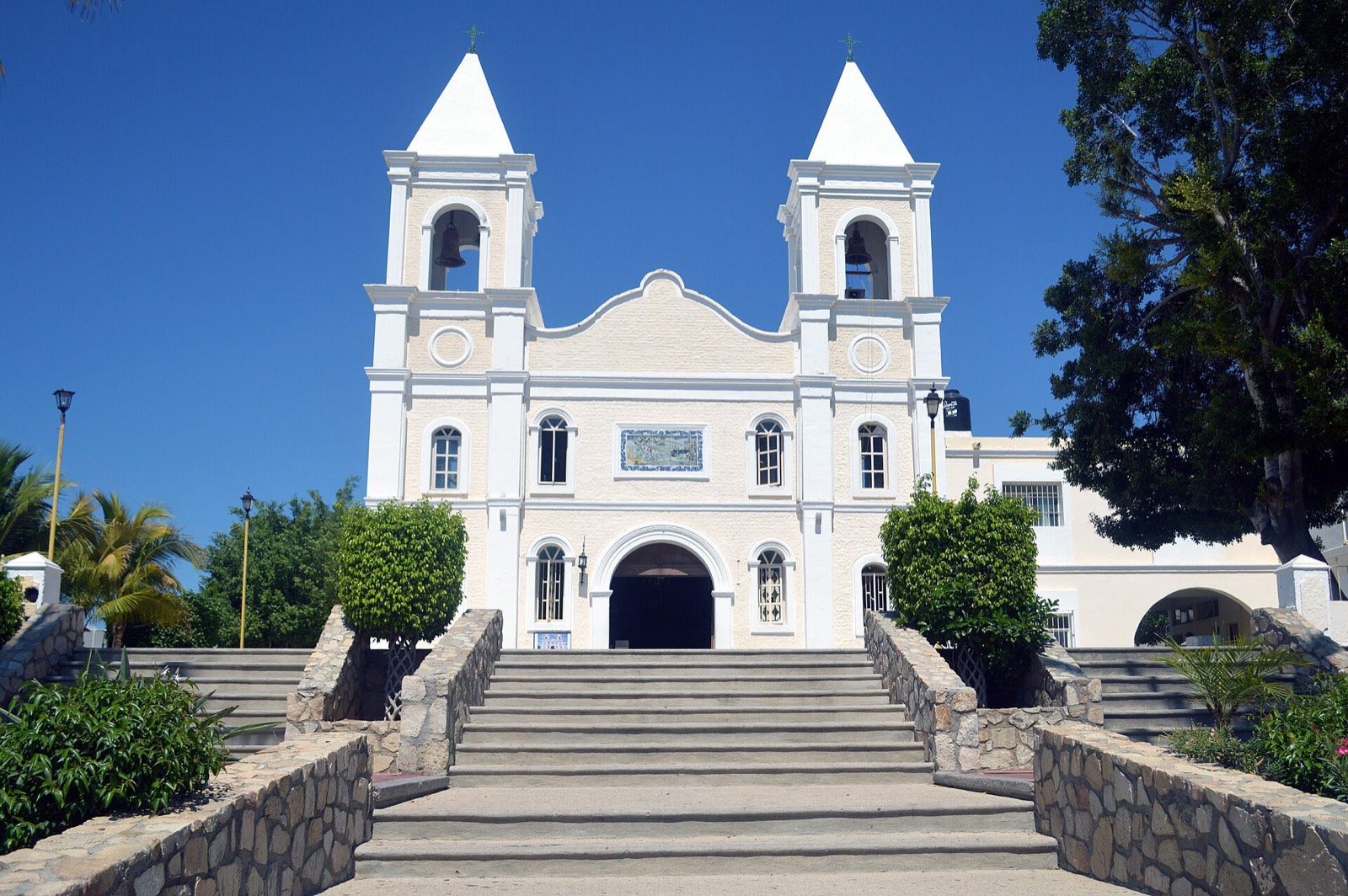
The Thursday Art Walk runs from 5 to 9 p.m., November through June, when the galleries stay open and owners are typically on site. It is free and genuinely walkable. Participating galleries include Galería de Ida Victoria, which shows established contemporary Mexican work, and Galería Los Cabos, which carries local painters and sculptors along with rotating collections from regional artists. If you are still deciding where to base your trip, comparing Cabo San Lucas and San José del Cabo breaks down the tradeoffs clearly before you book.
Todos Santos: Pueblo Mágico
Todos Santos is 60 miles north of Cabo San Lucas along Highway 19, about an hour’s drive. The Mexican government has designated it a Pueblo Mágico, the certification given to towns with documented cultural or historical character. Here the designation holds up: the streets have 19th-century brick buildings painted in earthy ochres and faded reds, a functioning historic theater in the Teatro Márquez de León, and the grounds of the Misión Santa Rosa de las Palmas on the edge of town.
The town has developed a small gallery and restaurant scene without having lost its proportions. Casa Dracula gallery and Galería de Todos Santos represent the kind of contemporary and folk work showing up here. For food, Tequila’s Restaurant and La Esquina are both well-regarded local spots that predate the tourist wave. The Pacific surf at La Pastora beach, a few miles south of the center, is not swimmable, but the coastline is striking: dark sand, blowhole formations at low tide, no services.
The Todos Santos day trip from Cabo covers timing, restaurant specifics, and what makes a second visit worthwhile. A half-day from Cabo San Lucas is feasible; a full day lets you walk the town properly rather than skim it.
Santa Maria and Chileno Coves
If you want reef snorkeling without the Cabo Pulmo drive, two Corridor coves offer the most accessible alternative. Santa Maria Bay is about 12 miles east of Cabo San Lucas (25 minutes along the Corridor) and has a protected outer reef at 10–25 feet depth. Chileno Bay, about 15 miles out, is similar: calm, clear water with a rocky reef accessible from the beach.
Both coves are public access under Mexican federal beach law and both are free. Road cuts from Highway 1 are marked with “acceso libre” signs. Parking is limited and fills early on weekends. Bring your own gear or rent from a Corridor dive shop; the snorkeling is self-guided and easy to navigate. For a breakdown of which Cabo beaches are safe for swimming and which are surf-only, the swimmable beaches in Cabo guide covers the flag system and specific cove notes.
Visibility in both coves typically runs 20–40 feet. Parrotfish, king angelfish, puffer fish, and the occasional green sea turtle are the common sightings. The fish density is nowhere near Cabo Pulmo, but the drive is 90 percent shorter.
Balandra Beach and La Paz
Balandra Beach sits about 15 minutes north of La Paz city center and roughly 2 hours from Cabo San Lucas by car. It is a protected lagoon on the Sea of Cortez with water so shallow and calm you can see the sandy bottom at 6 feet without putting your face in. The landmark is Hongo de Balandra, a mushroom-shaped limestone formation that appears in most photos of the spot. The water itself is the main attraction: it shifts between aquamarine, teal, and near-white depending on depth and angle of light.
Access is through a state-managed entry point with a small fee, typically $3–5 USD. The beach is intentionally undeveloped: no concessions, no umbrella rental. Bring water, shade, and food for the day. Crowds are thinnest on weekday mornings before noon.
La Paz has reasons to visit beyond Balandra. Whale shark season runs October through April in the bay; sea lion snorkel tours at Espíritu Santo Island operate year-round. The La Paz day trip from Cabo covers whether the drive is worth adding to your itinerary, how to time the whale shark window, and where to eat before heading back south.
Fitting the Los Cabos Attractions Into Your Trip
The range here means a short visit requires real choices. Four to five days covers Cabo San Lucas town (El Arco, Médano, the marina), San José del Cabo’s art district, and one Corridor snorkel day, with time to slow down. Add Todos Santos as a full day trip. A week is the floor for fitting Cabo Pulmo in without rushing the drive and the park. How many days you need in Los Cabos lays out the math by trip type, from a long weekend to a ten-day itinerary.
Los Cabos International Airport (SJD) is in San José del Cabo, about 30 minutes from the town center and 45–50 minutes from the Cabo San Lucas hotel zone. Book a prepaid airport shuttle or private transfer before you land. There is no reliable Uber service at the arrivals curb.